YouTube's Creator War, Lily Collins' Equity Deal, and Athleta's Purpose Bet: When Brand Authenticity Gets Tested)


📣 This week's edition comes with news of our own: inFocus is expanding into Mexico 🇲🇽, and evolving into a house of three practices, alongside my new partner in this next chapter, Carolina Abulafia. inFocus PR continues as our founding communications practice. inFocus ICON is new, brand advisory for creators and talent. inFocus Creator is new too, creator partnerships and influencer marketing.
This is a massive step towards a new way of cultural storytelling.
Full story on LinkedIn → here.
Now, let's go back to our regular programming.
YouTube Is Paying Creators Millions to Stay Off Netflix. The Creator Economy Changes for Everyone
Why it Matters
YouTube is reportedly paying some of its top creators millions of dollars to stay off Netflix. Not to create more content. Not to build new formats. Just to not leave.
And retention strategies only exist when the threat of departure is real.
Netflix has been quietly signing YouTube's biggest names, including Nick DiGiovanni, the Stokes Twins, Salish and Jordan Matter, sometimes releasing their new Netflix shows on the same day those creators post content on YouTube. YouTube's response is deals ranging from low seven figures to $10 million, with a penalty clause.
Simultaneously, YouTube changed how it counts views, moving from engaged views to total views, which could inflate public view counts by up to 30%. And it doubled the Partner Program thresholds, requiring 8,000 qualified watch hours for new creators to monetize.
For brand and communications teams, this is the moment to pay attention. Because the infrastructure you've been building your influencer strategies on just got significantly less stable. And most brands haven't noticed yet.

Food for Thought
The creator economy is sold as these people built their audiences organically, they know their community, and their endorsement carries genuine weight.
So for communications and brand teams, the practical question is sharper than it looks: are you building partnerships with people and their community or with platform positions? Because the platform is moving. And when it does, the creator's value proposition, reach, exclusivity, and authenticity, moves with it.
The same question applies to the individual creator navigating this moment. When YouTube is paying you to stay and Netflix is paying you to leave, you are no longer just a content creator. You are a media asset making a career-defining business decision. And the brands attached to you are making one too, whether they know it or not.
The instability inside the creator economy right now isn't a temporary platform dispute. It's a structural indication. The brands and creators who treat it as such, building partnerships rooted in identity and community rather than platform dependency, will be the ones standing when the next policy change drops.
Conviction Should Cost Something: What the IM8 + Lilly Collins Equity Model Teaches Brand Strategists
Why it Matters
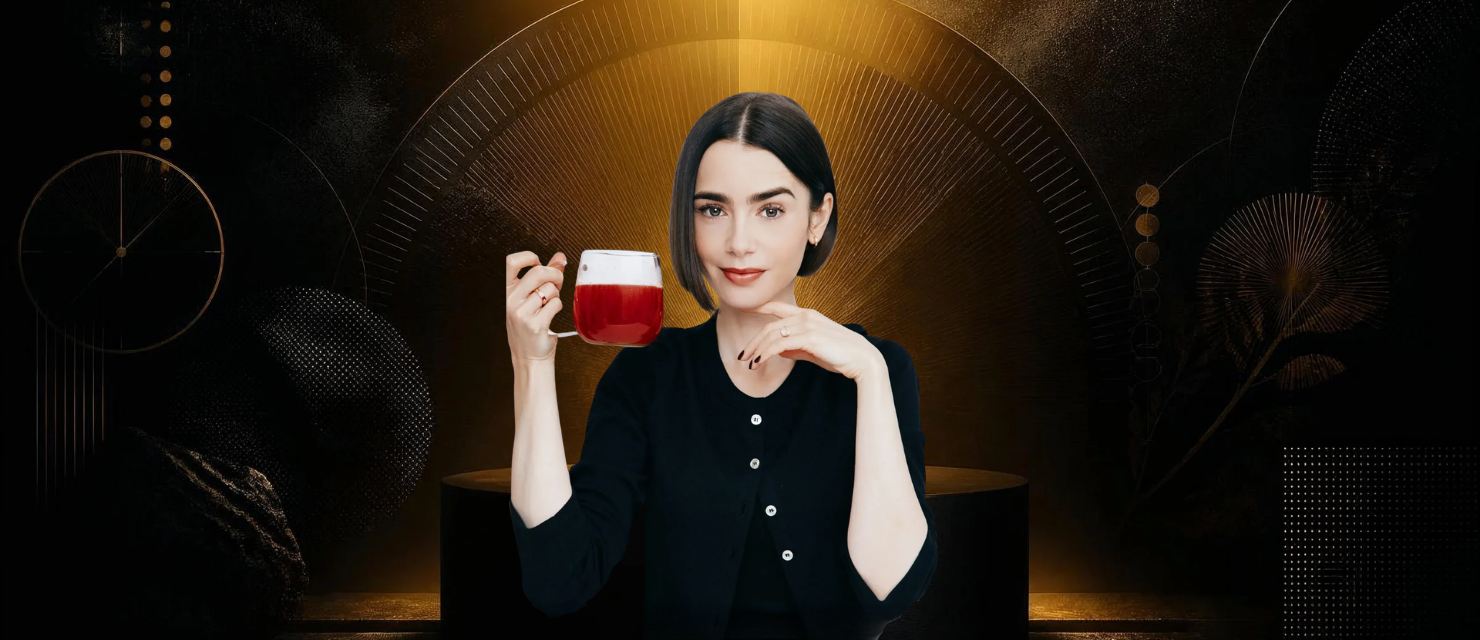
Lily Collins didn't sign an endorsement deal with IM8. She became a shareholder. HA! Brava. 👏
That distinction is the entire story. Period. You know why? Let me recap…Collins started taking IM8's daily supplement sachet in late 2025 after her physician recommended it during filming. No contract. No campaign. No call sheet. Months later, IM8 approached her. And when the partnership was announced, the CEO said something worth reading twice: "Conviction should cost something."
That’s a vision.
Every ambassador on IM8's roster, David Beckham, Giannis Antetokounmpo, Aryna Sabalenka, Ollie Bearman, Jay Shetty, and now Collins, takes equity in Prenetics as part of the deal. Not a fee. Equity. The financial upside is tied directly to whether the brand actually works.
This is a fundamentally different model from the traditional celebrity endorsement. And for us, it changes almost everything about how the partnership is structured, communicated, and sustained.
Food for Thought
The traditional celebrity endorsement is built on access and association. The equity model is built on alignment. And alignment, when it's real, communicates differently than access does.
That distinction is not lost on audiences in 2026 who have spent years developing a sophisticated immune response to paid promotion.
The IM8 model also solves a structural problem that has plagued celebrity partnerships since the creator economy scaled: misaligned incentives. A celebrity paid a flat fee to endorse a product has every reason to take the money and move on. A celebrity who owns equity in the company has every reason to make the brand succeed. The promotional behavior that follows is fundamentally different.
But….even the most structurally aligned partnership can read as engineered the moment the audience senses the architecture behind it. The risk of the equity model isn't inauthenticity. It's over-explanation. The moment a brand leads with "she's a shareholder" instead of letting the conviction speak for itself, the transaction is visible again.
The communication challenge isn't proving the alignment is real. It's trusting that real alignment shows without being announced.
Quote of the Week
"You'll never do a whole lot unless you're brave enough to try."
— Dolly Parton
Athleta Launched a Beautiful Campaign With The Question What's Underneath It.
Why it Matters
Athleta is rethinking what brand success means to them in light of some financial hiccups.
Their answer is a fall campaign called "My World. My Rules." Shot on location in Iceland, cinematic ads, a social-first marketing push, and a sponsorship of Olivia Rodrigo's first Daisy Chain Fields Festival.
A struggling brand. A cinematic campaign. A cultural partnership. A declaration of purpose. It's a clean point of view. And I like that. The activewear category has surely seen this approach before. But the question worth asking is how authentic this is for Athleta. Is this a genuine brand evolution or the aesthetic language of purpose without the substance to back it up?

Food for Thought
Purpose-led brand narratives are the most powerful tool in brand communications and the most misused. The difference between a brand that earns the "purpose-led" label and one that merely claims it comes down to one thing: whether the purpose preceded the crisis or was invented by it.
Athleta has a genuine foundation to build from. But urgency has a way of making authentic purpose look manufactured. And manufactured purpose look desperate.
For communicators, the Athleta situation is a reminder that a brand narrative refresh only works when the narrative catches up to a reality that already exists. You cannot storytell your way out of a relevance problem. But if the product and the purpose are genuinely aligned, the right narrative can make that visible to an audience that's been waiting to be convinced.
The Iceland shoot is beautiful. The question is what's underneath it.
Other Facts this week
🙏 Read why two weeks of back-to-back brand apologies might not actually be moving the needle with consumers.
📈 Check how tested, platform-native tactics are actually driving follower growth on Instagram in 2026 — not just engagement hacks.
🎬 See what Netflix's 2026 Upfront in Mexico reveals about where AI-powered advertising and measurement tools are headed.
🏆 Worth a look — Eli Lilly, Amazon, and Mastercard top Forbe's Most Innovative Large Companies list, and the reasons why say a lot about where brand leadership is going.
⚠️Quick takeaway — the Hayden Panettiere backlash shows that reactive damage control rarely works once a brand crisis has already gone viral.