The Feeling That It Could Only Have Been Made This Way: What 2026 Is Teaching the Entertainment Industry

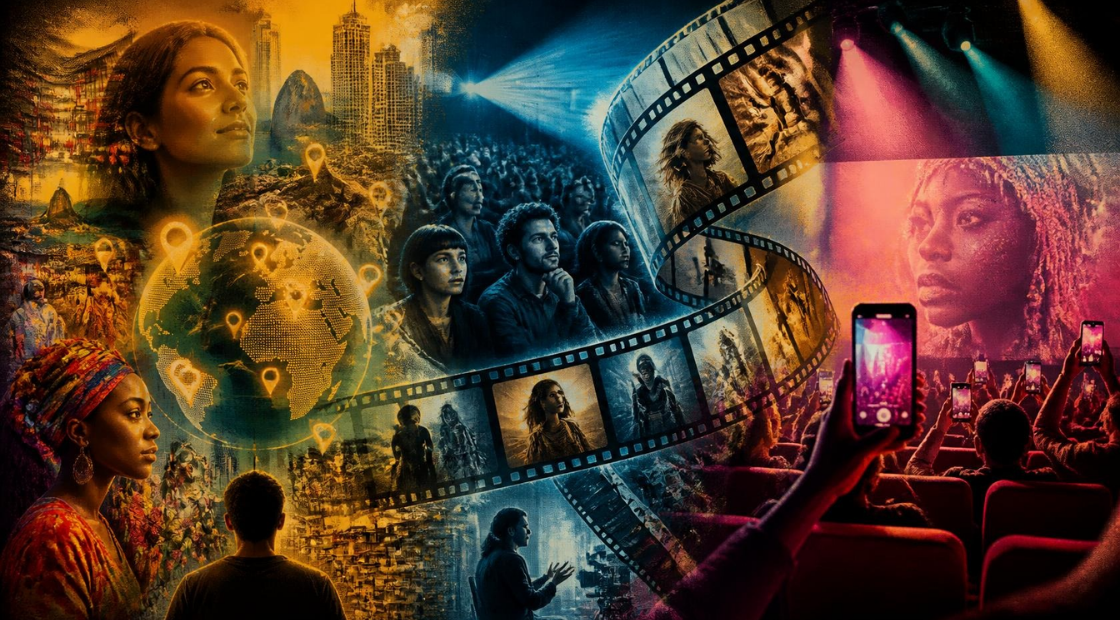
Why Winning the Next Generation Is About Betting on Stories That Feel Like Somewhere Real
Why it Matters
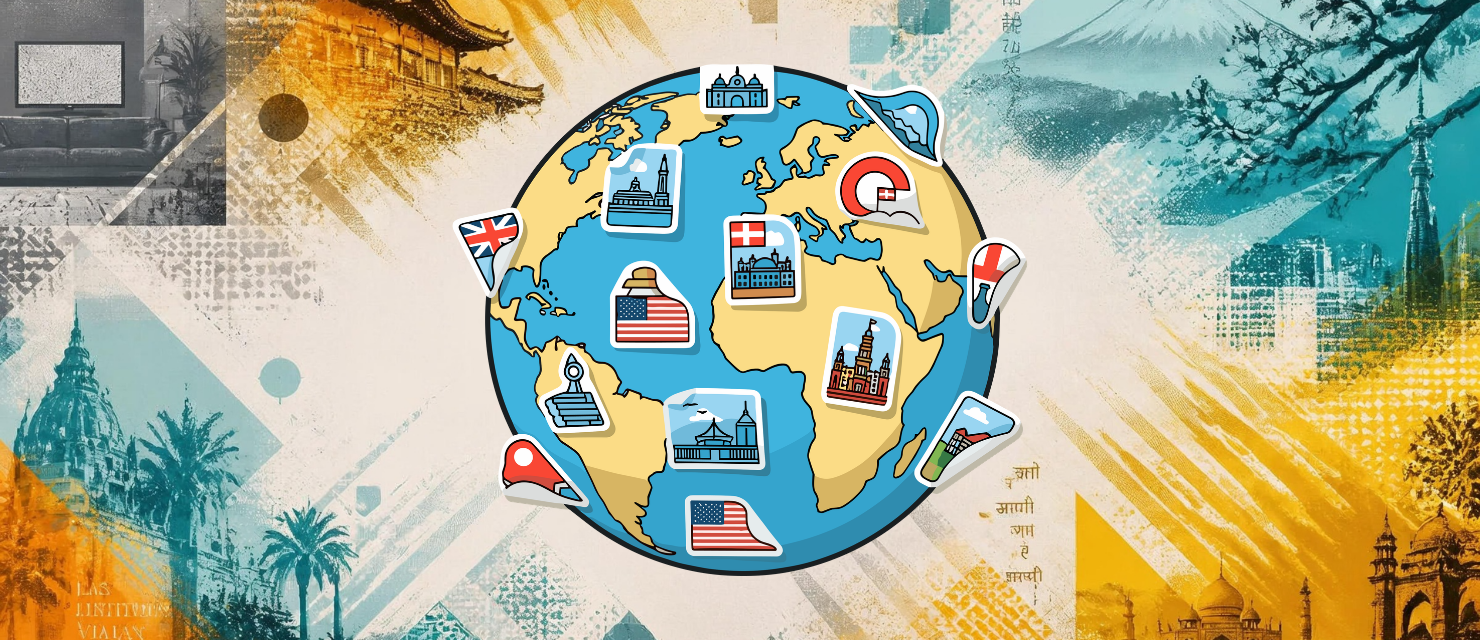
Two-thirds of the series catalog on both Netflix and Prime Video is now international content. Not as a niche offering. As what both platforms are now built on.
And the most important data point sitting inside that number isn't about market share or catalog volume. It's this: audiences for international content skew younger. Significantly younger.
And this is important, because it means the next generation of customers isn't being won by familiar, domestically produced comfort content. It's being won by stories that come from somewhere specific. Japan. South Korea. Spain. India. Stories that don't apologize for where they come from.
Food for Thought
The K-drama wave didn't happen because platforms made Korean content more accessible. The Spanish-language explosion didn't happen because creators softened the cultural edges. All of it traveled because it was deeply, unapologetically itself.
Young audiences aren't looking for content that feels like everywhere. They're looking for content that feels like somewhere real. Cultural specificity isn't the barrier to international relevance. It's the engine of it.
This is the shift worth looking at for anyone creating, commissioning, or communicating content across borders. Because this is telling you something fundamental about where culture is actually heading.
The goal was never to make a Korean story feel American. The goal was always to let it be so completely Korean that the emotional truth inside it could travel anywhere.
Cultural specificity isn't the cost of international content. It's the product.
Cultural Specificity Is The New Commercial Logic of the Entertainment Industry
Why it Matters
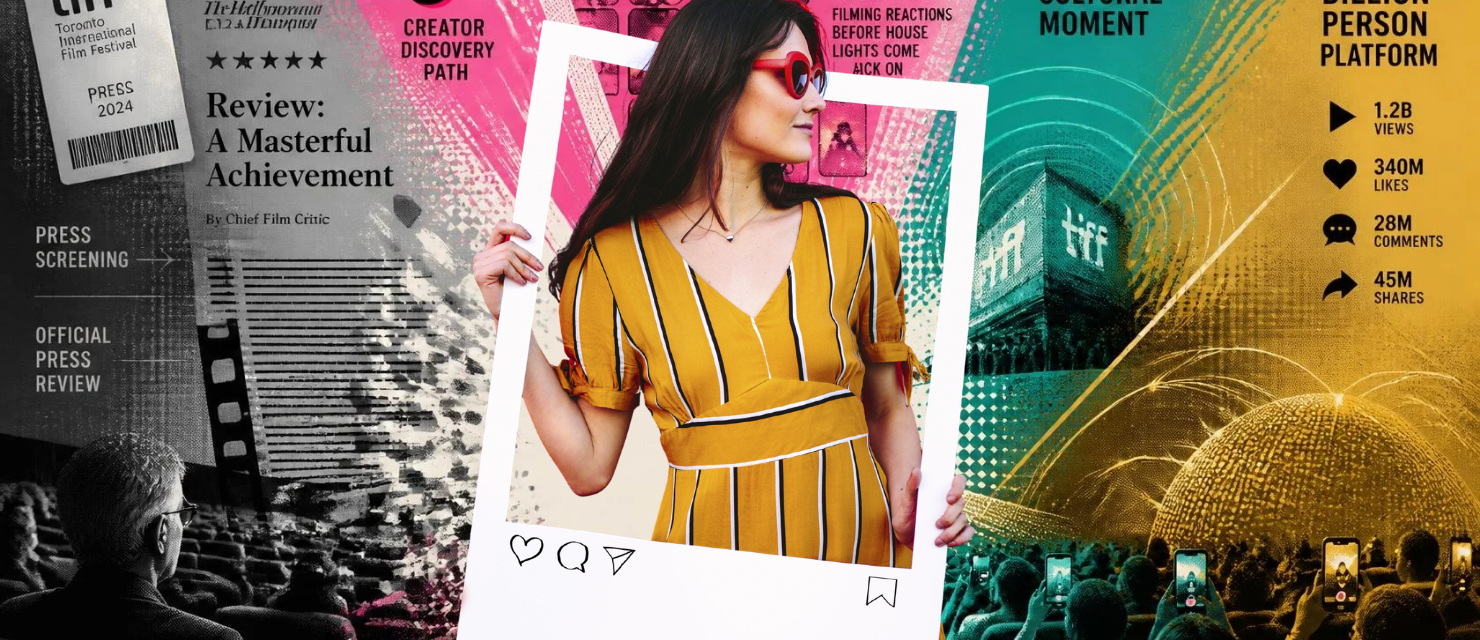
TIFF just launched its first official film market, and the market is hunting for one specific thing: the next Obsession.
That title matters. Obsession wasn't a franchise property. It wasn't a star vehicle. It was a specific, original horror film that found a Gen Z audience that showed up for it with a ferocity the industry didn't predict. The most important hook for a project seems no longer to be a big name star or a piece of IP. It's originality. Deprioritizing the safe commercial logic that has governed acquisitions for decades.
The signal is consistent across every data point: specificity is winning.
Food for Thought
As one agent put it, it's the independent world where the types of creative risks are being taken that are likely to pay off. That's not a romantic statement about indie filmmaking. It's a market observation. The commercially safe, broadly targeted, IP-dependent model is producing poor returns at the box office and on streaming simultaneously.
The Gen Z audience unlocking this moment isn't looking for familiar. They're looking for real. The same instinct that drives them to K-dramas and Spanish-language series on streaming platforms is the same instinct driving them into theaters for an original horror film nobody predicted. The through-line isn't genre or format or language. It's the feeling that the story came from somewhere genuine. About something genuine.
This leaves me with something. This moment is worth paying attention to beyond the announcements or festivals. Because storytelling seems to no longer be going toward stories that feel like they couldn't have been made any other way, by anyone else, in any other place.
Cultural specificity isn't a positioning strategy. It's becoming the commercial logic of the industry and audiences.
TikTok @ TIFF. The Festival Moment No Longer Travels Through Critics
Why it Matters
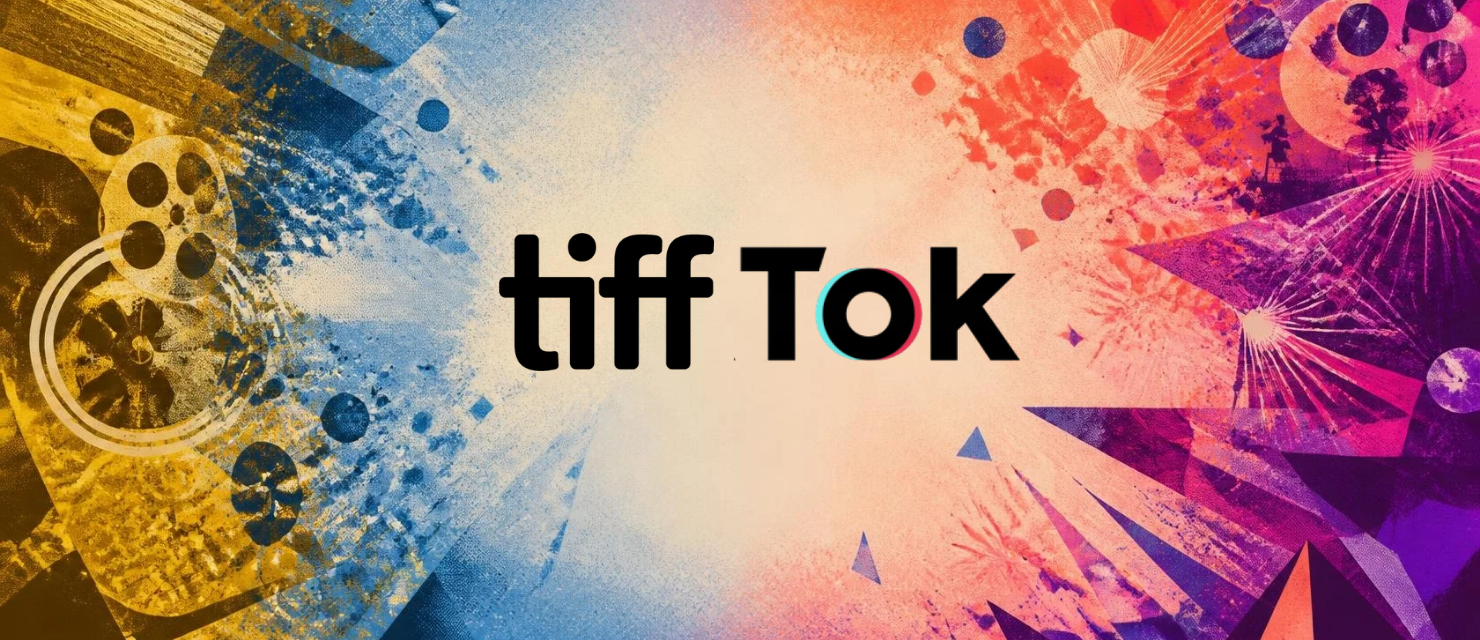
TikTok is returning as the official platform partner for the 2026 Toronto International Film Festival, bringing 30 #FilmTok creators to host premiere screenings and co-host Q&A sessions. The largest contingent TikTok has ever brought to TIFF.
TIFF is where the film industry comes together to discover what's next, and TikTok is where a global community of over a billion people discovers new stories.
And for me this is a statement on how film discovery actually works for audiences today. It's a structural acknowledgment that the path from festival premiere to cultural moment now runs through creators, not critics.
Food for Thought
There is a specific and important communications lesson sitting inside this partnership that goes beyond the obvious "TikTok is important for film promotion" observation.
It seems to me that TikTok has become so structurally embedded in how film culture travels from festivals to audiences that its absence created a gap the industry felt.
For communicators designing festival campaigns, the TikTok TIFF model is worth studying. Thirty creators hosting screenings and Q&As isn't supplemental coverage of the festival. It's a parallel programming track running alongside the official program, generating content for a billion-person platform while the traditional press generates content for a fraction of that reach.
The festival moment used to travel through reviews. Now it travels through the people sitting in the same seats as the critics, filming their reaction before the house lights come back on.
Other Facts this week
📸 Check how Snapchat's head of creator partnerships breaks down what actually makes influencer campaigns work — straight from the source.
🌯 Steal this: Chipotle handed 100 creators the keys to 50 real kitchens, and the stunt is a masterclass in letting go of brand control.
🎾 Read why an umpire stopping a US Open influencer photoshoot mid-match says everything about where creator culture and live sports are colliding.
👗 Worth a look, Duolingo launched a fashion line for brand names people butcher, and it's one of the cleverest brand extensions in recent memory.
🎬 See what Kevin Hart's Hartbeat moving its vertical content to aTwist reveals about where short-form creator studios are headed next.