When the Campaign Is the Content: Hollywood Budgets, AI Talent Deals, and the GEO Gap No One Is Measuring

PR Campaigns Don’t Follow the Content Anymore
Why it Matters
Hollywood’s content budget is not disappearing. It is reorganizing around a different logic.
Sports rights are consuming the premium tier. The NBA, NFL and event UFC. Netflix remains the only streamer meaningfully growing its scripted investment. Everyone else is holding flat or contracting.
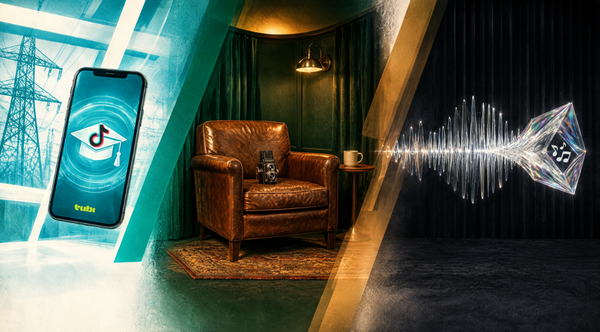
What fills the gap left by mid-budget scripted drama is not a vacuum. It is the creator economy, and studios are not treating it as a cheaper substitute. Fox is restructuring around Tubi and influencer-led content for example. Creator-led formats are being treated as both talent development pipelines and primary distribution channels simultaneously.

Food for Thought
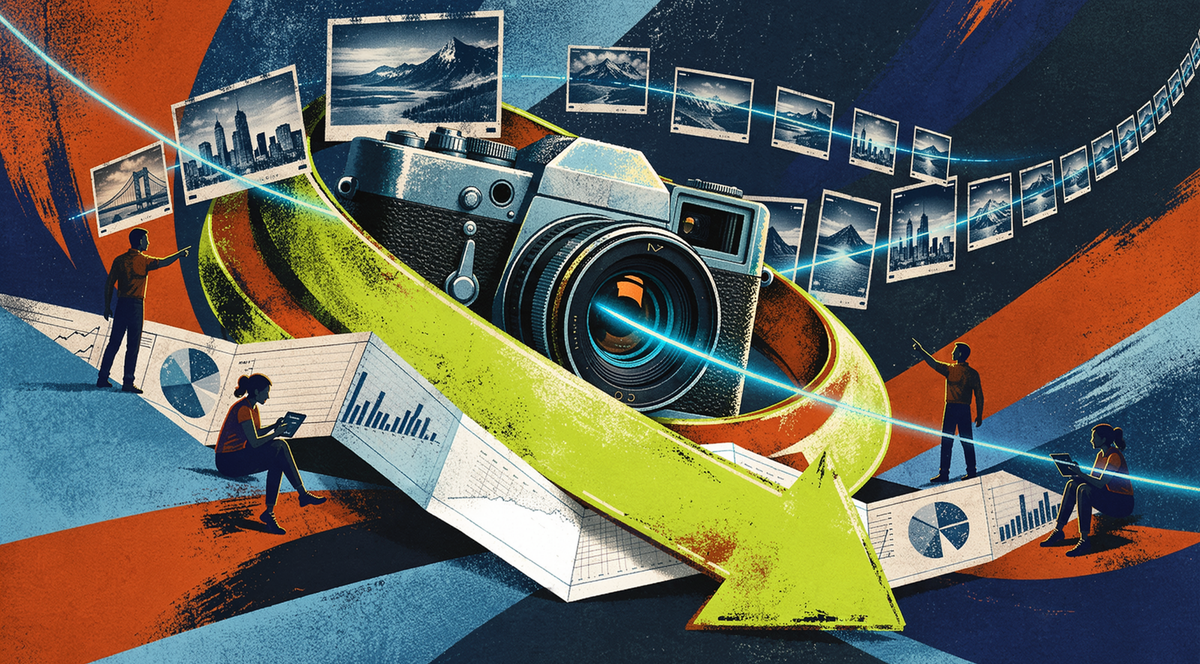
The PR profession was built around the production cycle of scripted television. A greenlight, a casting announcement, a trailer drop, a premiere, a review cycle. The campaign follows the content. That architecture needs good re-thinking, and sports is also another proof of why. Live sports does not follow a campaign arc. It generates one continuously, through the season, the trade, the injury, the playoff run, the postgame clip that becomes the story. The communications work is never finished because the content never stops.
And when it comes to creator-led content, this does not have a premiere date. It has a community. It does not build toward a launch. It compounds through ongoing engagement, platform algorithms, and direct audience relationships. The campaign is not separate from the content. The campaign is the content.
So, for publicists the structural shift in how studios are spending is also a brief on how PR strategy needs to reorganize. The skills that served a prestige drama rollout do not automatically transfer to a creator partnership, a live sports property, or a franchise that lives primarily on social platforms between seasons.
The uncomfortable question is not whether the industry is changing. It is whether the PR toolbox is keeping pace with where the budgets are actually going.
AI Vaults Reengineer Talent Deals: The Shoot Is No Longer the Campaign
Why it Matters
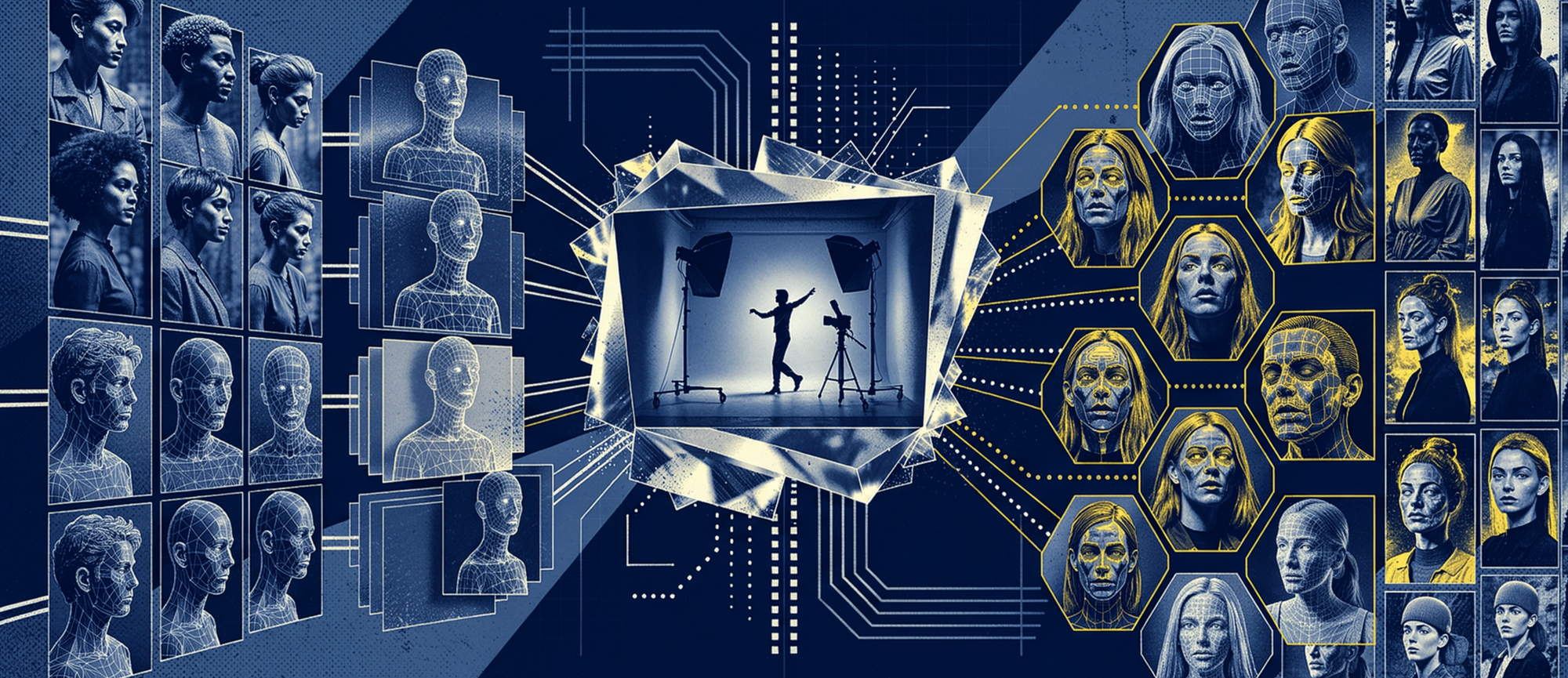
CAA and Ogilvy built a system called Echo. It connects Ogilvy’s production tools to The Vault, a scanning facility CAA developed with Veritone that uses 204 cameras to capture a talent’s voice, facial expressions, body language, and gait. One approved shoot produces 30 to 50 assets. Talent owns the digital likeness, approves every execution before it goes live, and every asset carries a visible watermark identifying it as AI-generated and talent-approved.
The system is already proven at scale: AI-generated José Mourinho campaigns ran for Coca-Cola and Snickers.
So what does this mean for celeb and influencers marketing?
Food for Thought
The celebrity campaign was built around scarcity. One shoot, one window, one set of assets, one moment in market. The entire production logic, and the communications strategy layered on top of it, was organized around making the most of a single creative session before the talent moved on.
Now, it seems like the creative relationship does not end when the shoot wraps.
And this structural change in how brand-talent partnerships are planned, pitched, and sustained. The brief is no longer “how do we make the most of this shoot.” It is “how do we manage an ongoing creative relationship with a likeness that never needs to be rebooked.”
That is a different kind of strategy. It requires a different kind of planning, a different conversation with talent and their representatives, and a different way of thinking about what a campaign even is. The tools changed. The question is whether our approach has.
GEO and The Coverage Number You’re Not Tracking
Why it Matters
OpenAI is testing a Business Hub that lets brands claim their presence in ChatGPT and access a dashboard showing daily impressions and clicks. The feature was spotted but no launch date has been announced.
What the dashboard shows: how often a brand appears in ChatGPT answers, and how many clicks those appearances send to its site. What it does not show: the prompts driving those appearances, user data, or how a brand ranks against competitors.
So, why would we care? Because how many times did you say GEO in the last month? Probably, not enough.

Food for Thought
Traditional PR measures success in earned media. Placements, reach, sentiment. The logic is straightforward: appear in the right publications, in front of the right audience, with the right message.
ChatGPT impressions are earned visibility in a different channel, and increasingly the channel where audiences go first for recommendations, comparisons, and decisions. If a brand appears 185,000 times in ChatGPT answers in a month, that is a coverage number. It is just not one that shows up in a media report.
The Business Hub makes that number visible for the first time with first-party data from the platform itself. What it also makes visible is the gap. Communications teams without a GEO strategy are not absent from ChatGPT. They are present but unmanaged. Their brand is being described, recommended, and sometimes dismissed in millions of conversations they have no line of sight into and no strategy to influence.
The dashboard does not close that gap. It just makes it harder to ignore.
Other Facts this week
🎬 Check how Netflix built around the idea that the best discoveries are the ones you didn't go looking for.
💌 Read why Warner Bros. is bringing back You've Got Mail, decades after AOL made email feel romantic.
🌎 Worth a look: SVOD platforms now carry 51% of all Latin American content available outside the region — and horror is a massively underexploited opening for producers chasing global audiences.