Tubi, Specialty Streaming, and Apple Music: Why Building a System Beats Running a Campaign in 2026

How Tubi and TikTok Turned a Creator Pipeline into a Brand Architecture
Why it Matters
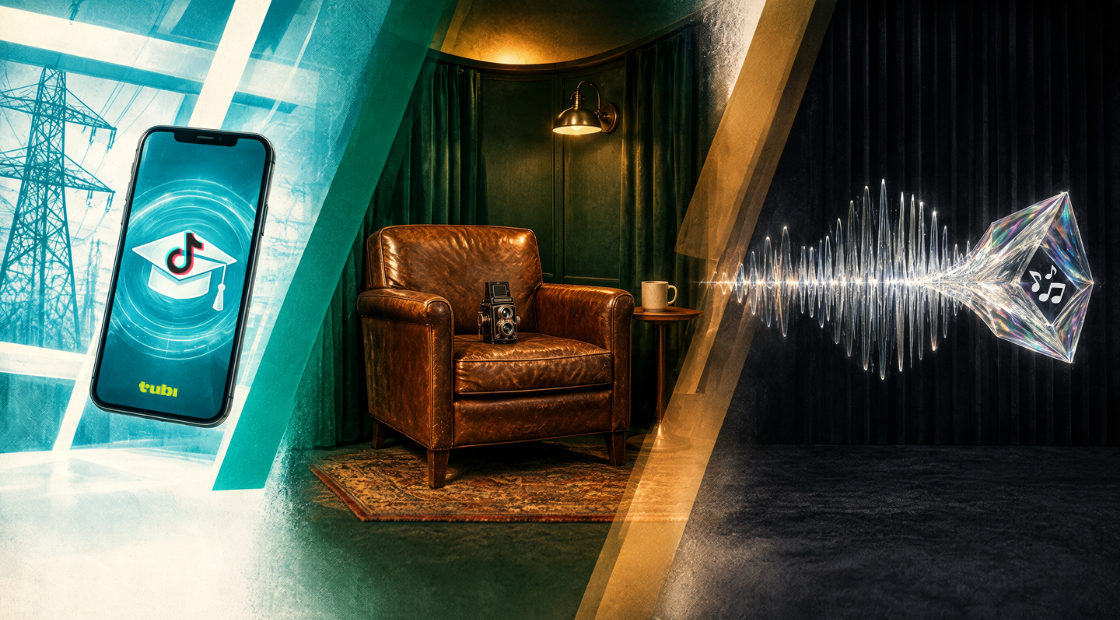
Tubi just announced 10 original series developed by 12 TikTok creators, the first “class” to graduate from the Creatorverse Incubator the Fox-owned streaming platform launched with TikTok back in March. The genres span scripted horror, adult animation, workplace comedy, and dating formats. Tubi is calling it the largest original-programming investment with digital creators in its history.
The surface read is a content announcement, but there is a very real brand architecture story behind it.
Tubi and TikTok did not simply co-produce some shows. They built a named, structured, cohort-based pipeline with an application process, a selection event, and a public announcement of who got in. They gave it a brand: Creatorverse Incubator. They gave it a narrative arc: from discovery on TikTok to original series on a platform with 110 million monthly active users. And they timed the reveal for maximum press exposure.
That is not a content strategy. That is a branding strategy that happens to produce content.
Food for Thought
What Tubi and TikTok built here is a formal mechanism for converting social credibility into streaming legitimacy. That is not something most brands know how to design.
Why? Because each platform gains something precise from the arrangement. TikTok gets to say it develops careers, not just audiences. That is a meaningful shift in how it positions itself to creators who are starting to weigh platform loyalty against long-term professional trajectory. Tubi gets to say it is where creators go when they outgrow the app, which is a positioning claim no legacy streaming service can make without sounding patronizing. Both brands sharpen their identity through the association, and neither one cannibalizes the other.
Those elements transform what could have been a simple licensing deal into something that generates press, repositions participants, and reinforces both platforms’ brand claims simultaneously. The content is almost secondary to the architecture.
The question for brand strategists: how many of your partnerships are deals (one-offs), and how many of them are systems (multiple ROIs of that investment)?
Fandom Affinity Fills the Funnel. Brand Narrative Keeps People In It.
Why it Matters
Specialty streaming is the fastest-growing segment in U.S. subscription video. By every acquisition metric, the niche is winning. The retention numbers tell a different story.
The content is not the problem. These platforms are built around specific fandoms, genres, and communities that audiences actively seek out. Viewers show up. They just don’t stay.
The appetite for specificity is genuine. The loyalty is real in principle. But specialty streamers are not converting fandom affinity into subscriber retention at the rate that their acquisition numbers would predict. But can the gap between those two data points be a brand problem?
Food for Thought
Fandom affinity drives acquisition. But affinity alone does not build the kind of relationship that survives a price increase, a slow content month, or a competing offer from Amazon Channels.
Retention requires something beyond the right content. It requires a brand identity strong enough to give subscribers a reason to stay that is not purely transactional.
So the question this raises is structural. Most specialty streamers invest heavily in content marketing and almost nothing in brand narrative. They promote what is on. They rarely articulate why their platform exists for a specific kind of person. That distinction matters more than it did when the category was smaller and the competition for fandom attention was less crowded.
For anyone building an audience-first brand, the real distinction is this: are you marketing content, or are you building belonging?
Apple Music Let Sound Design Its Own Visual Identity. That Is a Different Kind of Authenticity Argument.
Why it Matters
Apple Music just rebranded, and the most interesting thing about it is the new logo.
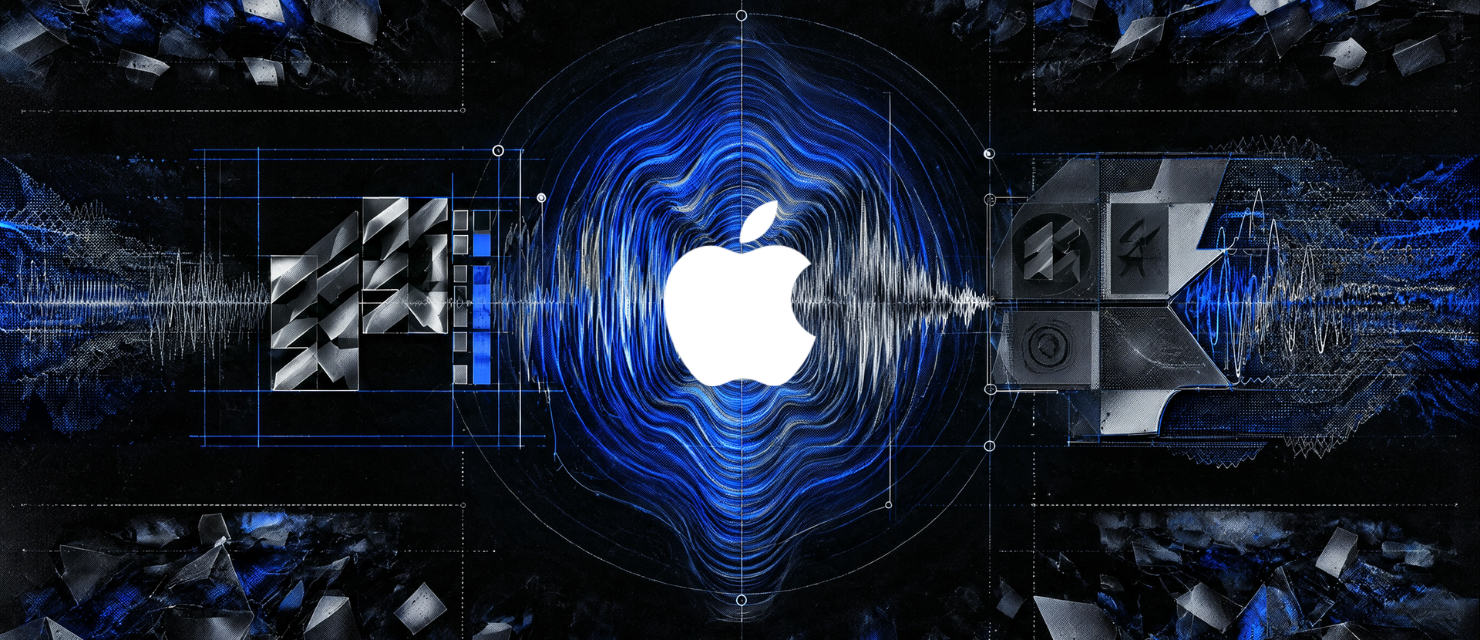
The identity, built around the phrase “made by sound,” was generated through a process that is almost literal: Apple played music through a transducer set in a shallow bath of mineral oil, filmed the ripples and waves the sound produced, and used that footage to shape the visual language of the rebrand. The aesthetic came from the subject matter. Sound made the look.
The result is a wordmark and visual system that carries its own origin story inside it. The behind-the-scenes film Apple released shows the process from audio signal to finished design. The claim and the evidence are the same thing.
This matters because it represents a fundamentally different approach to brand authenticity than what most campaigns attempt. The standard move is to build a finished identity and then construct a narrative that explains why it feels true to the brand. Apple Music reversed the order. The brief was not to design something that felt musical. It was to let music generate its own visual form. The authenticity is embedded in itself.
Food for Thought
There is a meaningful difference between a brand that looks like what it claims to be and a brand that demonstrably is what it claims to be. Most authenticity arguments in brand communications live in the first category. They are well-crafted narratives about values, heritage, or craft. They are convincing. But they are still arguments.
What Apple Music built is harder to argue with because the process is the proof. You cannot call the visual identity generic when you can show the mineral oil ripples that produced it. The rebrand preempts criticism by making the production method the story. That is a communications move as much as a creative one.
The moral of the story is this: when you are building a brand identity, the real question is whether you are designing something that represents your subject, or finding a method that lets your subject represent itself. The second approach is rarer, harder to execute, and significantly more difficult to attack. But it is far more authentic when what you need to show is who you are and what you stand for visually.
With Apple Music, the visual, without the narrative, still makes the argument on its own.
Other Facts this week
🌟 See how LA28 is building its brand before the world shows up — a new slogan, “Stars Align,” and a campaign film soundtracked by Red Hot Chili Peppers.
🎃 Study Fanta’s long game for owning Halloween the way Coca-Cola owns Christmas — original characters, creators, and a nearly decade-long, brick-by-brick brand build.
🎮 Unpack Domino’s Minecraft play — in-game rewards, collectible boxes, and the game’s first co-branded pet. The activation is the headline; the first-party data strategy underneath it is the real story.