YouTube Bets on Anchors, Audio Loses Its Boundaries, and Neutrogena Lost the Story


Jorge Ramos, Don Lemon, and YouTube's Upmarket Bet: Trust Travels With the Person, Not the Network
Why it Matters
YouTube just doubled the bar to enter its Partner Program. The instinct is to read this as YouTube shutting the door on small creators. But what if the more interesting read is that YouTube is deliberately awarding news channels? Far fetched?
Maybe not.
YouTube just announced the largest shift in its monetization policy in nearly a decade. The instinct is to read this as YouTube shutting the door on small creators. The more accurate read is different: YouTube is moving upmarket. How?
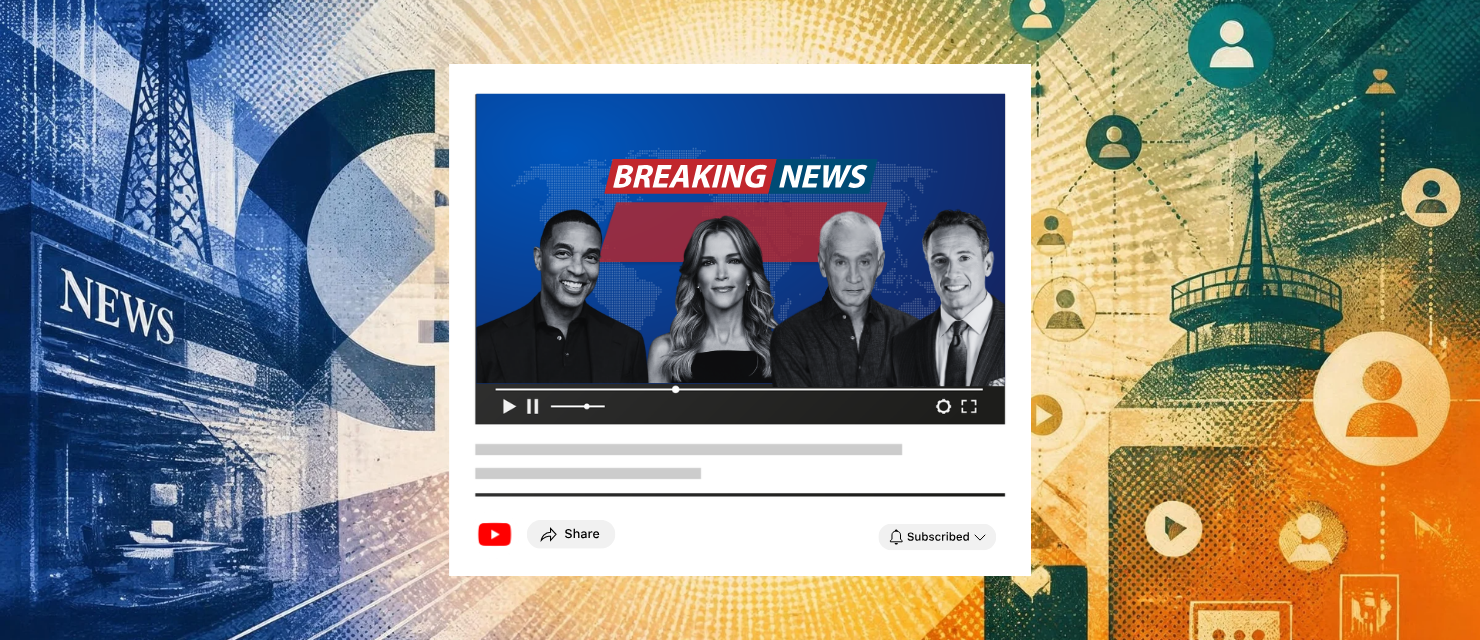
This is the same platform that partnered with Alex Cooper, struck a deal with Peacock, and is now actively courting journalists who have fled legacy newsrooms. It's an incentive realignment designed to attract fewer AI hobbyists and more professionalized, brand-name talent with established track records. The Casey Newtons. The Don Lemons. The Jorge Ramos.
More than 75 percent of people now watch news via online sources like YouTube. For the first time since Reuters started tracking this, more people watch online news videos than tune into broadcast or cable news. Voters now receive about as much news from YouTube as from traditional TV.
So the platform isn't chasing creators anymore. It's chasing anchors, who understand that the optimal strategy for news creators is no longer chasing advertising CPMs. It's generating content that aligns with YouTube's subscription ambitions. Premium. Reliable. Trusted.
Food for Thought
Look at Jorge Ramos. For decades, the most trusted voice in U.S. Spanish-language news was anchored to Univision's linear broadcast infrastructure. A year after launching Tres Alebrijes and moving his journalism to independent digital platforms, he generated 101 million views across YouTube, Instagram, Facebook, and TikTok, and received two Emmy nominations and winning one of them in the show's first year of eligibility. The credibility didn't stay at Univision when he left. It traveled with him.
That's exactly the dynamic YouTube's monetization shift is designed to reward and accelerate. By raising the bar, YouTube is engineering its platform around people whose authority travels with them regardless of which logo sits behind their desk. And for PR and communications strategists working in media, this reframes a couple of things.
Institutional affiliation used to be the primary trust signal. The network validated the anchor. Increasingly, the reverse is true. And the platforms that understand this are building promotional models around it.
The question for every brand and communications team working in news media is the same one YouTube is quietly answering with this policy: are you building around the institution or around the person inside it? Because the people are moving. And they're taking the audience with them.
Why Audio's Convergence Is Redefining the Music PR Playbook
Why it Matters
I was reading Forbes on the state of audiobooks and podcasts and it made me think. The boundary between a podcast and an audiobook has effectively dissolved. And brand houses like Amazon and Spotify are in an all-out war to own every inch of the audio landscape simultaneously.
And this is where it gets genuinely complicated for marketing and publicity teams.
For decades, the audio publicity playbook was relatively clean. A book came out and the author went on podcasts. A podcast launched and the host did press. An album dropped and the artist did interviews. A concert tour was announced and the promoter handled media. Four distinct categories. Four distinct promotional infrastructures.
That separation is gone.
The publicity challenge this creates is structurally similar to what television faced when streaming arrived. The old playbook assumed clear categories. One platform, one audience, one release window, one set of journalists to call. The new reality requires a campaign architecture that can speak fluently across entertainment trades, book media, podcast culture newsletters, content creators, music press, and live event coverage simultaneously, without letting the promotional tracks cross-contaminate one another.
The underlying premise here is that the audio realm has finally assimilated with the visual art forms' promotional architectures. Regardless of category, the focus is now on creating environments of resonance. The question is whether the publicity infrastructure can actually pull that off.
Food for Thought
The audio landscape didn't converge. The audience did. And the promotional infrastructure needs to catch up.
The connective tissue that publicity teams need to understand goes beyond disciplines. It operates more like a map. And the teams that learn to read that map across formats, not just within their lane, will be the ones building campaigns that actually travel.
Because in audio, the listener doesn't care what category their favorite story lives in. They just put in their earbuds and press play. The promotional machinery needs to be built around that single, simple truth.
Quote of the Week
"I’m a work in progress — we all are. I take each day as it comes. I’m doing the work, and I’m doing my best." — Hayden Panettiere
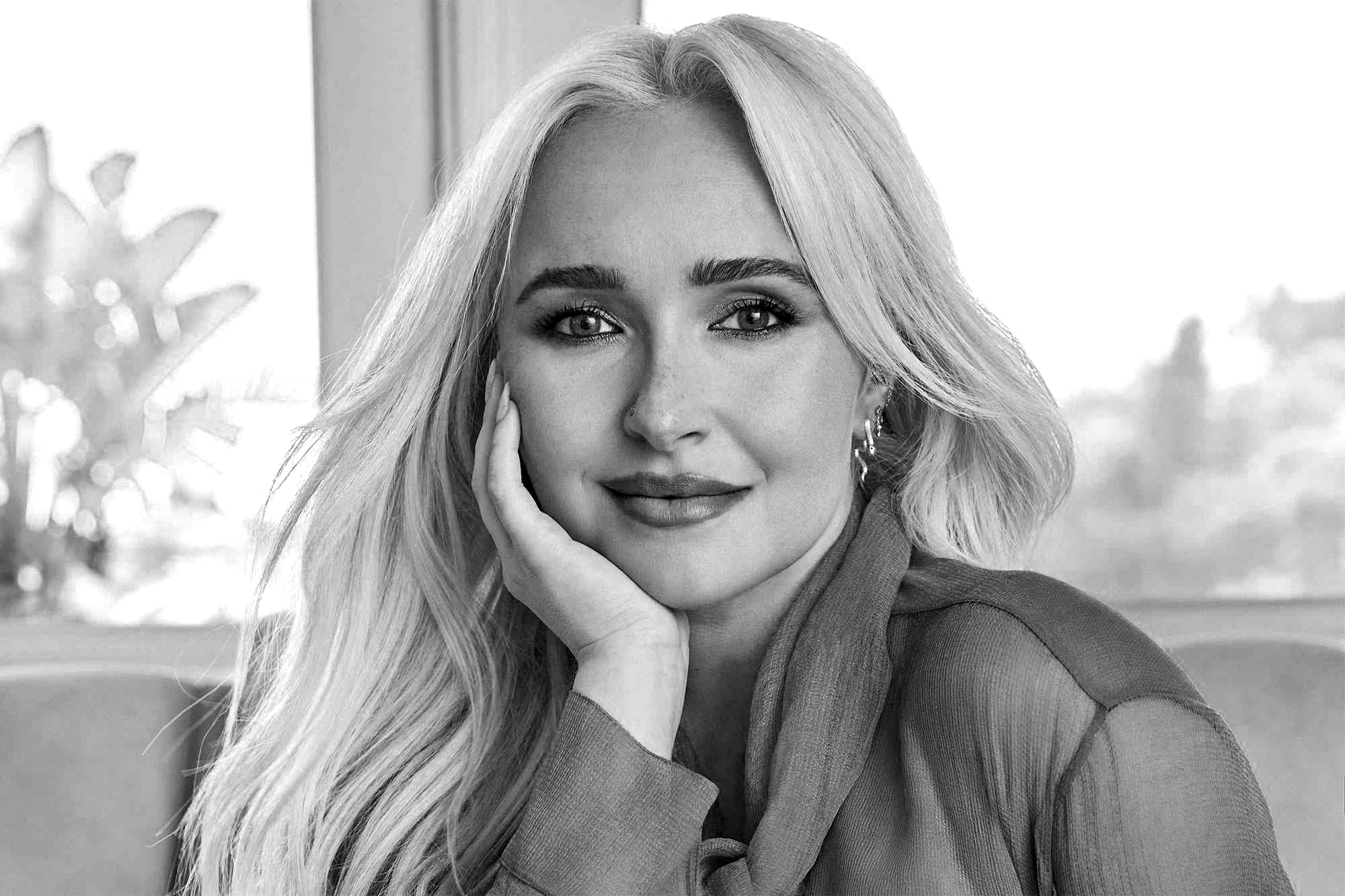
Hayden Panettiere, Neutrogena, and the Crisis That Silence Made Permanent
Why it Matters
I wonder how many times silence can be the story.
Should we ask Neutrogena?
Over 9,000 comments flooded the brand's most recent Instagram post in three days. Stock in parent company Kenvue moved. A boycott is circulating. And the narrative is being written entirely by the public, because Neutrogena has left the room empty.
The crisis playbook Neutrogena appears to be running is quite something. Because there are two distinct crises running simultaneously here, and Neutrogena is mishandling both.
Panettiere alleged in her memoir and on Jay Shetty's podcast that Neutrogena invoked her morality clause after she discussed postpartum depression on live television. They didn't “renew” her. But complete silence followed. Now, when current ambassador Tate McRae went viral for barely using the products she was promoting, Neutrogena responded with a joke in eleven days.
Let’s sit with this for a second.
Food for Thought
For PR and communications strategists, the Neutrogena situation is genuinely puzzling.
The response asymmetry is the real damage, but not the crisis. And the problem is that this silence reads as a values statement. The public is treating it exactly that way.
There is a specific and brutal crisis dynamic now at play. Neutrogena no longer has the option of a joint statement, a reconciliation narrative, or any version of the story that includes Hayden Panettiere's voice. The only account on record is hers. The only silence on record is theirs. That asymmetry and damage is permanent.
This is no longer a moment for a press release, because the silence has curdled into something that only transactional communications can follow. And transactional communications in a grief-fueled crisis will accelerate the damage. They've put themselves in a lose-lose situation.
The deeper lesson for communicators isn't about speed. It's about moral legibility. Audiences in 2026 need to understand what a company believes. And right now, what Neutrogena believes is being written by 9,000 Instagram comments, a declining stock price, and a story with no counter-narrative, because the brand left the room empty.
Silence is never neutral. In a crisis, it's always a statement. Neutrogena just let everyone else write it for them.
Other Facts this week
🏢 See what the rise of creator-led media companies reveals about where the industry is headed: subscription models, niche audiences, and direct monetization are now the blueprint.
🎙️ Read why fake celebrity podcasts are fooling Hollywood, and how scammers are exploiting AI and brand desperation to cash in on phantom deals.
🏈 If you're building a brand, note this: Travis Kelce is now playing matchmaker between companies and athletes, turning his cultural pull into a full NIL brokerage play.