You Can't Engineer This: Scorsese on AI, Tim Payne's Viral Arc, and Why Brands Can't Buy Their Way Into Culture

If Scorsese Can't Be Canceled for This, Nobody Can
Why it Matters
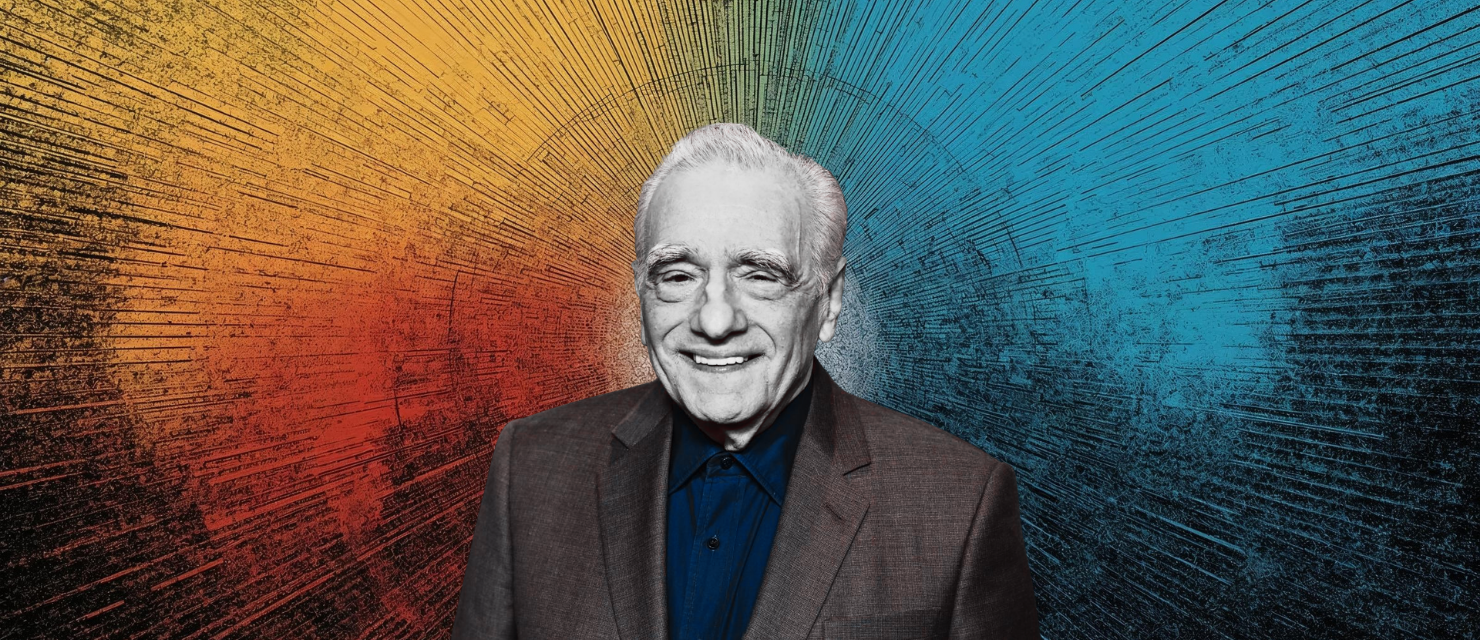
In a world where Hollywood's creative community has gone largely quiet on AI, the announcement that 83-year-old filmmaking titan Martin Scorsese has joined generative AI startup Black Forest Labs as a partner and advisor is genuinely staggering.
And it's staggering because, this is the man who spent the last decade positioning himself as the ultimate guardian of human cinema craft. And now, he is openly embracing the most contested tool in the industry.
To his credit, Scorsese is advancing a narrative few are willing to defend publicly: that generative AI is a creatively freeing communication bridge, a way to transfer the images in his head directly to his crew. The framing is careful and humanizing. But the immediate, blistering response from concept artists, animators, and directors proves that even a lifetime of unmatched cultural capital cannot insulate a legacy brand when it decides to back models built on the uncompensated labor of its own peers.
Food for Thought
When an absolute monument of cinema like Martin Scorsese aligns with a generative AI startup, the power dynamics shift in ways worth examining.
Is it because his legacy exists entirely beyond good and evil? Or is it that he has nothing left to prove, no career left to build, and an institutional status so deeply engraved into art history that he is effectively un-cancelable?
Both questions matter, and I don’t have an answer.
From his perspective, if a tool allows him to iterate faster and preserve his creative energy during the grueling pre-production phase, the ethical anxieties of the internet are secondary to the survival of his vision. A narrative that cannot be de-constructed that easily and, he is betting that the final output, the actual film, will justify the means.
But that forces a genuinely uncomfortable question for PR strategy: if the ultimate gatekeeper of cinematic purity decides that the efficiency of the machine outweighs the tradition of the craft, does the moral argument hold? Or does Hollywood simply continue the narrative stand of putting heads on spikes when it comes to AI, regardless of who is holding the tool?
Tim Payne Didn't Go Viral. The Internet Went Viral for Him
Why it Matters
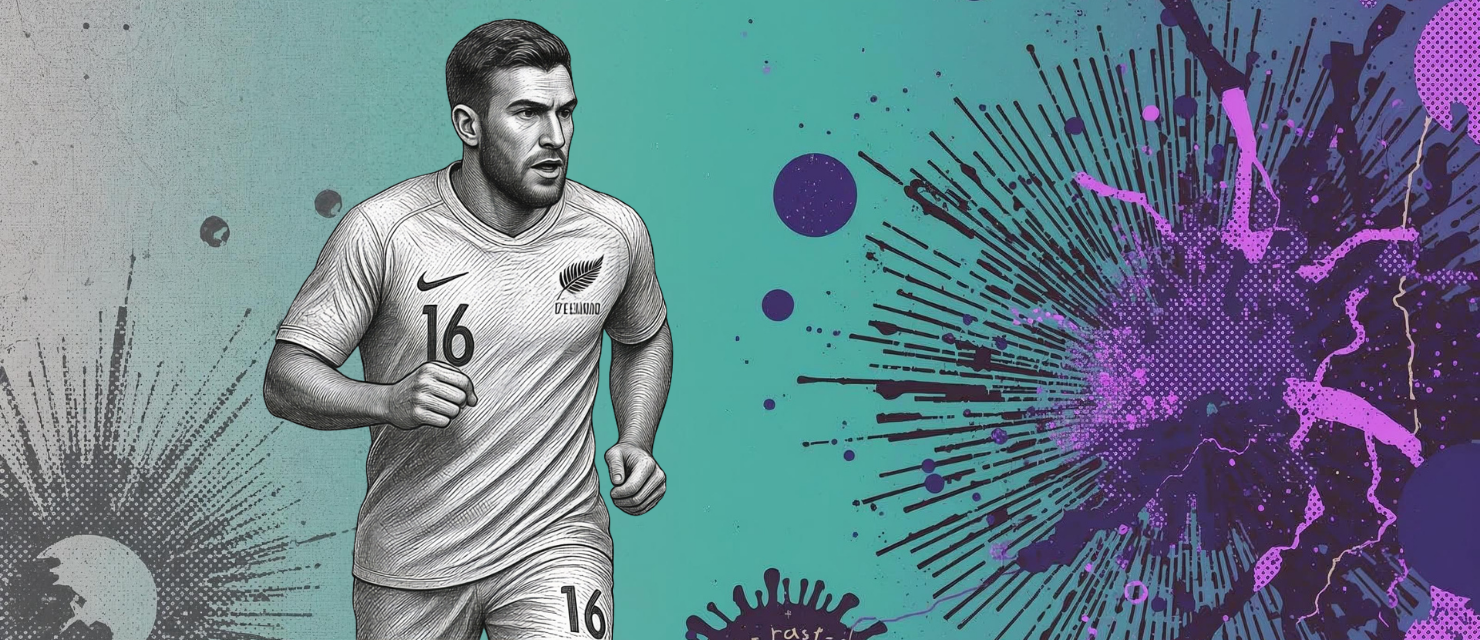
The overnight transformation of 32-year-old New Zealand defender Tim Payne into the viral folk hero of the 2026 World Cup is a definitive case study. Full stop.
It proves something worth sitting with: in-culture resonance can be achieved through engineering or through luck, and it is no longer earned through athletic dominance, prestige marketing, or institutional backing. Relevance has been democratized entirely, driven by borderless internet tribes who answer to no brief and no budget, but to interest.
So, no virality equation whatsoever. But, by orchestrating catchphrases like "No Payne, No Gain" and flooding the internet with AI-generated moments, the digital crowd didn't just support an underdog. They hijacked a multi-billion-dollar global sporting narrative and built a superstar out of thin air.
And here's the part that should matter to anyone working in PR or brand strategy: this wasn't chaos. It was community. A coordinated digital silo that understood one fundamental truth about how internet culture actually works: shared identity creates virality faster than any campaign ever could. Strange as that sounds, it's the most honest description of what just happened.
Food for Thought
If a corporate brand or sports agency sat in a boardroom trying to blueprint the Tim Payne phenomenon, it would fail catastrophically. You cannot line-item plan for algorithmic lightning.
On the surface it looks like a predictable perfect storm: the ultimate unheralded underdog, instantly endearing and grounded, supercharged by the massive narrative gravity of the World Cup. But plenty of likable underdogs play in major tournaments without gaining millions of followers overnight. The true mechanics of this explosion rely on a much deeper, circumstantial digital alchemy that traditional marketing misunderstands.
The real engine was the power of the absolute vacuum. Payne's initial digital footprint was essentially invisible, which gave the internet a blank canvas to co-author a synthetic folklore from scratch. The crowd doesn't want to help someone who is already halfway famous. They want the satisfaction of creating a superstar from zero.
The World Cup's hyper-polarized environment usually forces fans into tribal warfare. This did the opposite. By framing a random New Zealand player as the one person the entire world could collectively support regardless of nationality, the digital mob created a neutral, playful sandbox with one shared goal: bend the algorithm just to see if they could.
And the momentum sustained because Payne bypassed the standard corporate PR response entirely. No sanitized statements, no sponsor talking points. Just raw, bewildered humility: hopping online to admit he was completely baffled and learning Spanish on Duolingo to understand his new fans. That authenticity turned a passing joke into an active emotional commitment.
The moment an institution tries to engineer this kind of bottom-up chaos, the internet smells the intent and kills it immediately. The most powerful force in modern communications is still the unscripted collision of collective humor and a regular human who simply rolls with it.
Quote of the Week
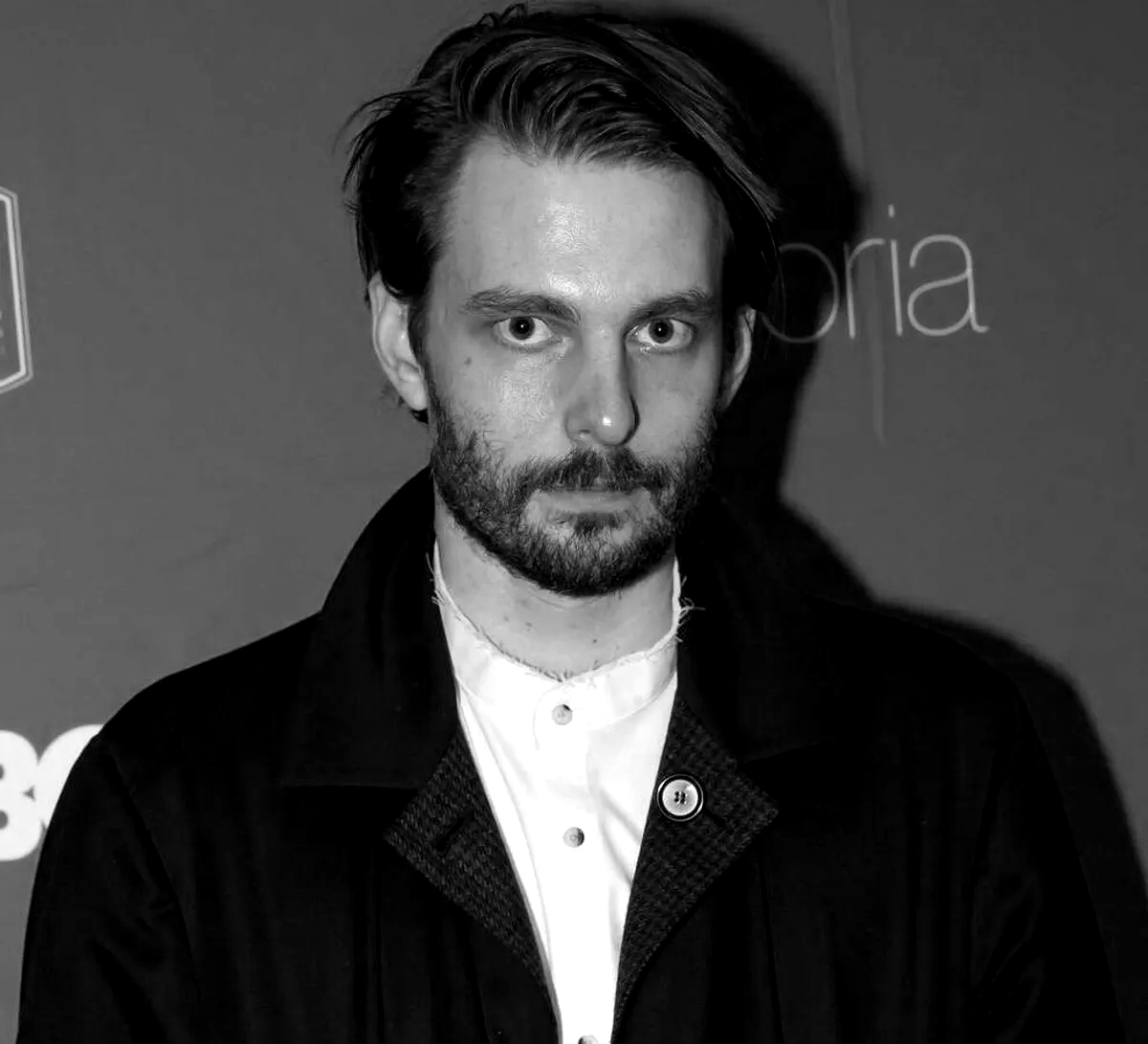
"I could say with absolute certainty that if I was going through what I went through when I was younger now, then I wouldn't be here, either"
by Sam Levinson talking to Deadline on the honest ending after 3 seasons of Euphoria.
Brands Want to Make Art. Their DNA Says No.
Why it Matters
The migration of corporate titans like McDonald's, Microsoft, and TikTok into Tribeca X signals something different continues to surface: brands are fundamentally rethinking what advertising is supposed to do.
In an era of total ad-blocking saturation and structural ad avoidance, the interruption model is dead. Brands can no longer interrupt entertainment. They have to become it. By moving aggressively into brand-funded storytelling, cinematic curation, or festival sponsorships, these companies are buying access to something standard media buying can no longer guarantee: high-intent and purposeful attention.
But the corporate gold rush toward "shaping culture" exposes a real vulnerability. There is a profound difference between organic art and a board-approved marketing initiative dressed up as a documentary or a sponsor board. yes, is true, Tribeca X provides a temporary halo of prestige and direct access to storytellers. But what it cannot provide is the one thing that makes any of it work.
The question every brand in that room needs to answer honestly: are we genuinely aligned with this story, or are we just buying a seat next to it and hoping the credibility rubs off?
Food for Thought
I believe we are hitting peak "Corporate Auteur." The delusion that an enterprise can successfully transcend its commercial utility to become a true creator of culture. The holy grail of cultural resonance. (Not my term, but I'm fully adopting it.)
When platforms proclaim that brands are now "creators and curators," they ignore a deep natural friction that doesn't go away just because the budget is large enough or the idea is creative. True storytelling requires vulnerability, messiness, and a willingness to sit with human (and corporate) flaws. Marketing machinery, by its very nature, demands risk mitigation, brand safety, and sanitized perfection.
Sit with that thought for a second.
The result lives in an uncomfortable middle ground that serves neither the audience nor the brief.
So if a brand genuinely wants to shape culture, financing an expensive festival-grade vanity project is not the path. The brands that actually, actually, pull this off build something persistent authentic and owned. An architecture with real flaws, real chaos, and real risk baked in. One that delivers unvarnished value to its audience every single day, not just during awards season.
Other Facts this week
📱 Check how a 28-year-old turned nostalgia into a thriving business selling dumb phones to Gen Z.
💍 Read why Oura became the gold standard in wearable health tech—and what that means for hardware startups today.
🎙️ See what Netflix's decision to livestream The Breakfast Club reveals about the future of podcasting.
📺 Worth a look—Sam Levinson defends the most controversial creative choice in Euphoria's final season.
📚 If you're building a brand, note this: Prime Video is betting big on BookTok with Off Campus as the cornerstone.