The 2026 Trust Crisis: Why The Odyssey, Comcast's SpinCo, and Prime Video's Obsessed Fest All Point to the Same Problem

The Odyssey, Nolan, and the War on Influencer Access
Why it Matters
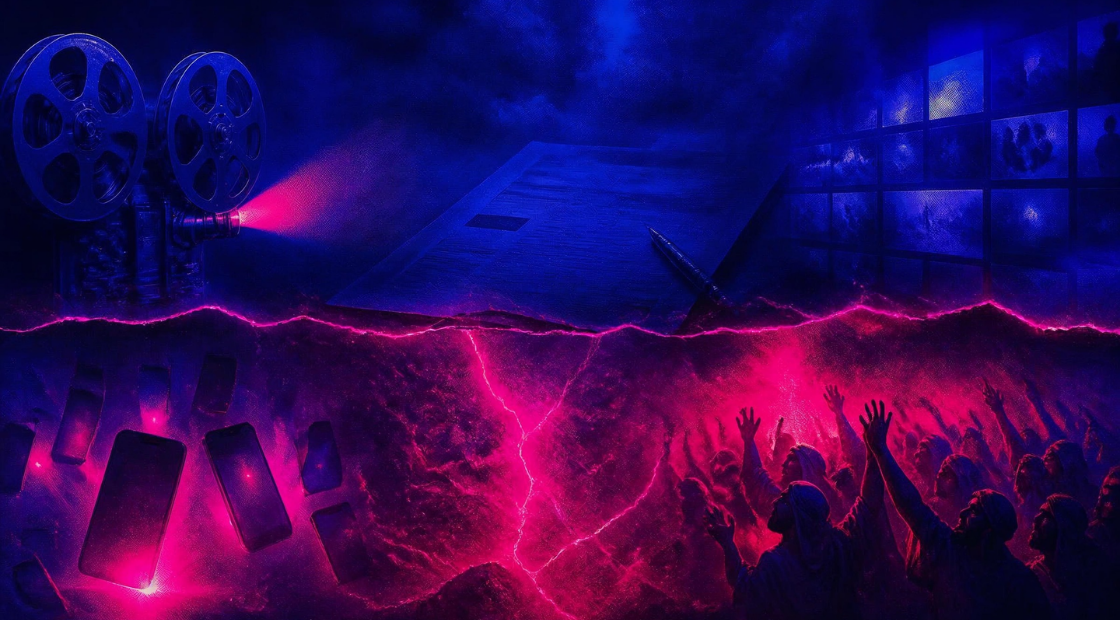
Universal Pictures' decision to completely scrap standard influencer screenings for Christopher Nolan's upcoming summer epic The Odyssey is a shocking moment in contemporary movie marketing.
For the past several years, the dominant Hollywood playbook for tentpole releases has relied on a two-tier embargo system: fill early theaters with high-reach TikTokers, YouTubers, and lifestyle creators, secure immediate breathless social media reactions to inflate early tracking metrics, and delay the more measured, and often critical, reviews from traditional journalists until the last possible second.
Nolan and Universal are executing a clear rejection of that dependency.
Why? Audiences in 2026 have grown deeply cynical of the hyper-enthusiastic influencer economy. They are understanding early social media hype not as authentic validation, but as transactional advertising. Period.
Following recent high-profile marketing blowbacks, Universal is asserting a more critically grounded approach to marketing. And with a Nolan film, it makes complete sense. They are leveraging his unique, unyielding brand equity to declare that true cinematic events do not need superficial digital echo chambers to command box office gravity.
Food for Thought
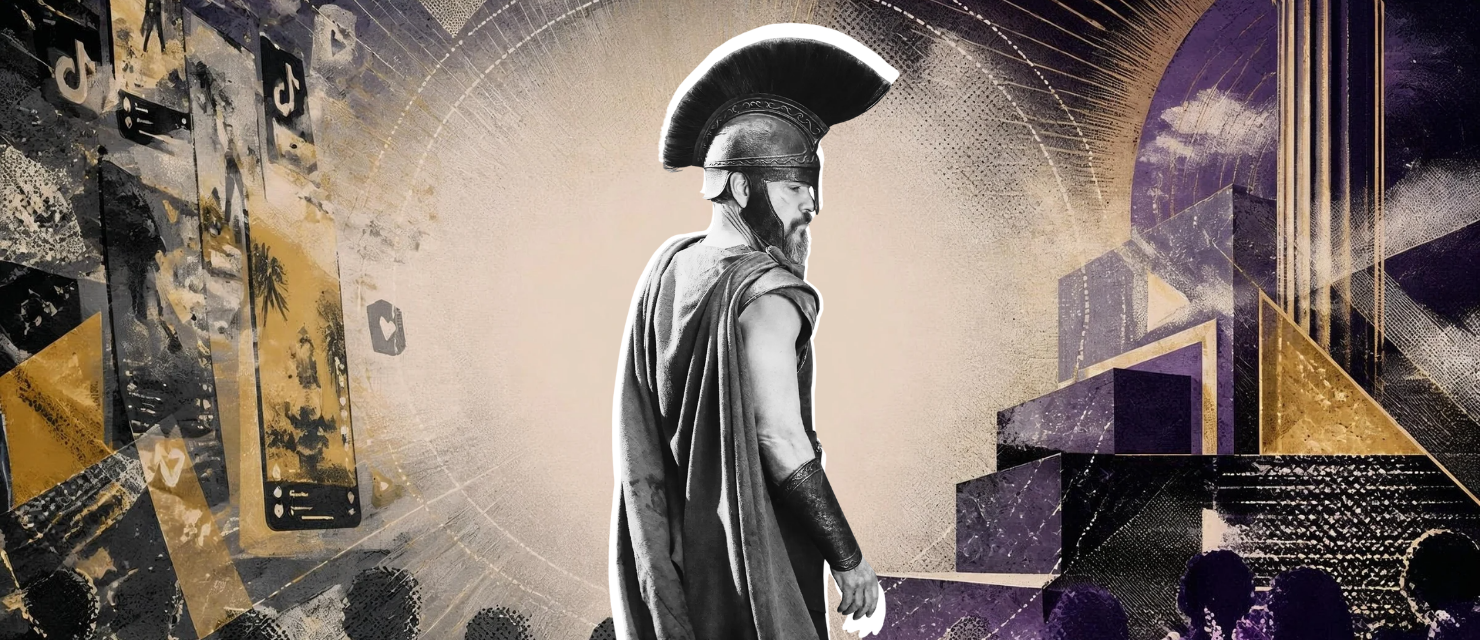
But think about this. Just a few short years ago, consumer cynicism was aimed squarely at traditional media, legacy publications, and institutional gatekeepers. They were viewed as out-of-touch, elitist, and compromised. Creators and independent influencers were championed as the ultimate antidote. The raw, unfiltered, normal human to normal human voices you could actually trust because they weren't bound by corporate interests.
In 2026, the public has become highly literate in the hidden economies of the creator world. They easily decode that "authentic" digital enthusiasm is often just a currency exchange for access to the next free studio junket or exclusive brand trip. When an influencer calls a mediocre product "the greatest event of the summer," the audience no longer sees an honest take. They see transactional behavior that looks exactly like the corporate gatekeepers they were supposed to replace.
Unfortunately, many independent voices have been completely industrialized. Though there are still (many) few who will uncompromisingly never bow to brands that way.
This leaves PR and communications strategists with an uncomfortable question. Trust doesn't belong to a specific format, a demographic, or a corporation. As cynicism engulfs the creator economy, the ultimate play isn't finding a shiny new tier of influencers to rent out. It is acknowledging that audiences are starving for unbought, high-friction accountability.
And they follow people. Not brands.
M&As Narratives: Why Comcast SpinCo has to pay attention to Double-Speak and People Inside the Building
Why it Matters
It is always "refreshing" to see corporate communications lingo at full force. lol
The narrative framework surrounding Comcast's spin-off of its media networks and Sky assets is a masterclass in highly engineered vocabulary of liberation. I mean this sincerely.
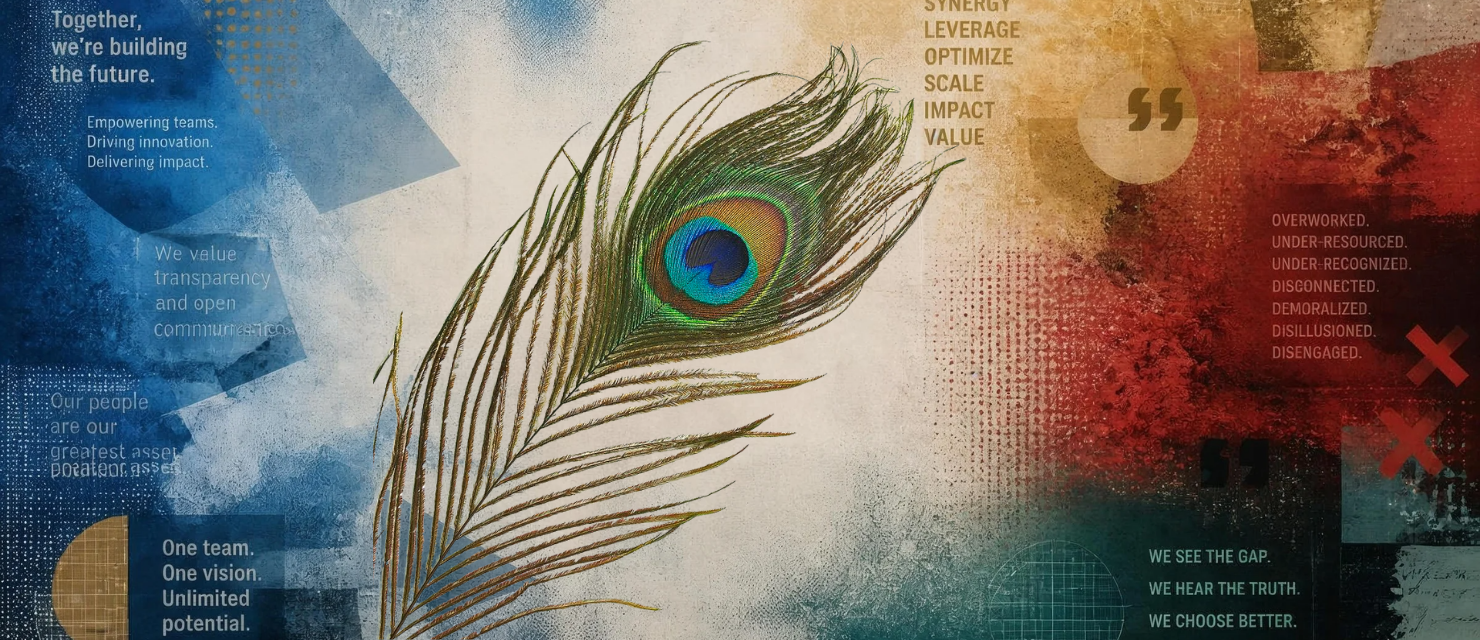
This is ultimate enterprise-level mechanics. And don't get me wrong, I get it. The street needs a very polished version of what's happening. Phrases like "unlocking an entrepreneurial management approach," "distinct strategic focus," and "operational freedom" are exactly how you cultivate a successful market narrative. A semantic architecture of structural reorganization that successfully deflects investor anxiety and convinces the marketplace that a strategic decoupling is actually a proactive posture of unique strength.
Food for Thought
Now, this linguistic shield completely changes the emotional temperature of a corporate event like this one. But really, for whom? Only the market. What about the internal component?
Employees are highly sensitive to corporate double-speak. And while taming structural anxiety into an enterprise narrative of "freedom" is a brilliant tactical maneuver for immediate crisis containment, it carries an acute cultural risk.
Because corporate double-speak during moments of structural uncertainty isn't just hollow. It's actively corrosive. Employees know the difference between language designed to communicate and language designed to manage perception.
When an organization is going through a fundamental restructuring, people inside the building are already running their own parallel analysis. Reading between the lines of every all-hands, every memo, every carefully worded press release. They know what "entrepreneurial freedom" often means in practice: fewer resources, reduced headcount, and a leadership team that has essentially handed them a smaller boat and called it a yacht.
Ultimately, true internal resonance requires that the promised agility eventually manifests in actual operational reality. Otherwise, the alibi curdles into a hollow joke that actively drives your best people out the door.
The most resilient internal cultures during restructuring aren't built on optimism. They're built on honest acknowledgment of what is hard, paired with a credible vision of what comes next. That's not a communications strategy. That's leadership.
Quote of the Week
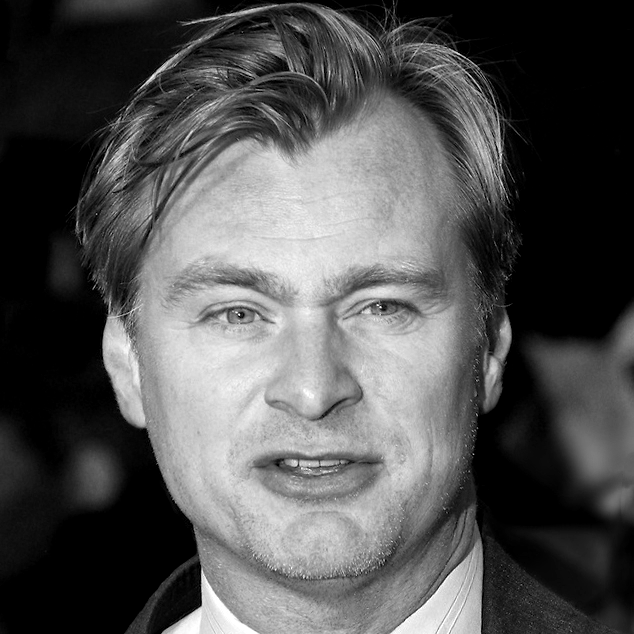
"If you’re really interested in movies and the history of movies, the one thing you see absolutely is that you have to take risks to succeed. The biggest risk of all is to play it safe. That’s what, consistently in mainstream movies, doesn’t work."
by Christopher Nolan in a conversation with The New York Times about his upcoming movie The Odyssey.
Prime Video's Obsessed Fest Proves Location-Based Entertainment Is the Wow Factor
Why it Matters
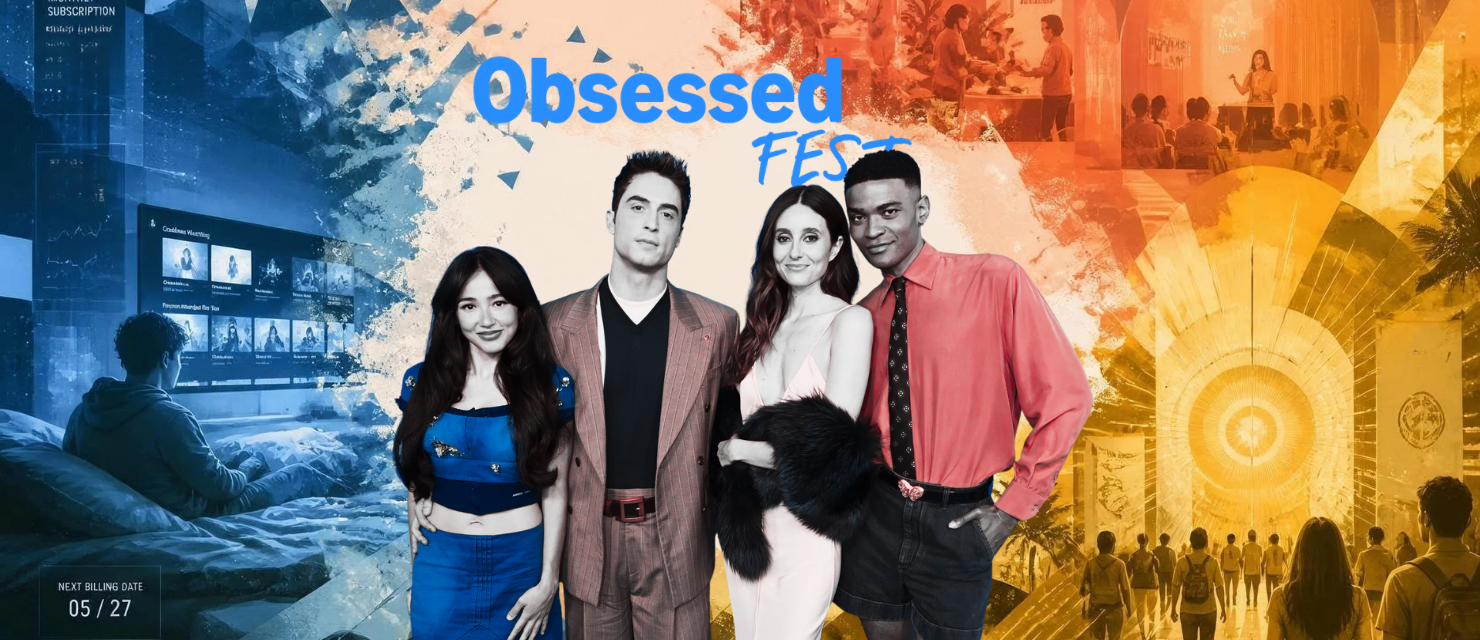
Remember when I said bringing the brand into real life is where you engage and create community? Prime Video's inaugural "Obsessed Fest" at Hollywood's nya Studios is exactly that sentiment in action.
In an era of total content saturation, building an entire live, multi-sensory festival ecosystem explicitly dedicated to Young Adult library and book-to-screen adaptations like Off Campus and The Love Hypothesis proves that Amazon understands something I’m personally a fan of: "obsession" is no longer just a byproduct of good content. It is the core business model of content into the future. The ultimate translation of fandom into something concrete.
This is really about decompressing a digital experience into physical reality. Recreating scene sets, hosting author signings, orchestrating surprise cultural moments. Everything that #BookTok symbolizes at its core, brought into a room where people can actually feel it. A real, physical cultural stewardship that no algorithm can recreate or out-bid.
Food for Thought
As streaming platforms face severe screen fatigue and escalating churn rates, location-based entertainment functions as the ultimate retention anchor. I spoke about this when looking at Netflix House in Philadelphia. You can easily cancel a monthly app subscription on a whim. You cannot easily discard the core memory of standing inside a physical recreation of your favorite fictional universe, surrounded by your people.
Obsessed Fest also demonstrates how platforms are using real-world experiences to de-commoditize digital video. By turning a solitary, passive bedroom binge into a highly social, multi-sensory community activity, Prime Video is acting on a psychological transformation: taking volatile digital users and having them become a permanent, highly loyal fan baseline.
When every dimension of your life is saturated with digital noise, the opportunity to physically live inside your favorite story is a massive reset. Especially when the experience architecture rewards you not with a mass audience activation, but with like-minded people who feel exactly what you feel.
Other Facts this week
🎯 Check how Starbucks and its barista-creators are testing TikTok's new custom ad network. A move that blurs the line between brand content and creator-led media.
🏆 See what Nike, Levi's, and Taco Bell are doing differently in their World Cup campaigns. and why their strategies are actually landing.
🦁 Read why Cannes Lions is still working out what a true creator takeover looks like — even as creators take up more space on the main stage.
📌 Quick takeaway: five things marketers took home from Cannes Lions this year, as the industry wrestles with what comes next.