The Authenticity Tax: What World Cup Marketing, Press Junkets, and Fox's Roku Deal All Got Right or Wrong

US Brands Got the World Cup Wrong. Latin America Already Knew the Answer
Why it Matters
The stark contrast between domestic and international World Cup marketing exposes a truth that is hard to question: American brands have a profound authenticity problem when it comes to cultural resonance.
In Latin America, football is not an elective entertainment choice or a seasonal Sunday activity. It is collective movement. It is how we feel and how we live. For many, it even represents an opportunity. A way to save their families.
Marketers in the region don't need to over-analyze the demographic because they are the demographic. They naturally understand the sacred codes, the cultural weight, and the emotional nuances of the sport.
Many US brands are approaching the World Cup from the opposite direction. They repeatedly treat it like a standard domestic mass-market property, something akin to the Super Bowl. And that’s not it.

Food for Thought
By prioritizing polished corporate aesthetics over raw subcultural fluency, domestic campaigns don't just miss the mark. They miss the opportunity entirely.
Global soccer culture cannot be colonized by playbooks or property messaging. While a Latin American campaign achieves immediate, deep-seated resonance by embedding itself in the authentic, gritty realities of the fan ritual, US campaigns feel like uninvited branding intruders.
In Latin America, or any international market, cultural resonance isn't a checklist item on a creative brief. It's the work itself. You just know it. Campaigns that are emotionally and culturally grounded succeed because they lean into the core of the community, embracing the tension, the anxiety, and the shared history that define the sport. That’s being authentic too and requires an emotional fluency that cannot be manufactured in a boardroom.
Sports is a market like few others. It runs on emotion. Not experience, not aspiration. Pure, raw emotionality. Superstitions, historical memories, a shared generational lexicon that the typical American consumer and the brands chasing them simply do not comprehend when it comes to soccer from around the globe.
The ultimate takeaway for global communications is this: true resonance cannot be bought. Think half of what you feel. But for that you need to have people in the room that understands this, and let them drive. Surrender the generic, one-size-fits-all playbook and do the hard work of mastering the complex, unwritten codes of the communities you want to claim a seat with.
The Press Junket Is Broken. Thomas Duke Shows What Replaces It
Why it Matters
For anyone sitting in the Publicity chair, approving schedules, managing publicists, running the brutal logistics of a press junket, the traditional instinct has always been “we need a big masthead”. And I understand this. We approve the legacy media giants and a handful of vetted creators because their logos look safe on an executive spreadsheet. They are easy to defend.
But let me introduce you to Thomas Duke (aka Stepping Through Film). He is the inversion of that legacy playbook. Not an elite outlet brand name. No. This guy is different. It leads with authentic empathy and passion. Genuine human curiosity, deep un-templated preparation, raw and unpolished presence.
And why does it matter? Because it shows. With talent and consumers alike. We need to start thinking about more people like him. Stop buying the empty illusion of institutional reach and start vetting an interviewer's capacity for real human interest. Someone who, at the end of the day, doesn't just resonate. The talent walks away saying, "that guy was so refreshing and incredible." That feeling, permeates in the video.

Food for Thought
The individual creator is no longer just a slot on the schedule. They are the engine that determines whether your campaign breaks through or dies in the feed. That's an unquestionable reality now.
Historically, approving junket slots was an exercise in brand-to-brand validation. But modern digital audiences do not share or engage with content because it comes from a reputable outlet. At least not anymore. They share it because they are witnessing a genuine, unscripted human connection. Authenticity is the only currency that travels organically across modern social feeds.
I've touched on this before: the manufacturing of authenticity is a failed model of earned media.
For the talent sitting in that chair for eight hours straight, an authentic individual operator functions as a vital energetic reset button. Relationship win. Because it's a piece of meaningful communicational art. Period. It speaks their same creative language, in a way.
So, colleagues, let's acknowledge this and rethink the realignment for junkets. We need to retool our vetting infrastructure to look for individual human gravity. Because that humanity provides infinite value to your campaign, far greater than anything else. The power of a creator who actually knows how to speak from the heart.
If the goal of a press rollout is to generate real, lasting public interest, let's go back to the human, and let authenticity do the distribution and virality work for you.
Quote of the Week
"[Stage work] immediately gave me a sense of belonging that was not attached to what I looked like. It was linked to my work ethic and natural talent... But natural talent is not enough. You have to train, and I loved the training. I loved the falling and getting up and being humbled by this thing."
by Sepideh Moafi talking to THR on visibility and cultural specificity

Fox's Roku Deal Proves Bigger Isn't Always the Right Brand Move
Why it Matters
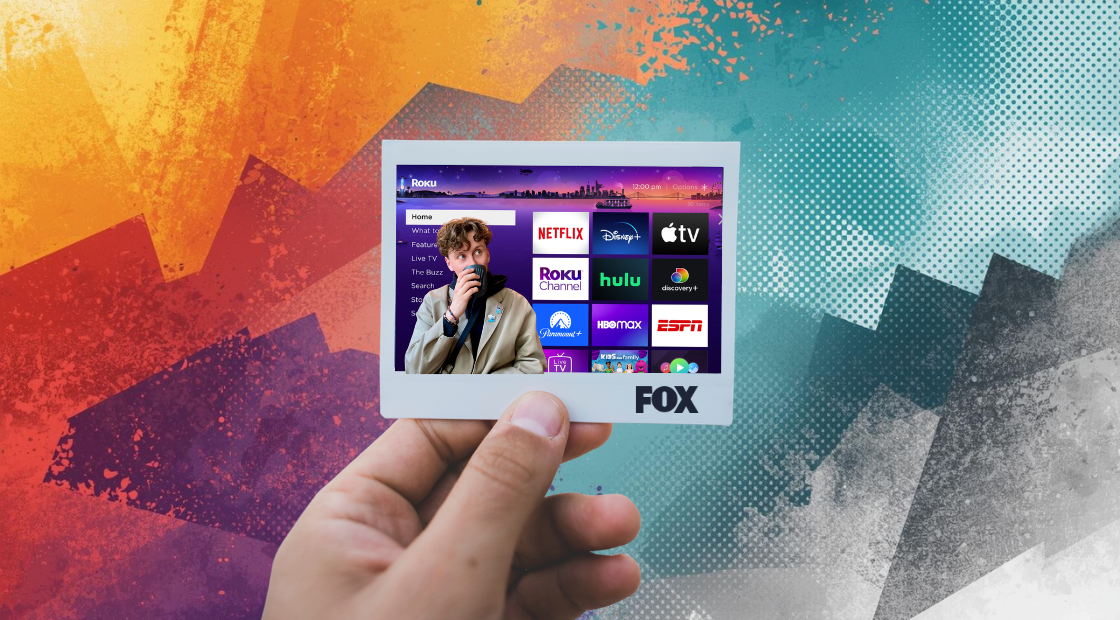
Fox just spent $22 billion to own the second largest free, ad-supported streaming services in the country. And the loudest message coming out of that deal isn't about scale. It's about market branding.
Lachlan Murdoch's first public statement after acquiring Roku wasn't "we're building one mega-platform." It was the opposite: "our expectation is fully that you keep the services separate."
My read on this is that Fox Corporation is telling the market, advertisers, and audiences that bigger doesn't mean blended. It means smarter ownership of two distinct relationships.
That's a meaningful signal for anyone in brand strategy. Let’s take Paramount-WBD and leading with consolidation. Instead Fox led with audience respect: Tubi and Roku Channel serve different viewers in different ways, and forcing them into one identity would cost more than it gains. The real story Fox is telling isn't about content libraries or ad inventory. It's that brand distinction is more valuable than brand size, even when you own both sides of the table.

Food for Thought
Really, this is something most brand strategists get backwards: bigger isn't always better when the goal is reach, not unification.
Most acquisitions chase the obvious win. Combine the brands, combine the audiences, claim the bigger number. Fox is doing the opposite. They're protecting two distinct brand identities because collapsing them into one undifferentiated platform would actually shrink trust, not expand it. In business terms, of course. Because yes, this is about money.
There's a very underappreciated lesson here. Audience trust is built around specificity. Tubi viewers know what Tubi stands for. Roku Channel viewers know what that is too. The moment you force them into one identity, you don't get two loyal audiences. You get one confused one.
The real innovation isn't the acquisition. It's resisting the instinct to consolidate the brand story just because you can.
Other Facts this week
📈 Read why LinkedIn's pivot to social-style content is reshaping how professionals build influence — not just resumes.
⚽ See what the story of Mexico's World Cup jerseys reveals about the blurry line between artisanal craft and mass exploitation.
🎬 Worth a look — Spielberg's Disclosure Day is tracking for a $40M opening, a signal of where prestige cinema still has pull.
🤖 Quick takeaway: Fable 5 and Mythos 5 are still on ice, and the team is pointing directly at Anthropic as the reason why.