The Week Culture Won: Spain's World Cup Reveal, the AMAs Narrative Shift, and the Ferrari Luce Crisis

Spain's 2026 World Cup Announcement Didn't Just Reveal a Squad. It Built a National Moment
Why it Matters
Last week, I witnessed what I believe is a masterclass in the correct intersection of storytelling, vulnerability, pride, and announcement. Sports is one of the few industries where the emotionality at the core of human essence is genuinely present.
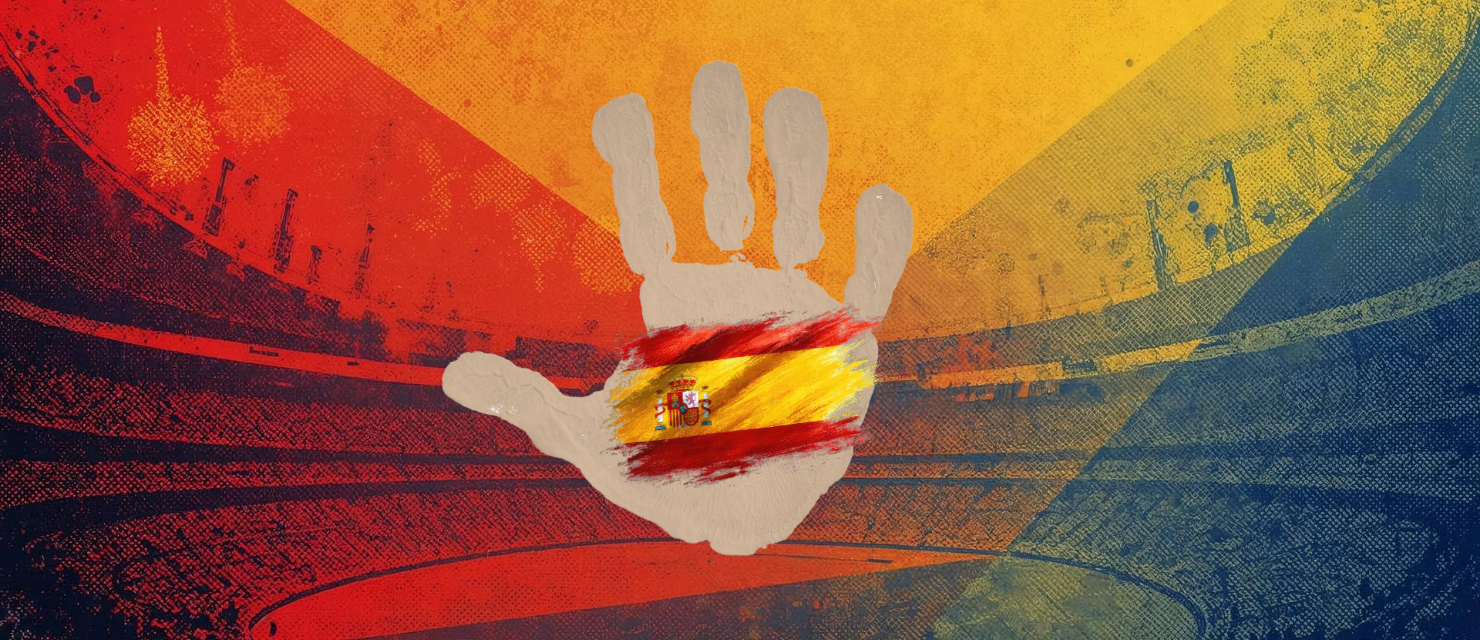
The RFEF's (Spain 🇪🇸) May 2026 squad announcement video represents, in my view, a profound shift in communications architecture. One that completely bypasses traditional sports marketing to anchor itself in the emotional infrastructure of national identity alignment. Instead of operating as a corporate entity pitching to fans, the federation strategically stepped out of its own shadow and placed the people of Spain as stewards of country pride and the announcement itself.
This was not about a static desk, corporate sponsor backdrops, and defensive media conference cross-examination. That was at the background. This was a high-fidelity cinematic narrative that transitioned the announcement from a fleeting media event into a permanent cultural artifact.
And even taking one step further, a narrative authenticity rooted in fictional friction. Instead of projecting corporate certainty, the speaker introduces an unexpected twist: "Hoy tengo que pediros disculpas... Esta convocatoria no es mía. Esta convocatoria es de todos." By opening with an apology and an open admission of shared ownership, the messaging completely bypasses the audience's natural cynicism. It strips away the sterile veneer and establishes an unassailable emotional baseline.
Then comes the physical decentralization of the list. The authority to speak the names of the 26 chosen players is stripped from the corporate RFEF and handed directly to “anonymous citizens”. A mirroring effect that projects everybody into the moment. Those who wake up before dawn, clean the streets, fish the seas. By treating the squad list not as an executive choice but as a national census of Spain’s soul at the World Cup, the RFEF achieved something rare: true connection. They are no longer selling a sports team to consumers. They proved that when an institution aligns its narrative entirely with the collective emotion of a culture, it transforms its commercial output into a source of genuine communal pride. Especially fifteen days out from a World Cup.
Food for Thought
The definitive lesson from this rollout is that deep communal pride and raw emotional connection cannot be manufactured by an expensive postcard.
The Scottish Football Association attempted an explicitly cinematic route for their own 2026 World Cup roster reveal, deploying Hollywood star Ewan McGregor to deliver a sweeping, poetic monologue against the mythic, rain-swept backdrops of the Highlands. Yet it didn't quite land with the structural weight it promised, because it leaned only on aesthetic romanticism. Don’t get me wrong. Scotland built a beautiful advertisement about their country. A true visual spectacle. Spain built an unvarnished confession from it. And for Spain, the chef's kiss was King Felipe's participation, a magnificent stamp on why Spain matters.
In other words, this proved that transforming a routine corporate task into a genuine piece of communicational art doesn't require a celebrity narrator or epic landscape shots. It requires a radical surrender of institutional ego at the conceptual stage of the idea. And I think this holds across any industry. Shifting from superficial content to authentic cultural stewardship is absolutely possible. It requires carrying true weight, and stopping to look at the details that actually matter. We focus too much on the foreground, the what, and forget that context, environment, and the why behind what we're doing matters far more in constructing real resonance.
But don't forget: true authenticity isn't a premium camera lens. It's the willingness to expose the human heart of the institution.
The American Music Awards 2026: When Global Fandoms Officially Rewrote the Rules of Cultural Authority
Why it Matters
The winners list from the 52nd Annual American Music Awards symbolizes how fandom and cultural relevance can now triumph over industry gravity.
The data from the night reveals how cultural authority is actually manufactured. BTS returning from hiatus to claim Artist of the Year over a leading nominee like Taylor Swift, alongside HYBE's global group KATSEYE capturing New Artist of the Year and independent viral sensation Sombr sweeping the rock categories, demonstrates that the traditional American entertainment epicenter has most likely shifted - narratively speaking.
Food for Thought
What is bottom up digital orchestration? Well, I think this shows what it truly is. Evolving from a marketing tactic into an unbeatable structural driver.
We in PR need to stop treating traditional publicity campaigns as solely relying on massive, top-down spending, and start focusing on decentralized fandoms operating as high-velocity distribution nodes. Because these hyper-organized communities don't just consume art. They possess the operational strength to colonize at will, even at this stage level.
Stop worrying about whether you're part of the establishment media circuit and focus on true market relevance. Because the US market is no longer a single, cohesive cultural territory. It is an arena of competing global and independent subcultures. Driven by globalization and hyper-localized digital networks, American listeners have forced a deep, borderless cultural resonance. The "American Hit" is a relic of the past. Today, the domestic narrative belongs to whoever can command the fiercest, most tribal loyalty, proving that the global silo will always out-vote and out-engage a passive mainstream public.
Quote of the Week
"I would call that a reciprocal emotional relationship. That's exactly right. Because we love doing this show for you, but what we really, really love is doing the show with you"
by Stephen Colbert on his final episode.

Ferrari Luce: When the Cavallino Rampante Forgot Who It Was
Why it Matters
Mamma mia. Ferrari's unveiling of the Luce, its first-ever fully electric vehicle designed with absolute creative freedom by Jony Ive's studio LoveFrom, is a lot to unpack. And regardless of where you land on the aesthetics...
For eight decades, Ferrari's brand identity has been anchored in the raw, auditory emotional labor of internal combustion engines. The visceral roar of the machine and mechanics. But let's bypass that for a moment. What we cannot ignore is that, exactly that traditionality is a massive component of why Ferrari is what it is. A beacon of design, rawness, elegance, and sports essence.
And yet, they decided to take a huge gamble: All publicity is good publicity?
From my humble point of view, Ferrari has walked straight into a profound betrayal of brand essence. The immediate public backlash, mocking the car as an oversized "Apple Magic Mouse" that lacks a soul, proves that when a brand built on untamed passion surrenders to prove its relevance against innovation, it creates a forgettable and regrettable alienation of identity.
I want to believe that for the communications and strategy industry, this rollout was a calculated test of raw internet controversy, viral division, and tech-world clout.
Food for Thought
But for the time being, the Ferrari Luce campaign operates on the edge of a marketing sort of delusion: that as long as the internet is screaming, the brand is winning. But is it? In the ultra-luxury tier, where mystique, historical friction, and visceral heritage dictate price elasticity, treating raw algorithmic noise as a metric of success might be a significant error.
If you are betting on the "Apple Magic Mouse" conversation just to dominate the 2026 news cycle, you aren't building brand equity. You are actively burning it. Period.
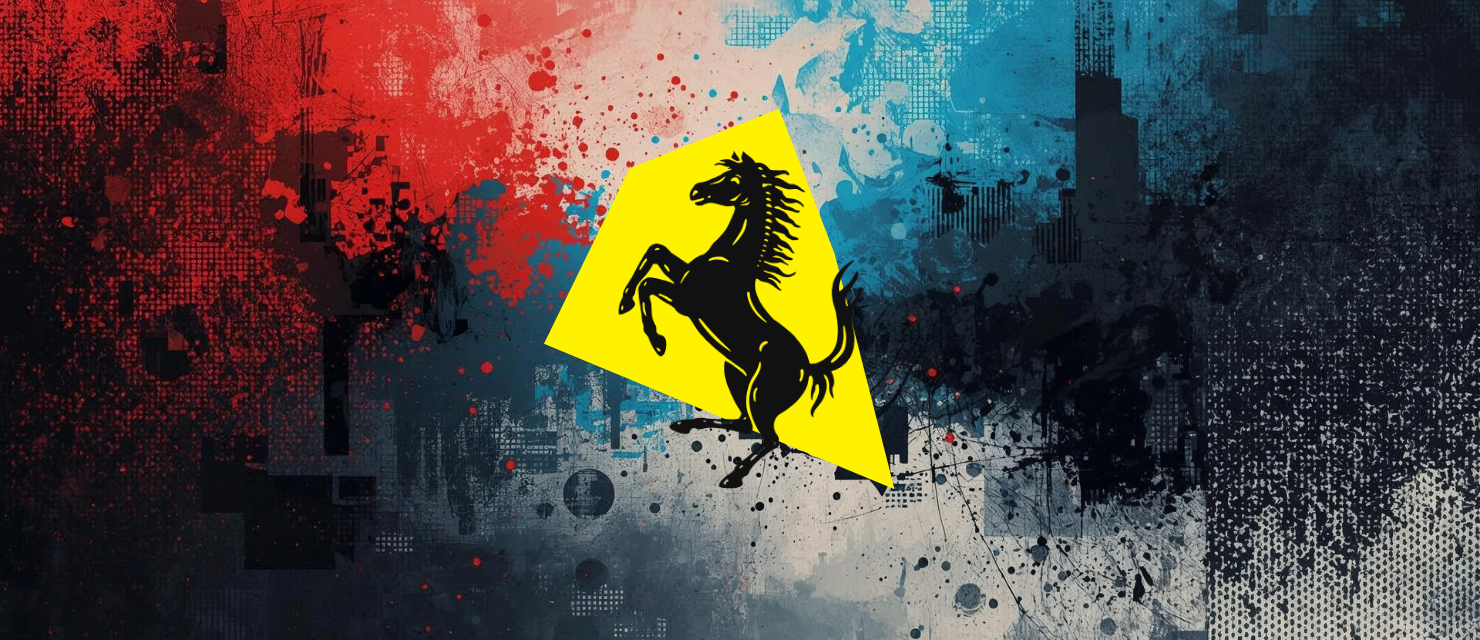
But let's give the benefit of the doubt and also caution against the belief that a brand's badge is so universally sacred it can validate any product, no matter how antithetical it is to the company's DNA. But let’s hope they thought about that too. Because there are certain brands in the world, like the legendary Cavallino Rampante, that function as an anchor for heritage and identity. Not a mask to hide behind when you forget who you are.
Other Facts this week
🎙️ Check how Colbert's closing the Late Show after 10 years—and why he's teasing a Middle-earth return instead of another desk gig.
📺 See what the creators behind The Bear, Slow Horses, and Shōgun reveal about the craft of making TV's most talked-about shows.
🦉 Hooters is rebranding as a family restaurant—yes, really—and leaning into kids' menus and birthday parties to survive.
🎵 Spotify's testing a perk that rewards superfans with early concert ticket access based on streaming history—loyalty finally pays off.