Taylor Swift Bypasses Hollywood, Amazon Cracks the Scarcity Code, and Sports Fandom Goes Luxury in 2025

The Summer I Turned Pretty's Blueprint for Turning FOMO Into a Fandom Business Model
Why it Matters
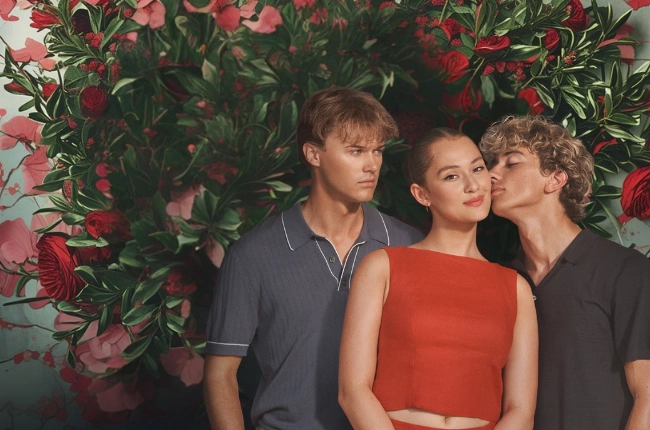
The Summer I Turned Pretty didn't just triple its viewership from season one to season three, it cracked the code on turning a YA romance into sustainable cultural infrastructure. The brand story here is that Amazon didn't just release a show; they reengineered a weekly community appointment, and the results were a cultural and commercial knockout. ☀️
I always believe that the genius things are in the big things: the architecture. First, they leveraged weekly episode drops to kill the binge-and-forget model (dangerous with a Gen Z binge must), creating the old-school "water cooler" anticipation. Then, they tapped into the ultimate FAAS (fandom-as-a-service) by making Taylor Swift not just a soundtrack, but a core emotional character in the show. This wasn't just a sync license; it was a strategic partnership that guaranteed an instant, passionate, and global marketing army. This combination turned a smart show into a cultural inevitability, proving that with the right brand and go-to market strategy, a teen romance can command the same cultural authority as any blockbuster franchise.
Food for Thought
The narrative is that Amazon figured out how to make Gen Z wait. Period. But other way to say this is they just made scarcity profitable again?
The show succeeded despite making fans wait, not because of it. The real question is: does this prove that scarcity works, or does it prove that scarcity only works when a brand successfully "event-izes" the waiting period? Was the success due to that, or was the IP simply so resonant it could have thrived under any model with week-long TikTok theorizing and soundtrack speculation that filled the void in between.
Beyond the Bleachers: the "Premiumization" of Sports viewing
Why it Matters
The latest PwC report just confirmed what brands have been sensing: the sports fan is no longer a monolith, and the most valuable segment is demanding a major upgrade. The data reveals a massive branding opportunity for leagues and advertisers willing to treat fandom less like a mass-market hobby and more like a luxury lifestyle category.
The key takeaway is the shift from passive viewing to a demand for premium, exclusive experiences. For younger, affluent fans, it's about "social media-worthy" moments like on-field access or player meet-and-greets. For the older demographic, it’s about comfort and high-level engagement. This isn't just about selling more expensive tickets; it's a strategic repositioning of the live game and brands. The marketing playbook is evolving from traditional hospitality to VIP experience and exclusive drops, turning the stadium into a high-status, aspirational destination.
Food for Thought
Catering to the high-income fan is clearly the smart way now…but what is the long-term cost of this "premiumization" of fandom? By chasing the VIP experience, do leagues/brands risk alienating the passionate, middle-class fanbase that built their brands in the first place, turning the "people's game" into an exclusive club and ensuring long-term cultural decay for a short-term revenue spike?
Quote of the Week
"A lot of times, it's harder for us — or at least for me — sometimes to know what you're capable of when you've been pigeonholed,” — Dwayne "The Rock" Johnson.
The Swift Model: A Direct-to-Consumer Empire
Why it Matters
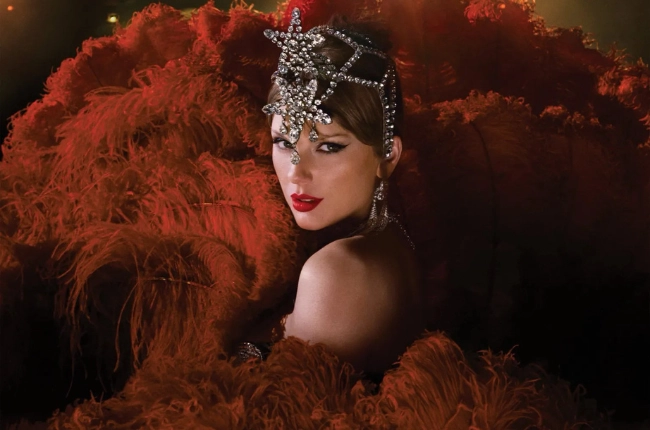
Ms Swift is no longer just playing the game or leading it; she's rewriting the entire rulebook. The release of her "Showgirl" film is a brilliant brand play that proves her "Eras Tour" theatrical run wasn't a fluke—it's a new, permanent, and direct-to-consumer distribution model. By once again bypassing the traditional studio system and promoting the film almost entirely through her own social media channels, she is making a powerful statement: the old gatekeepers are irrelevant. 👑
This isn't just a movie release; it's a vision on how to leverage brand loyalty to build a vertically integrated empire. The PR narrative is one of pure, unmediated bond with her audience, turning a simple album launch into a global theatrical event. It’s solidifying a new paradigm for this kind of calibre, proving that a powerful enough brand doesn't need Hollywood's machine to achieve a massive, $33 million+ opening weekend.
Food for Thought
Taylor Swift has successfully built a direct to consumer business model, cutting out the big channels and taking, yes, a larger share of the profits. When taking a deeper look I only fear one thing: what is the long-term cultural cost when one artist becomes this powerful? Does this new model create a "blockbuster or bust" ecosystem, where only the biggest superstars can afford to play, inadvertently making it harder for smaller, independent artists to get their movies seen in theaters?
Other Facts this week
😬 The Do's and Don'ts of saying "I'm sorry": Retail experts break down the anatomy of an effective brand apology.
🪵 Cracker Barrel drops the design firm responsible for its wildly unpopular, "ill-fated" logo change.
🎤 Propublica’s OOH campaign on where stories are (Blueksy post)
🎨 Canva and current trends on visual communication