Creator Economy Goes Physical, Apple TV's Risky Rebrand, and Netflix's Spotify Deal in 2025

From the Screens to the Streets
Why it Matters
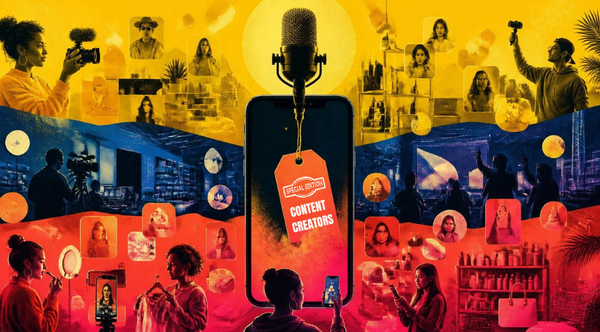
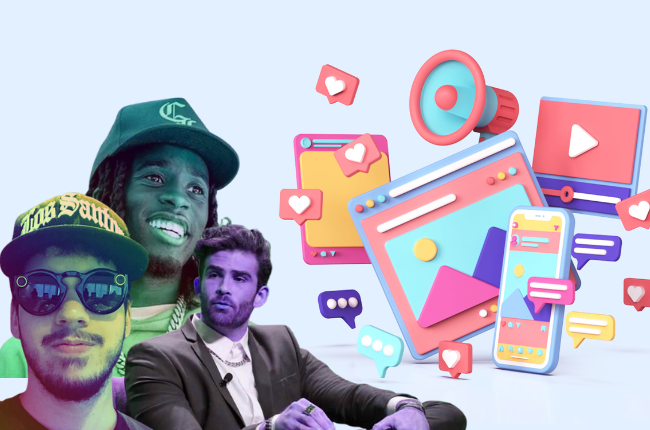
In today’s branding ecosystem there is a strategic tension between two radically different worlds colliding at exactly the right moment. The creator economy just made a massive pivot from the digital to the physical world. Night, the management firm behind titans like Kai Cenat and formerly MrBeast, has acquired Experiential Supply Co., the masterminds behind huge real-world activations. This isn't just a merger; it's a brilliant strategy signaling the next evolution of the creator brand and branding: from a 2D digital entity into a 360-degree, real-world franchise.
The narrative is all about bridging the gap between creators and their fans. How content creators (at the service also of brands) can magically create a vertically integrated machine for turning digital fandom into a tangible, monetizable community. It's a move to own the entire fan experience, from the YouTube video that builds the hype to the ticketed, real-life event that cashes in on it. With 74% of Fortune 1000 marketers increasing experiential budgets in 2025 the market is screaming that physical experiences matter. Night is positioning as the only company that delivers both digital virality and physical presence under one roof. This is a high-stakes bet that the future of the creator economy isn't just about getting more views, but about building physical empires.
Food for Thought
The narrative is that Night just cracked the code on turning digital influence into physical empire. But here's the brand tension: creators built their equity on feeling raw, spontaneous, unfiltered. The moment events feature the same corporate-approved giant dinosaurs that studios deploy for premieres, does the audience smell the machine and check out? Also, these are controlled spectacles for buttoned-up studio clients, calculated, focus-grouped, safe. Night's creators thrive on chaos and the illusion that anything could happen. Can you really merge by-committee activations with talent whose brand promise is "we don't ask permission"? If the creator economy's pitch was authenticity over corporate polish, what happens when creators become the corporation? Night is betting they can industrialize spontaneity without killing what made it valuable. But what if turning influence into infrastructure is exactly how you lose the influence? The real risk (I believe) it's whether the brand can survive becoming what it used to disrupt.
Apple TV, Simplicity or Chaos?
Why it Matters
Apple just made one of the quietest, yet most interesting branding moves of the year: dropping the “+” from Apple TV+. This isn't just a name change (I guess); it's a strategic declaration and a claim ownership of an entire category rather than position as a premium add-on. By dropping it, Apple is making a bold PR/Brand statement: "We are no longer an 'also-ran.' We are the definitive article."
This move reframes the brand from a streaming service to a core utility. It’s a subtle but brilliant marketing play to position Apple TV as an essential, integrated part of the Apple ecosystem, just like Apple Music or Apple Photos. They are leveraging their immense brand equity to signal that their platform has graduated from a billion-dollar experiment into a permanent, premium fixture in the cultural landscape. It's a bet that brand recognition matters more than differentiation when you're not #1.
Food for Thought
The PR narrative is one of confident graduation, a brand that has officially "made it." But here's a pause. A big pause. You're asking people to pay more while removing the premium signifier that justified the price. Apple spent years conditioning consumers that "+" equals paid premium tier (News+, Fitness+, iCloud+). Now they've stripped that signal from their most expensive (standalone) service. And here's the real question: if you can't win on typical subscribers talk, maybe you win by making it impossible to talk about streaming without saying "Apple TV." The rebrand maybe just doesn't clarify anything. Au contraire, it creates maximum confusion by making the hardware, app, and service identical. Apple's betting their brand is strong enough to survive their own chaos, and the industry’s. That is a bold, bold move.
Quote of the Week
"I never understood the idea that you're supposed to mellow as you get older. Slowing down isn't something I relate to at all. The goal is to continue in good and bad, all of it. To continue to express myself, particularly. To feel the world. To explore. To be with people. To take things far. To risk. To love. I just want to know more and see more.” — Diane Keaton.
Can Netflix and Spotify Build the Brand of the Attention Economy?
Why it Matters
The streaming wars are officially over, and the war for total screen time has begun. The rumored video podcast deal between Netflix and Spotify, centered around a titan like Bill Simmons, isn't just a content acquisition; it's a massive narrative signal that the future of streaming is rebundling. This is a play where two specialized giants are blurring the lines to become all-encompassing content ecosystems. 🎧
The marketing and brand play is in the synergy. For Netflix, it's a strategic move to capture the massive, loyal, and highly engaged podcast audience, continuing their narrative path of turning their platform into a destination for more than just scripted shows. For Spotify, it’s a way to elevate their video ambitions by partnering with the king of streaming. This isn't just a deal; it's the blueprint for the "everything entertainment app" for your ears and eyes, a high-stakes bet that the brand that owns your commute and your couch will win the ultimate battle for attention.
Food for Thought
This move represents the peak of the creator economy, where a singular voice like Bill Simmons can command the attention of two tech giants. But the real question is about the audience: is their loyalty to the creator or to the platform? This deal is a massive bet that fandom is portable, that audiences will follow a creator from an intimate audio habit to an active video appointment on a completely different platform. It's a gamble that people used to consuming podcasts on the go, often on creator-friendly platforms like YouTube, will migrate to a lean-back streamer like Netflix to do the same thing. This move will either prove the ultimate power of the creator or reveal the brutal truth: influence doesn't transfer, it's platform-experience dependent.
Other Facts this week
🎬 An excellent trailer (marketing asset to its best) on a very creative spin to afterlife romance with Eternity.
💰 THR's Most Powerful Influencers 2025 list is out—the new power map of who actually moves culture.
📱 MIPCOM declares vertical video "the new language" of storytelling. Is the industry finally studying TikTok instead of fighting it? (🇪🇸 Spanish link)
🎞️ Nice THR piece on how streaming hit $42B while theatrical reached $8.7B—the "death of cinema" narrative is dead. We're watching a two-tier entertainment economy where both models win different battles.