Netflix House, Disney's F1 Deal, and Jim Beam's Sports Bet: Why Brands Are Leaving the Screen in 2025

From "Netflix and Chill" to "Netflix and Thrill”
Why it Matters
Netflix is officially moving from your living room to your local mall. With the opening of the first Netflix House in King of Prussia, PA (and another coming soon to Dallas), the streaming giant is making its biggest bet yet on experiential retail. These aren't just pop-up shops; they are permanent, 100,000-square-foot entertainment complexes designed to let fans inhabit the worlds of Squid Game, Bridgerton, and Stranger Things.
From a brand strategy perspective, I love the evolution from "renting" attention to creating a lifestyle. Netflix knows that in a crowded streaming war, IP loyalty is the only moat that matters. By building physical spaces where fans can eat, shop, and play inside their favorite shows, Netflix is transforming passive viewership into active, "IRL" (In Real Life) fandom. And this isn't just to sell tickets or merch (though they will); it's to deepen the emotional connection so effectively that cancelling your subscription feels like leaving a community, not just saving $15 a month.
Food for Thought
But let’s take a deeper dive here. The real story here isn't about retail; it's about the fundamental evolution of fandom. In the streaming era, we essentially just "rent" attention—we borrow access to stories for a few hours, and then we scroll on. Netflix House aims at flipping that model entirely.
By giving fans a permanent (not pop-up style) physical place to eat, shop, and play, Netflix is moving from renting eyeballs to inhabiting worlds. This evolves fandom from consumption into an active, physical identity. This isn't just marketing; it's the necessary future of how digital brands become permanent parts of our lives so we don’t feel that everything we do now is ephemeral.
Mickey at 200 MPH: F1’s "Disneyfication”
Why it Matters
The Las Vegas Grand Prix brought a massive dose of pixie dust as Disney and Formula 1 officially launched their multi-year collaboration. But this isn't just a sponsorship; it's a content and experience takeover. From a brand strategy perspective, it feels like a calculated demographic swap designed to future-proof both brands.
For F1 (under Liberty Media), this is the next phase of its "Americanization" strategy: taking a technical, elitist European motorsport and repackaging it as a general entertainment lifestyle brand safe for the whole family. By bringing in Mickey Mouse, F1 creates an on-ramp for Gen Alpha, ensuring the next generation of fans is hooked on the spectaclebefore they even understand the sport. Disney, conversely, gets access to F1's massive, affluent, and global fanbase, promoting its IP far outside its magic-centric theme park walls. By blending the adrenaline of motorsport with the emotional resonance of Disney characters, this partnership proves that modern sports sponsorship is dead; the new era is IP integration, where the race itself is just a backdrop for a larger, co-branded narrative.
Food for Thought
The "Fuel the Magic" campaign is undeniably spectacular, but here's what I’m left with: Is this real brand synergy, or could it transform into brand dissonance? F1 is built on danger, speed, and precision engineering. Disney is built on innocence, magic, and fantasy. By putting Mickey Mouse on the grid, does F1 risk alienating its core purist fanbase who tune in for the racing, not the "entertainment"? Or is this just the final proof that in the modern era, every sport eventually just becomes content for the IP machine?
Quote of the Week
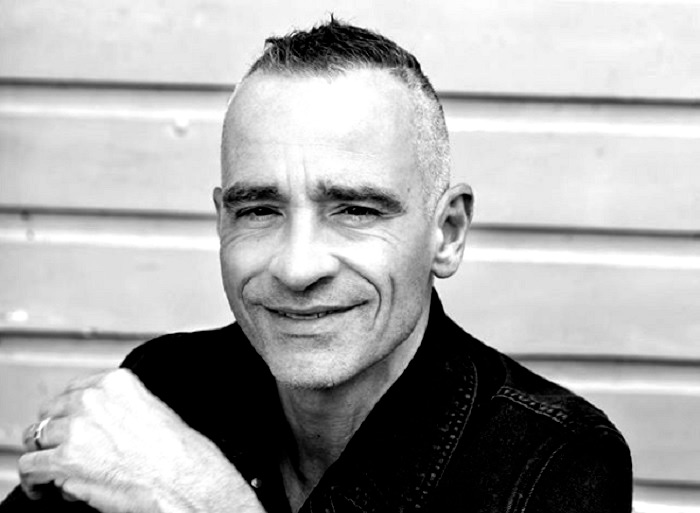
"Hoy necesitamos esperanza después de todo lo que pasa en el mundo. La gente necesita música, necesita cosas positivas" — Eros Ramazzotti
Jim Beam Redefines the "Heritage" from the Porch to the Pitch
Why it Matters
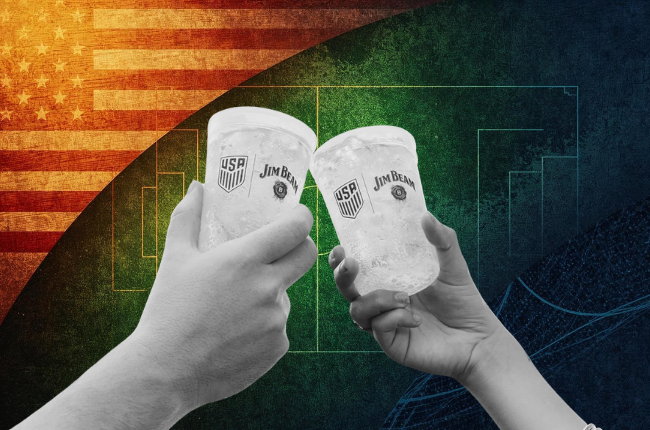
Jim Beam is aggressively attempting to shed its "dusty bourbon" image by betting big on the two fastest-growing global sports platforms in America. The 229-year-old brand has signed major deals to become the Official Spirits Partner of U.S. Soccer and the Official Spirits Partner of the new Cadillac Formula 1 Team.
From a brand strategy perspective, this is a magnificent attempt to modernize. But it isn't just a pivot to the global stage; it's a sophisticated "glocal" layering strategy. Jim Beam is building a marketing ecosystem where its "American heritage" story flexes differently depending on the context. It allows them to be a "global icon" on the F1 grid while remaining a "local favorite" at the ballpark, proving there is "room for both" as long as the message meets the consumer where they are. By doing this, they are effectively targeting a younger, more diverse demographic that traditional sports like baseball simply can't reach. It’s a "heritage" play with a twist: they are positioning bourbon not as a drink for the porch, but as the fuel for a new, globally-connected American sports identity.
Food for Thought
I have to applaud this effort. Why? Because it takes a genuine risk on authenticity vs. visibility. Jim Beam is deeply rooted in slow, relaxed Kentucky culture. F1 is high-tech precision; Soccer is high-energy endurance. Does slapping a heritage logo on a 200mph Cadillac or a soccer pitch build a genuine connection, or does it feel like a forced attempt to be "cool" by association?
With Jim Beam, I simply can’t tell yet. And that's fascinating. Because if they pull it off, this won't just be a sponsorship; it will be a deep cultural integration that proves a 200-year-old brand can speed up without losing its soul.
Other Facts this week
🗡️ Quentin Tarantino debuts a long-lost Kill Bill chapter, Yuki’s Revenge, as an animated short inside Fortnite.
🤣 Everybody Loves the Reunion: Ray Romano and Phil Rosenthal host a tearful, ratings-hit 30th-anniversary special for Everybody Loves Raymond.
🍿 Zootopia 2 roars over Wicked: For Good with a massive $156M Thanksgiving opening, signaling a major box office recovery.
🏆 Hollywood's Power List: Shonda Rhimes, Liz Tigelaar, and more are named among the most powerful TV producers in a major industry survey.