CinemaCon, Apple's Succession, and The Devil Wears Prada 2: The B2B and Brand Strategy Playbooks Hollywood Isn't Talking About

The Room That Shapes Outcomes Before the Audience Exists
Why it Matters
B2B publicity is the invisible architecture of theatrical distribution, and the industry almost never talks about it. Jeff Goldstein, Warner Brothers' head of distribution, has spent 40 years building belief at the exhibition layer of the business: the 4,000 theater owners who decide how many screens your film opens on, which markets get premium formats, and whether a title gets a Tuesday-night preview or a quiet Friday-morning drop. And CinemaCon is THE venue for this presentation. It’s a relationship-infrastructure play running at full capacity.
It’s not a press conference. There are no journalists. And for studio distribution chiefs, it’s the Super Bowl, the kind that happens before a single consumer has seen a trailer. The kind that doesn’t show up in a coverage report, doesn’t generate an impression, and can’t be measured in column inches.
And when we understand that CinemaCon exists because that relationship has always been the engine underneath theatrical distribution, it clicks: the glitzy presentation is the visible part. The breakfast meeting is where the deal actually moves.
Food for Thought
But I want you to think about it this way (even beyond the film industry). Every industry has its CinemaCon and we generally forget about it. B2B is NOT sexy for publicists because the communications work that happens in those rooms is invisible by design. It doesn’t generate clips. But it generates belief.
And belief, when it’s held by the right people, is what turns a well-made film into a cultural moment instead of a quiet opening weekend.
And lately, in theatrical business, we want to send these signals: we are committed, we are confident, and we want you in this with us.
That’s the B2B publicity playbook no one ever writes (or even talks) about. Maybe it’s time we did.
The Parc Fermé Succession PR Strategy: Apple’s Two-Year Masterclass in Market Decompression
Why it Matters
The narrative around Tim Cook's departure is wrong. This is not a handoff driven by AI anxiety or investor pressure. It is the final act of a succession architecture Cook has been building in plain sight.
Apple's competitive strategy has never been about being first. It has been about controlling the final mile. I always take my hat off to their PR people because they are so good at this.
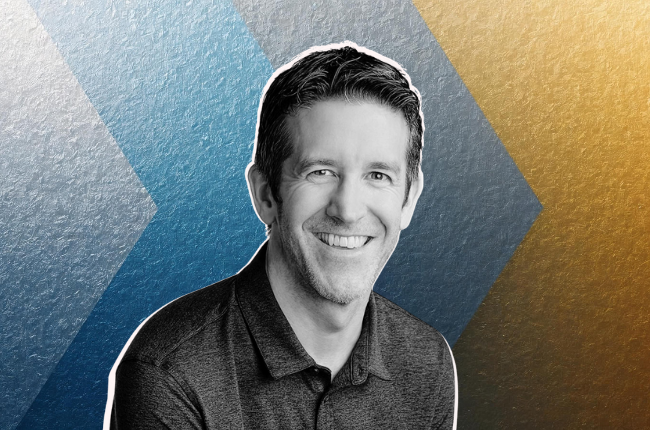
The recent announcement that John Ternus will succeed Tim Cook is not a news event. It is the conclusion of a two-year "Parc Fermé" strategy designed to neutralize market volatility and cement institutional memory, or at least that is how I see it.
For PR and communications teams, this is a masterclass in narrative decompression. The "vehicle" (Ternus) was held in a strictly controlled state for 24 months before the official race began. By utilizing a deliberate drip-feed of "leaks" (😉), socializing Ternus as the frontrunner through Bloomberg and the FT as early as 2024, Apple effectively stress-tested the market’s response and ensured the final announcement was "priced in" before it ever hit the wire. This credentialing period was reinforced by moving Ternus into high-profile design roles and keynotes, such as the MacBook Neo launch, to build public authority as the keeper of the "Apple Soul." By the time the official press release was issued, Apple had successfully transitioned the narrative from Cook’s operational excellence to Ternus’s hardware-first vision for the AI era. This is further strengthened by the split-cell leadership model, where Cook’s move to Executive Chairman allows Cook to remain the company’s global diplomat while Ternus operates as the product architect. This structural reconfiguration disarms the risk of a "leadership vacuum" and positions the change not as a retirement, but as a strategic evolution that maintains Apple's institutional sovereignty.
Food for Thought
For communicators, the lesson is about succession narrative design, when the real strategy here is “Institutional Patience”.
But by being so successful at "soft-launching" John Ternus, has Apple accidentally killed the narrative momentum typically granted to a new era? Usually, a new CEO arrival triggers a "honeymoon period". However, Apple is all about the product. So actually, the “pre-socialization" period granted less of a peak in attention, and the actual transition decompression will put all of the attention back into the product. The only question underneath this one is: is the future of corporate PR shifting toward total market stability at the cost of the brand’s ability to surprise?
Quote of the Week
"Se vive con la esperanza de llegar a ser un recuerdo."
by Luis Brandoni cited this quote by Poet Antonio Porchia as his life mantra.

Miranda Priestly Is Now a Brand OSWhy it Matters
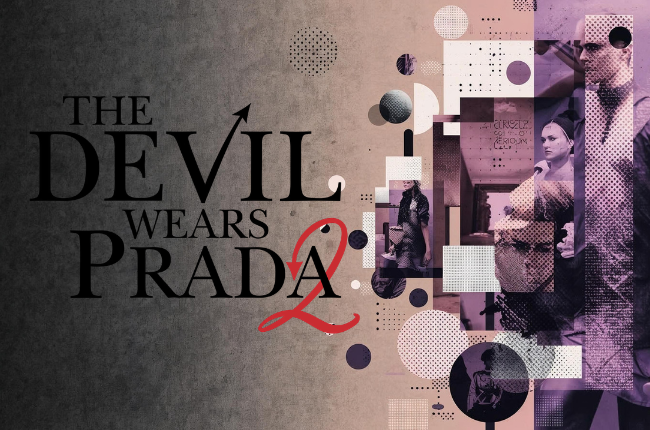
The Devil Wears Prada 2 is more than a film release. It is the activation of a cultural IP that has been quietly maturing for twenty years, and the brand strategy surrounding the May 1 premiere reveals something important about how entertainment franchises now function as commercial infrastructure.
The massive brand explosion surrounding *The Devil Wears Prada* represents the most audacious execution of "Lifestyle Monopoly". By blurring the lines between fiction and commerce, the PR strategy is attempting to manifest the movie into the physical world. When the fictional "Runway" brand releases a real-world collection and Anna Wintour herself steps in as a collaborator, the film ceases to be a theatrical release and becomes a functional retail platform. The strategy seeks to own every touchpoint of the consumer’s day, from their morning Starbucks "Devil" latte to their evening Grey Goose cocktail. By treating the movie’s aesthetic as a lifestyle scafolding, the comms team has successfully ensured that even if you don't buy a ticket, you are still interacting with the "Runway" universe.
Food for Thought
Miranda Priestly's power in the original film came from scarcity and exclusivity: the idea that fashion was inaccessible, aspirational, and ruthlessly selective. When the same IP simultaneously anchors a Starbucks Frappuccino, a Samsung smartwatch, and a Lancôme campaign, the cultural exclusivity that made the universe desirable starts to dilute.
While the momentum of this IP has been building for two decades, we have to ask if we are hitting a point of multi-touchpoint fatigue. The industry is increasingly relying on the "Barbie-fication" template, a saturated, multi-brand bombardment that leaves no consumer category untouched. Are these campaigns starting to feel generic?
When every major IP uses the same playbook of "pink" or "prestige" collaborations, the individual soul of the story can get lost in the noise. We have to consider if the most effective way to celebrate 20 years of an iconic brand is to make it ubiquitous. In a world where everything is a collaboration, could the most radical move be to remain out of reach?
Other Facts this week
🏆 Check how Powerade used World Cup hype and creator-first strategy to stand out in a saturated sports drink market.
🎬 See what the Monte-Carlo Television Festival's decision to honor Kurt Russell and Kristin Scott Thomas reveals about TV's shift toward cinematic talent.
📱 Worth a look: AMC is chopping a full TV premiere into 3-minute TikTok segments — testing whether Gen Z will binge vertically.
📊 Read why Netflix says it still has "room for growth" even without Warner Bros. content or Reed Hastings at the helm.