After the Monoculture: How Netflix's Narnia Strategy and the New Oscar Rules Are Responding to a Fragmented Public in 2026

When the Oscars Stop Belonging to Countries
Why it Matters
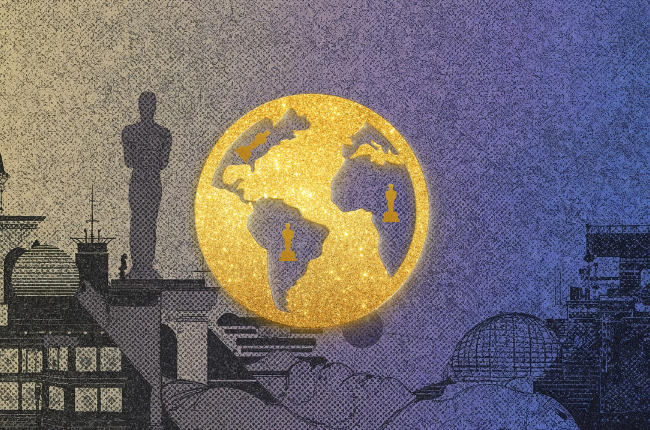
The 2026 Oscar rule changes do something specific, beyond the AI news cycle that picked up fast: they remove governments from the equation in the International award. Allowing festival winners to qualify directly, and giving the International Feature Film award to the director instead of the country, bypasses the local selection committees that have historically served as political filters. A state-censored film can now reach the Academy without domestic approval. Political favors and establishment-only access no longer determine what gets through. This is massive. For PR strategy, the implication is clear: the conversation shifts from national reputation to individual authorship. Countries no longer win Oscars. Directors do.
Food for Thought
But this de-nationalized Oscar probably creates a new tension. By positioning itself as the direct pipeline for global prestige, bypassing national selection bodies entirely, the Academy is becoming the only gatekeeper that matters. That protects individual directors from local political interference. It also concentrates an enormous amount of cultural authority in a single institution governed, largely, by Western tastes.
The question for PR and strategy is whether that concentration produces a different kind of distortion. When directors no longer need to appeal to their home country's committee but to a global voting body, the incentive shifts. Could films start to be shaped less by the specific weight of a local culture and more by what reads as "international" to an Academy electorate? i.e. technically accomplished, emotionally legible across markets, and gradually less specific.
It hands the Academy something it never formally had: ownership over what world cinema is supposed to look like. That cuts both ways.
What Narnia Really Means for Netflix and Branding Cinematic Culture
Why it Matters
There are many ways to interpret this move by Netflix. Here's one worth sitting with (at least IMHO).
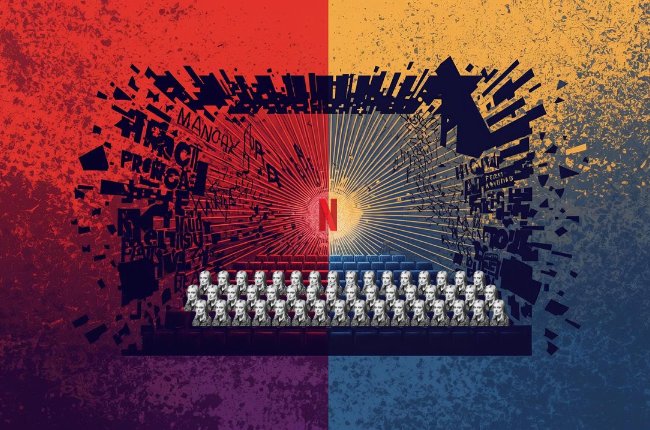
The decision to give Greta Gerwig's Narnia a 49-day wide theatrical release, opening February 12, 2027, with an IMAX-exclusive preview two days before, is Netflix acknowledging something it spent years in the works: that its most valuable IP needs a room full of strangers to become an “experience”.
For years, Netflix treated theaters as a publicity mechanism, a brief stop before the platform. Something shifted. And beyond the business rationale, the Narnia rollout suggests Netflix understands that a shared physical experience does something an algorithm cannot: it builds the sense that a film is an event before most people have seen it. We saw early versions of this logic in the experiential Houses and fan activations. This is the same instinct at a much larger scale.
By placing Narnia in thousands of theaters worldwide, Netflix moves the film from a title in a row of icons to something people feel they need to show up for. When it lands on the app on April 2, it won't arrive as new content. It will arrive as something that already happened to the world.
Food for Thought
But let's be real. The critical tension in this move is simpler than it looks. In a 2026 market saturated with content, the home screen has become a place of frictionless, disposable consumption. By “allowing” the audience back into the theater, Netflix may be re-introducing scarcity and presence as brand differentiators. I doubt this was a carefully articulated conversation in the decision room, but I think it's what consequentially happened.
For PR and strategy, the risk is straightforward: leaning too hard into theatrical prestige first window could erode the platform that actually pays the bills. The gain, though, is real: massive financial and marketing uplift that no home release generates on its own.
The challenge heading into 2027 is maintaining the sense that watching at home still means something, at a moment when the theater is being quietly rebranded as the only place where cinema actually counts.
Quote of the Week
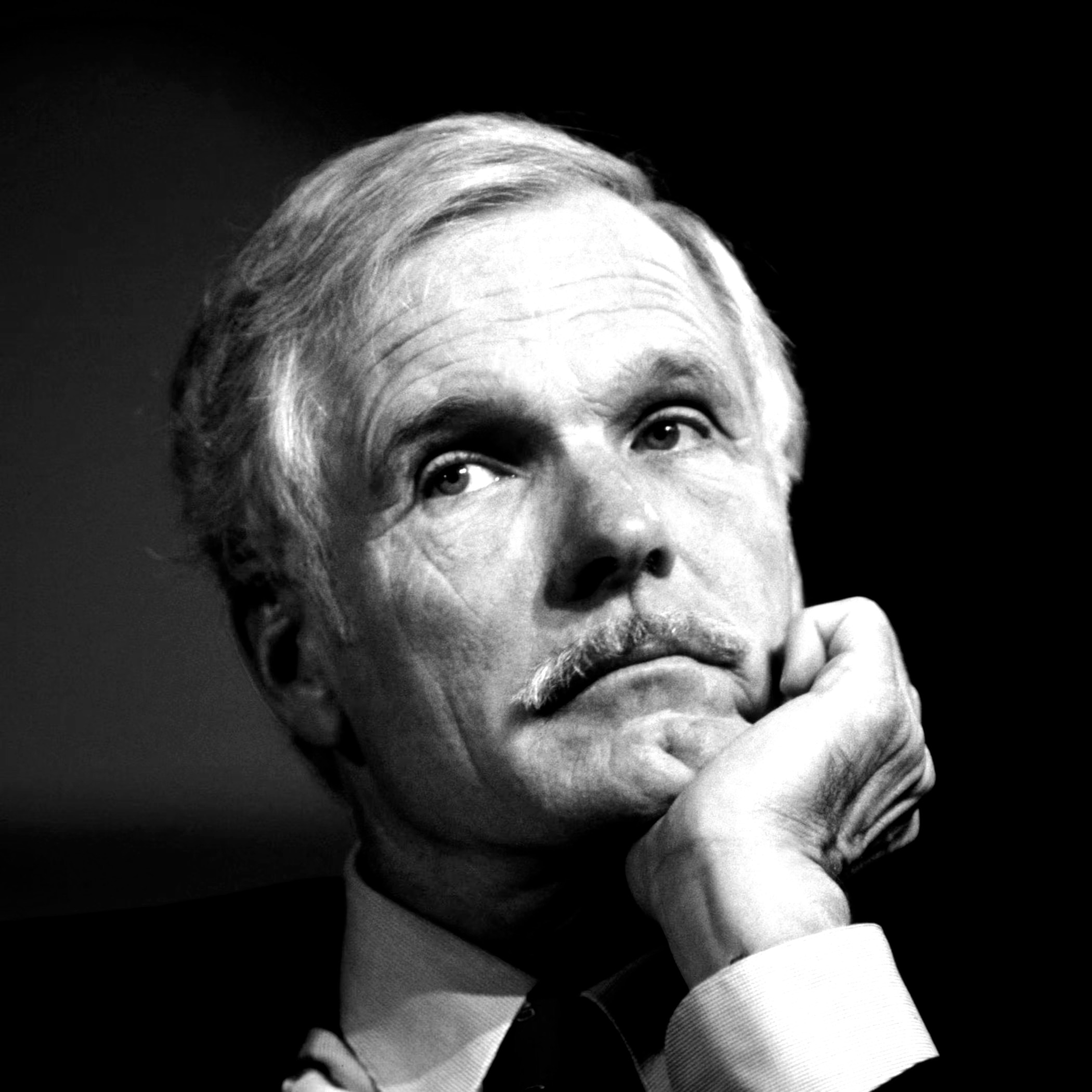
"You can never quit. Winners never quit, and quitters never win."
by Ted Turner
Monoculture Post-Mortem: PR in 2026
The death of the monoculture, which most analysts place somewhere in the mid-2010s, is the origin story for every strategic challenge we're navigating in 2026. It wasn't a slow drift. It was a structural break.
When the shared cultural moment dissolved into algorithmic silos, it ended something systemic: the ability for a single brand, film, or event to occupy the collective attention of a broad public at the same time. For the communications industry, that shift explains more than we usually admit. We didn't just change tactics. We changed what "public" means. We no longer address a unified audience. We manage a series of disconnected (articulated at best), high-frequency echo chambers, each with its own logic, references, and threshold for trust.
That's why moves like the Narnia theatrical pivot can now resurface and exist. In a world without an organic shared reality, presence has to be manufactured. Brands spend billions not to join a conversation but to build a space large enough that people mistake it for one. The primary PR task isn't message distribution anymore. It's the construction of the conditions under which a collective moment feels possible at all.
That's a harder job. And it's the one we actually have now.
Food for Thought
This should serve as a warning for any brand still chasing a narrative built for an audience that no longer exists as a whole. In 2026, the most dangerous assumption is that a unified public opinion is still out there waiting to be reached. When brands speak to a center that has long since dissolved, they end up speaking to no one, or worse, watching their message get picked up and weaponized by one community against another.
The cost isn't just wasted budget. It's an alienated audience on multiple fronts simultaneously.
In entertainment PR, prestige has migrated from the center to the edges. The most effective players aren't trying to scale a single narrative to the masses. They're facilitating specific, high-stakes conversations that anchor the brand within defined communities of high-intent audiences. The goal is no longer to mean something to everyone. It's to mean everything to someone.
A brand can inhabit multiple, even contradictory, communities at once, as long as it genuinely understands what each one values and doesn't pretend otherwise. That requires specificity, consistency, and the willingness to let go of the idea that one message can do all the work.
In a post-watercooler era, the only way to build a world is to first admit that the old one is gone.
Other Facts this week
📺 Check how Peacock is launching a dedicated Spanish-language World Cup hub this summer — signaling streaming's next battleground for multilingual audiences.
🎯 Read why Prime Video's year-round sports strategy is winning over brands that used to wait for tentpole moments.
💸 Worth a look: why your $20M raise isn't the flex it used to be for media — and what actually moves the needle now.