Y2K Nostalgia, Gen Z Sports Behavior, and Zoom's Media Bet: The 2026 Audience Nobody Planned For

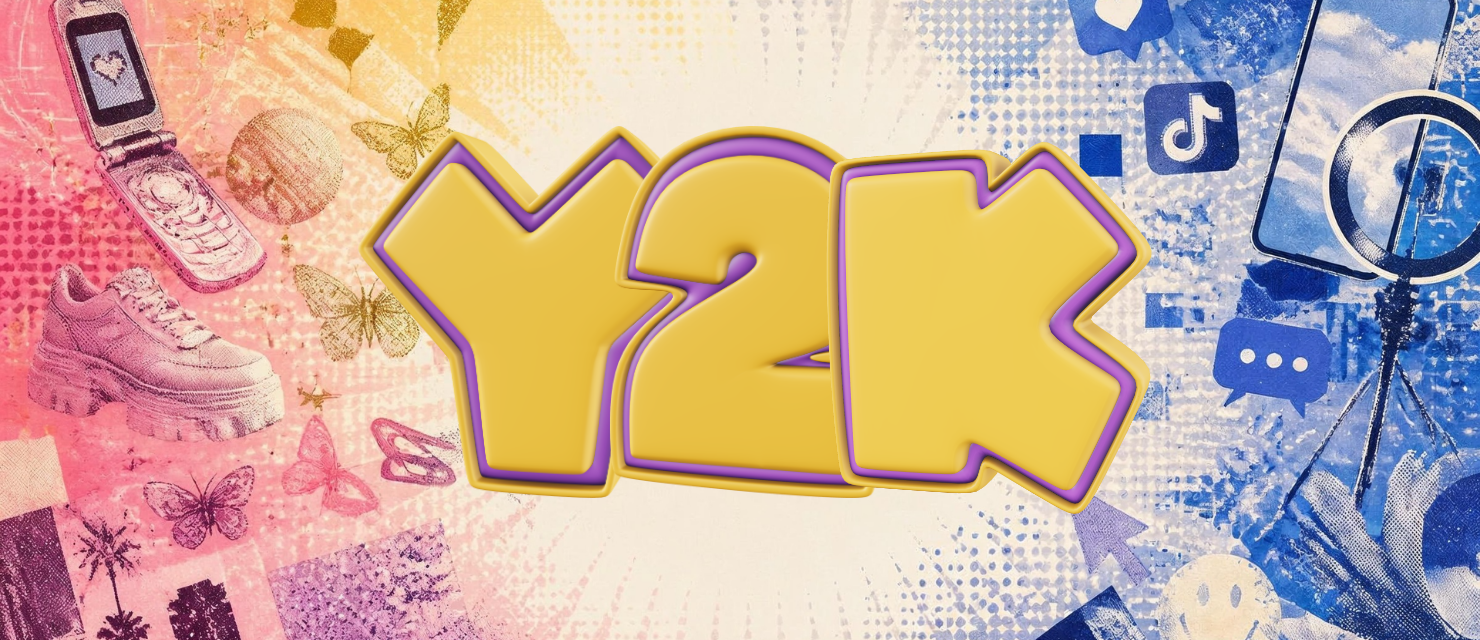
Y2K Is Back and Gen Z Never Lived It. That's Exactly Why It's Working.
Why it Matters
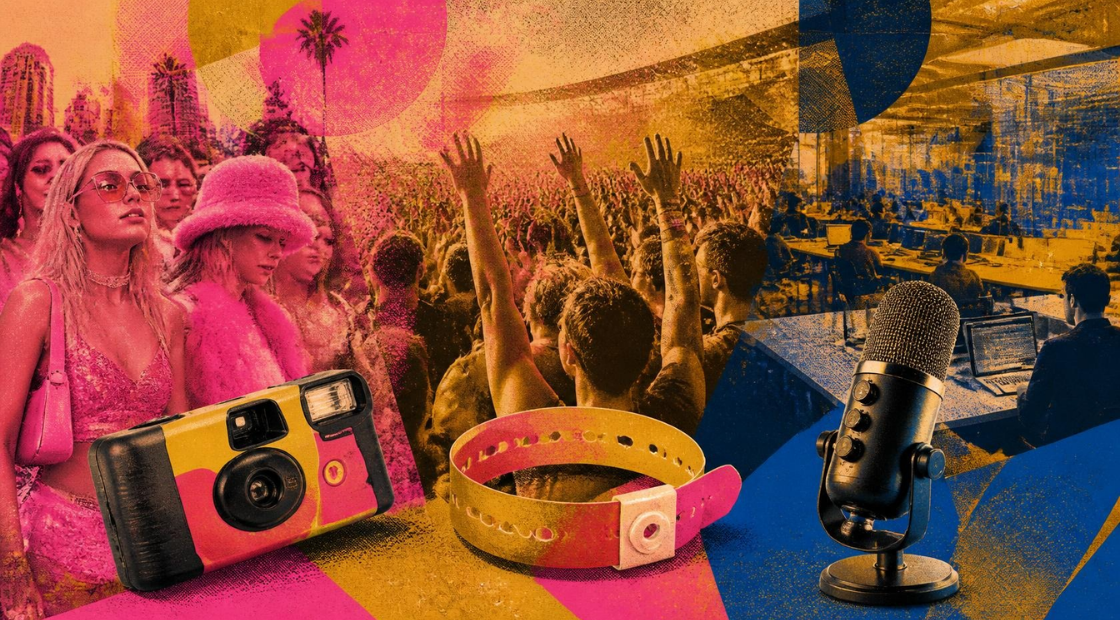
Nostalgia, right? The aggressive resurgence of Y2K-era branding, spearheaded by legacy brands like Gap, Coach, Bath & Body Works, and Pizza Hut, is turning heads in marketing strategy.
For over a decade, corporate strategists operated under the assumption that Gen Z was defined exclusively by hyper-digital fluency and digital experiences. Period. Today, that playbook has revealed itself to be structurally different.
In a media environment defined by feed fatigue, relentless algorithmic optimization, and synthetic content, Gen Z’s most potent cultural desire is "anemoia". A What? Yes, I didn’t know that term before. A deep, romanticized yearning for a pre-algorithm, analog era they never actually experienced.
Rather than simply selling retro clothes or relying on defensive corporate nostalgia, brands winning this cycle are good at creating a bridge between two distinct generational psyches. They are taking the emotional weight of "Millennial ache" and refactoring it through modern, Gen Z-native campaign infrastructure. And it works.
This cultural play, really positions the era's unpolished ethos as a functional antidote to modern digital anxiety.
Food for Thought
But one thing is important: nostalgia in a vacuum is dead weight.
The moment a brand relies purely on "remember when?" it fails. Because this bi-generational targeting can't only ask the consumer to look backwards. Many of them don't know what backwards looks like.
What you need instead is a familiar canvas. One that uses the aesthetic weight of a past era to frame a connecting, contemporary cultural hook.
The real thread win isn't "look at our heritage." It's "look how effortlessly our legacy assets elevate today's top-of-funnel culture."
Gen Z Didn't Come for the Game and Modern Sports PR Needs to Catch Up
Why it Matters
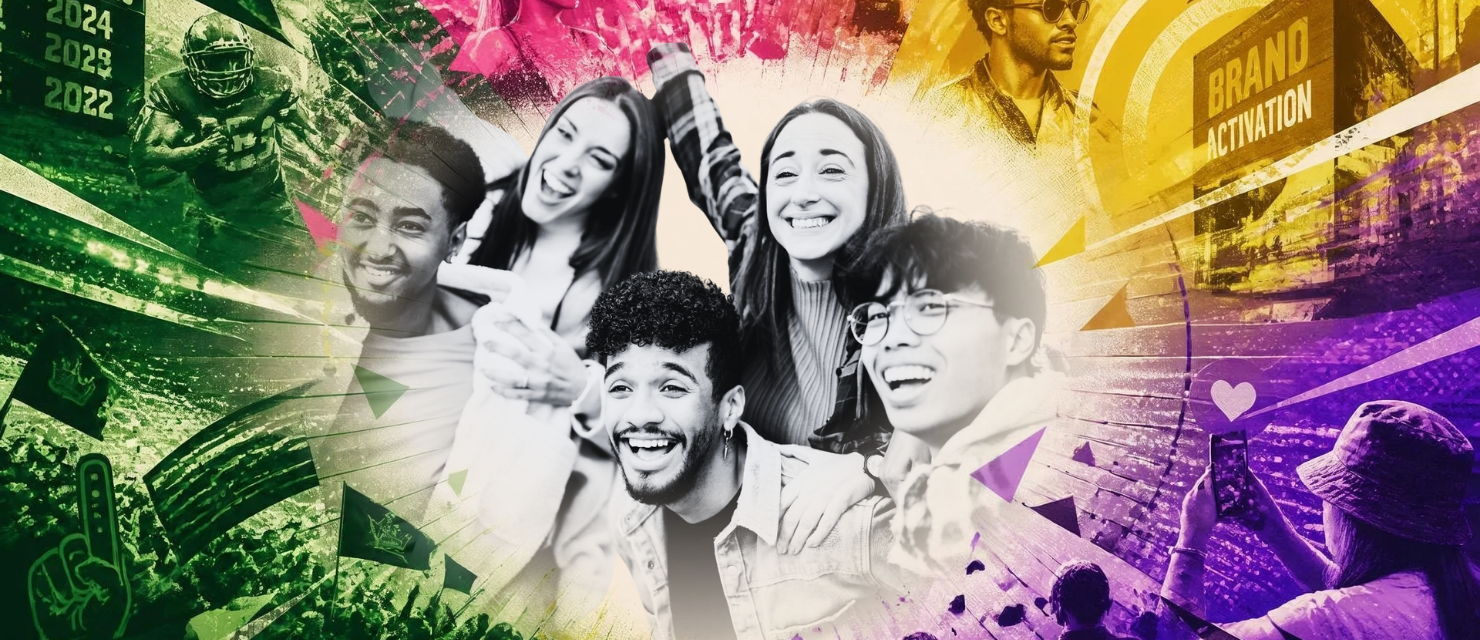
A study from USC Annenberg and the Acceleration Community of Companies reveals a fundamental shift in the mechanics of live sports publicity.
For what feels like forever, sports marketing operated under a simple premise: the game was the primary magnetic draw, while halftime shows, celebrity appearances, and brand activations were secondary enhancements. Welp.
According to the research, 78% of Gen Z attend live sporting events primarily for celebrity appearances, musical performances, or immersive brand activations rather than the game itself.
So there you go. While the game used to be the front door to fandom, for Gen Z it is often the last stop.
What does this mean for publicity and promotion? Simple: a fundamental reconfiguration of how sports IP achieves cultural cut-through.
Food for Thought
This seems simple on the surface. But it's genuinely eye-opening.
Forget jersey placements or stadium LED boards. (duh). We sort of already knew that wasn't enough. But if the goal is connecting with younger audiences, we must re-architect our promotional environments into multi-platform cultural tentpoles. Turning the athletic competition into a live backdrop for pop-culture storytelling, creator activations, and social currency.
And here's the detail that stuck with me: nearly 50% of younger Gen Z sports attendees are neither die-hard loyalists nor completely disinterested. They are casual cultural observers with no strong team allegiance and everything to be won over.
That leaves me with one clear thought. The goal of modern sports PR is no longer just convincing die-hard fans to buy tickets. It is giving casual cultural observers an unmissable reason to step inside the stadium gates.
Quote of the Week
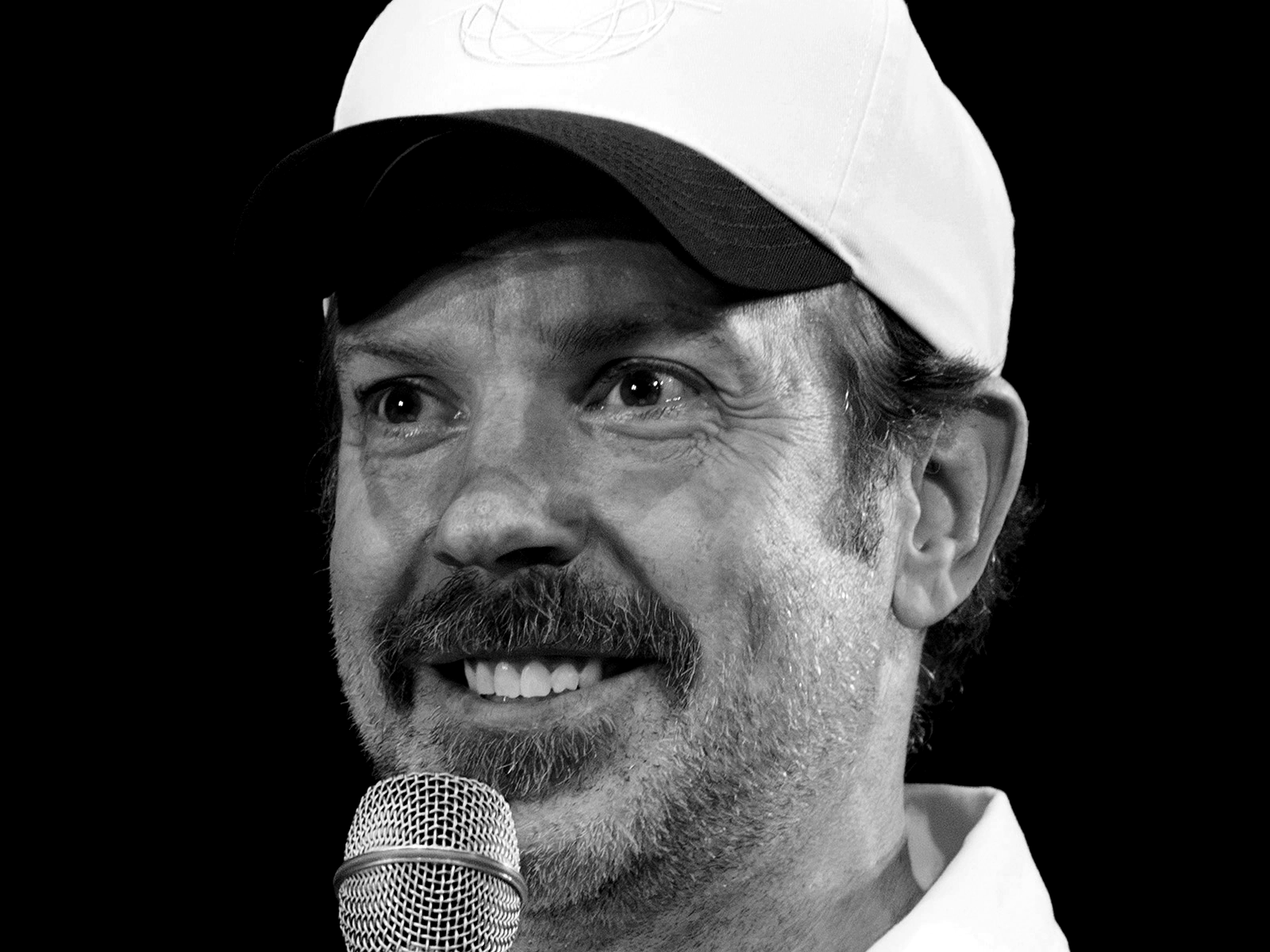
"It saved me, too.."
by Jason Sudeikis response when fans approach him to tell him that Ted Lasso helped save them during difficult times.
Zoom Just Hired a Media Voice. Now Who Runs the PR?
Why it Matters
For years, software giants treated creator partnerships and original content as peripheral marketing experiments. A novelty. Secondary to feature updates, enterprise sales cycles, and corporate earnings calls.
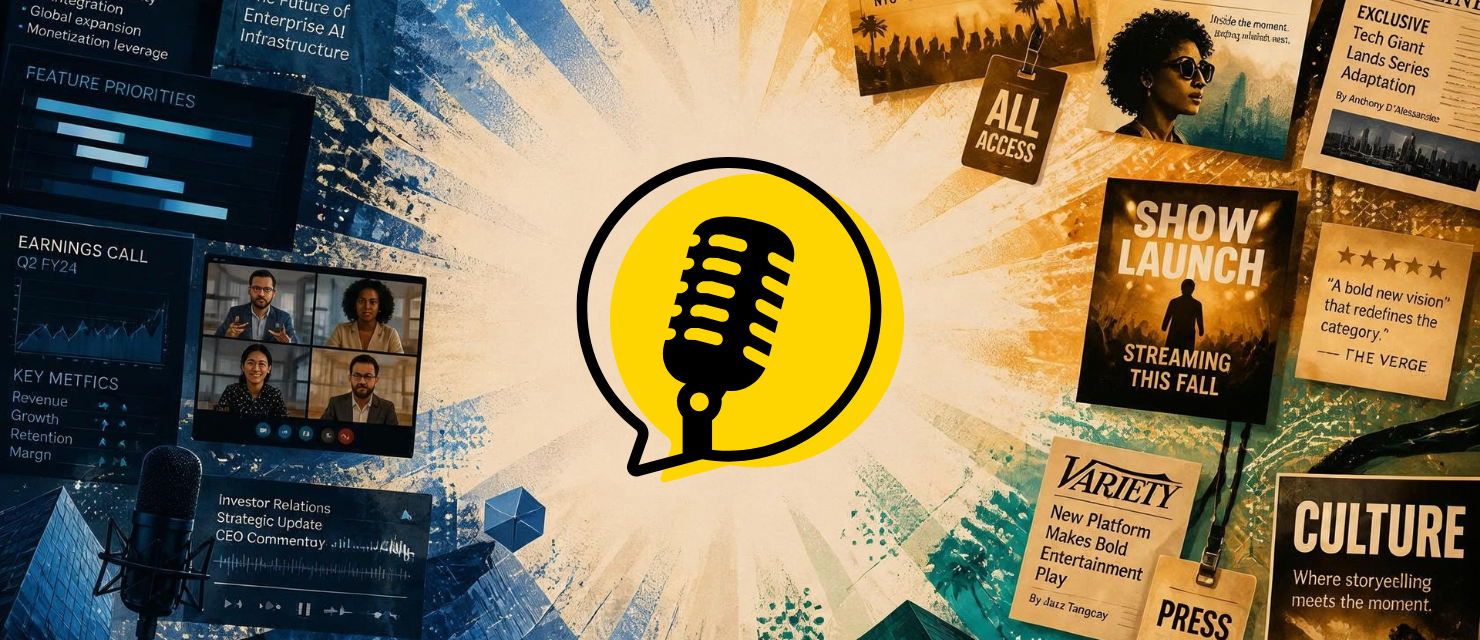
In 2026, as software features become increasingly commoditized, Zoom is attempting something more ambitious with prominent media voice and creator Nayeema Raza: transitioning from a passive channel into an active producer of high-value cultural media.
In an era where corporate communications are becoming too easy to ignore, the "become the media" destination is an interesting frontier to push toward.
Because the next frontier of tech branding isn't about pitching software functionality. It's about owning the editorial destination where high-level cultural, business, and media conversations actually take place.
Food for Thought
Can you imagine the publicity campaign for the launch of a new Zoom podcast or video series?
Until very recently, that sentence would have sounded like a fantasy. But becoming the media, launching content beyond core business, is becoming more visible by the day. Driven by brand plays, yes. But also by monetization.
Here's the real challenge. When a brand outside entertainment launches an entertainment-first initiative, they simply don't know how to do it. Enterprise tech communicators are built to pitch product roadmaps, earnings calls, and white papers. A show launch requires something entirely different: talent tours, culture newsletter placements, entertainment trade rollouts, and review seeds.
Two completely different PR architectures. And most tech comms teams only have one of them.
But this is becoming more and more common. And the brands that will succeed are the ones with enough PR architectural flexibility to understand that they need to onboard new skills permanently. Because this will not happen once. And tech culture is not treated the same as entertainment lore.
Other Facts this week
📺 Read why the cable news business model is fracturing — and what Fox, CNN, and MSNBC are doing to survive the shift away from traditional TV.
🏆 See what the World Cup's boldest marketing plays reveal about what separates a campaign that lands from one that misses entirely.