Wuthering Heights and Apple's Super Bowl Ad: Why the Best Brand Campaigns in 2026 Get Out of the Way

The Socially Combustible Wuthering Heights
Why it Matters
The success of Emerald Fennell’s Wuthering Heights is being hailed as the blueprint for the 2026 "Post-Streaming" era. The core takeaway? Theatricality is still pretty very alive. By famously walking away from a $150 million Netflix offer in favor of an $80 million theatrical deal with Warner Bros., LuckyChap (Margot Robbie’s production house) proved that a box office win is worth more in "brand equity" than a massive upfront check from a streamer. But this wasn't a success of "good filmmaking" alone; it was a success of Discourse Engineering. Fennell didn't set out to make a safe adaptation; she made a polarizing one. And as brand keepers, we are taught to avoid controversy, but in 2026, friction is fuel.
Food for Thought
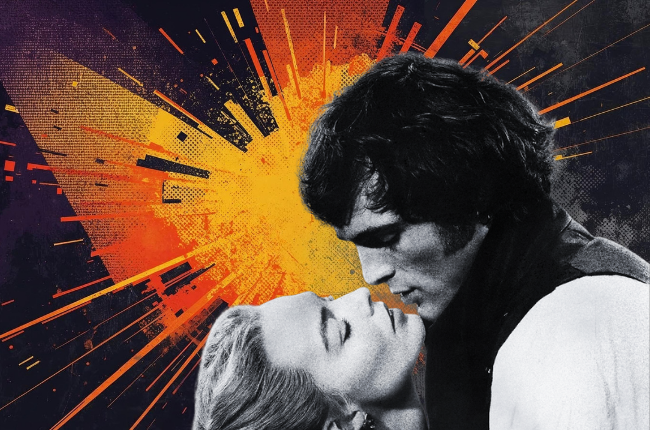
From the "V-Day Blitz" to the aggressive, high-contrast imagery, the campaign was designed to be polarizing. We could say it leaned into Jacob Elordi and Margot Robbie as "Vibe Assets" to create a specific, moody aesthetic that resonated with Gen Z and Alpha. The marketing didn't just tell you about the movie; it invited you to live in its world through fashion capsule collections and "steamed" stagecoach activations and even effectively achieving the "Barbie-Wicked-fication" of brand partnerships without ever having to say it.
If you ask me, this leaves us with a lingering question… should we stop being "stodgy" and start being "combustible" for certain IPs? For Emerald Fennell, this approach allowed her to own the cultural conversation. Actually, a cultural vibe. Taking a page from her book: if you dare to be polarizing, you become the event.
Culture "Shot on iPhone"
Why it Matters
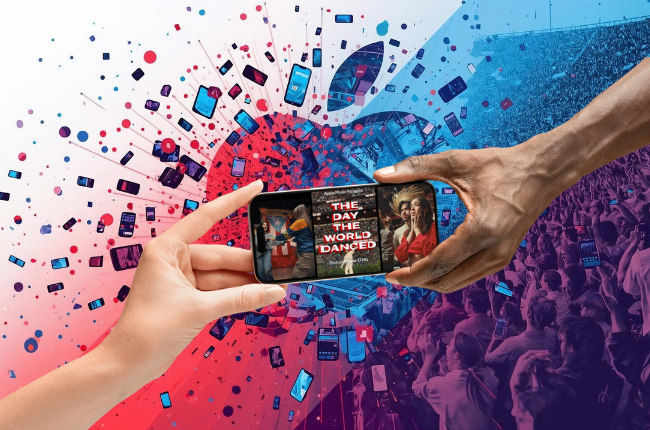
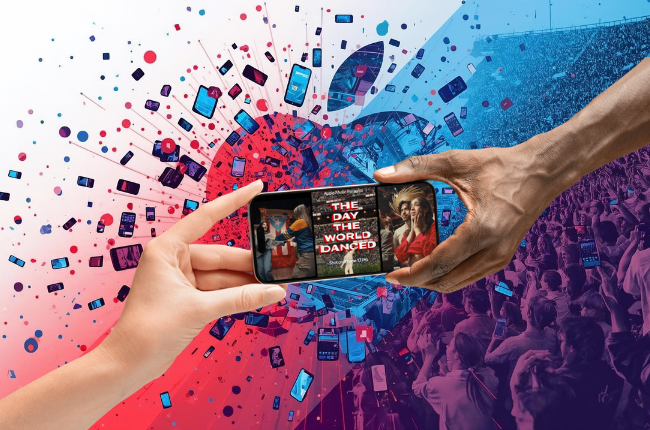
If you ask me, "Shot on iPhone" has long been one of the most coveted and effective campaigns in marketing history. It is the epitome of "Show, Don't Tell." But during Super Bowl LX, Apple continued to evolve the playbook in a way most maybe didn’t notice. They moved the needle with Feature-Led Storytelling at its peak.
The brilliance here is how Apple used Culture as a Feature. By aggregating fan-shot footage from the stands and across the globe into a cohesive narrative, Apple turned the audience into a decentralized production crew. And they validated the Audience as Ambassador model on a massive, global scale. Hence, why I believe this is much more relevant and important than it looks like.
Food for Thought
Maybe I'm reading too much into it. But I believe authenticity is always the only way forward.
Apple proves this better than anyone. They are the ultimate "Prestige for the Masses" brand, yet they stay relevant by knowing exactly when to get out of the way. It would have been predictable to shoot the concert on iPhone, or drop a BTS ad around it. Instead, they let a culturally specific vibe redefine what an Apple story could look like. Not through Bad Bunny. Through the lens of his culture.
This campaign operated on a simple but powerful understanding. The product and/or the star are not the heroes. They are the tools that allow the real hero to shine: the consumer, capturing the moment, owning the culture. The reaction. The reality. The rawness.
In a world where AI and image processing keep challenging what a "photo" even means, this campaign leaned all the way in. It sold something harder to replicate than a feature. It sold the "Audacity to Capture." The feeling of: this is us. This is me. This is my culture. Not my art, but my vibe. And to be honest, that's the most powerful reminder I can think of. The best way to showcase what a product can do is to let it live in the wild, powered by the hands of the fans.
Quote of the Week
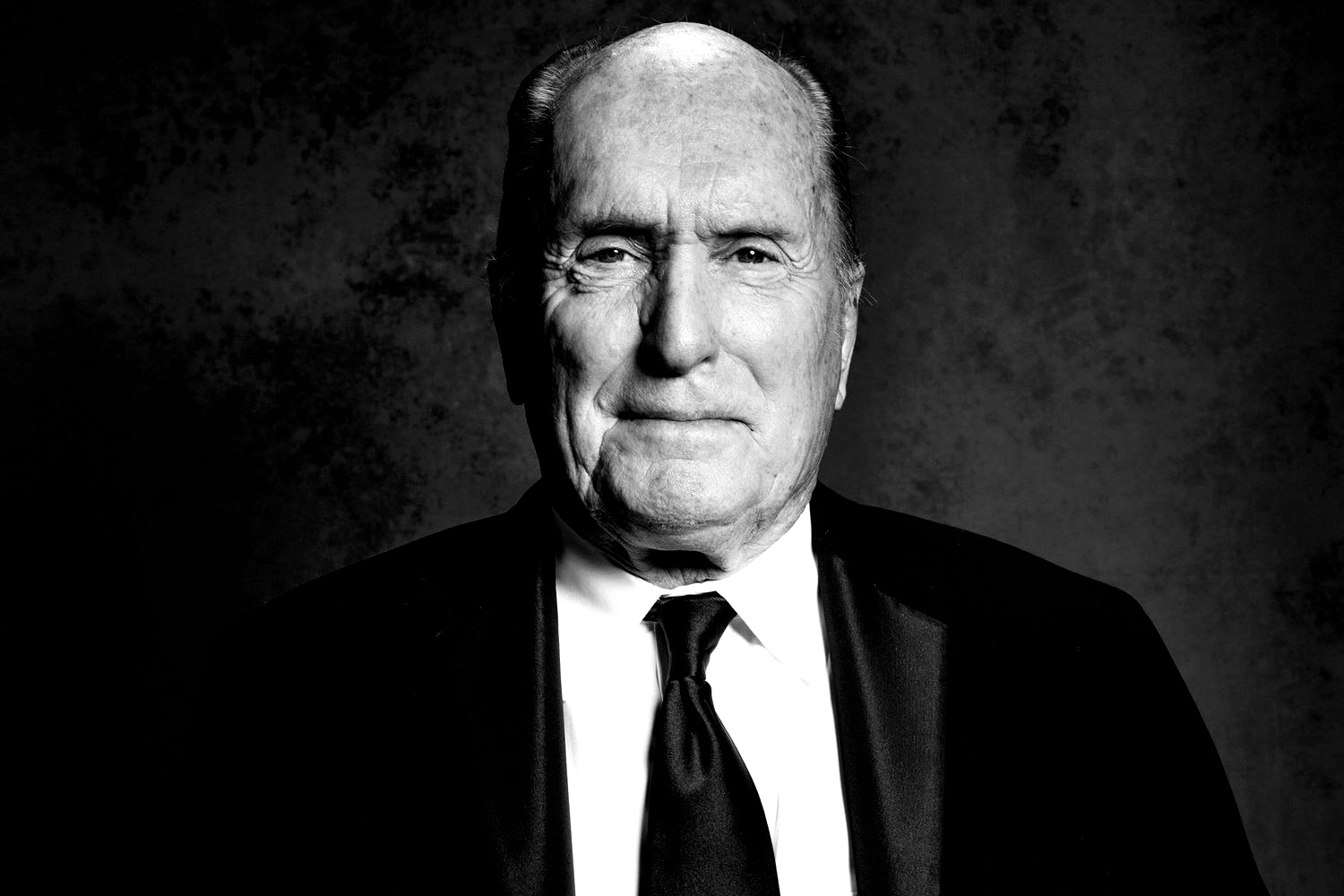
"But for me, the challenge is how you turn a character into behavior. Once the director says 'action', you just try to live between those two worlds.” — Robert Duvall
Other Facts this week
🎬 Check how Universal's top exec thinks about franchise fatigue, IP velocity, and the creative cost of guaranteed wins.
🏛️ Worth a look: WSJ maps the real places behind Hollywood's most mythic locations just because your audience craves backstory, not just product.