The BAFTAs, Netflix, and NBC's Centennial: Why the Winning Brand Strategy in 2026 Is Restraint Over Reach

BAFTA’s and Why Going Hyper-Local Is the New Global Strategy
Why it Matters
While many global awards ceremonies are currently struggling to find their footing by trying to be everything to everyone, the 2026 BAFTAs doubled down on being Hyper-Local. Instead of diluting the ceremony for a global streaming audience, host Alan Cumming leaned into the "Britishness" of the brand, literally handing out Scampi Fries, Hula Hoops, and Jammie Dodgers to Hollywood titans like Timothée Chalamet and Emma Stone.
This wasn’t just a bit; it was a twist to Brand Export. By approaching the biggest stars in the world to interact with niche British culture, the BAFTAs created a high-contrast "moment" that traveled further on social media than any polished acceptance speech. It proves that the more specific you are to your own roots, the more "shareable" you become on a global stage.
Food for Thought
In a world of "Prestige for the Masses," we often think that to reach a global audience, we have to strip away the local "flavor" to make it digestible. The BAFTAs proved the opposite. The "moment value" here survived the scroll because it was absurdly specific. It took a high-glamour event and injected it with a "micro-texture" of everyday British life. For marketers, the lesson is clear: Friction is a multiplier. If the BAFTAs had tried to look exactly like the Oscars, they would have just been "the British Oscars." Instead, they leaned into being the "BAFTAs", the place where Hollywood’s elite has to grapple with the reality of a Jammie Dodger.
In 2026, you don't win by being a "Global Brand" in the generic sense. You win by being a "Local Brand" that the world wants to visit. The message of strength in unity wasn't carried through a preachy speech; it was carried through a shared, slightly messy cultural experience.
Culture Is Not a Channel: Netflix's Understands What Most Brands Won't Admit
Why it Matters
"Fandom doesn't turn off after you've binged a show." That single line from Netflix CMO Marian Lee, in a recent Adweek conversation, is deceptively clean. It is also the sharpest articulation of what separates a media company with real cultural weight from one that merely has subscribers.
KPop Demon Hunters got a full IRL fan activation before it became a hit. Gatorade entered the Upside Down as a brand partner in Stranger Things' final season. Netflix Houses opened in Dallas and Philadelphia, turning fandom into a physical space fans could walk through and touch. None of this is accidental. Lee calls it a "Flexibility First" approach: build for fandom, and the metrics follow. Not the other way around.
For communicators, the structural lesson is this: "Culture is not a channel." Netflix is not selling shows. It is building worlds people want to live inside. One requires a campaign. The other requires a philosophy. The difference is not semantic. It is everything.
Food for Thought
Here's what I think the industry is (maybe too quietly) sitting with: if culture-led brand growth is the standard at Netflix, what does it mean for brands that don't have the IP to anchor it? Lee's model works, in part, because Netflix owns the stories. The fandom already exists. The brand's job is to tend it, extend it, and protect it like a custodian, not manufacture it from scratch.
But I think Netflix understands something most brand marketers still resist: people don't engage with content. They adopt it as part of who they are. The funnel was never the problem. The question was always whether the product was worth fanning over. Netflix answered that question first, and built the marketing strategy second. That sequence is the whole lesson.
Quote of the Week
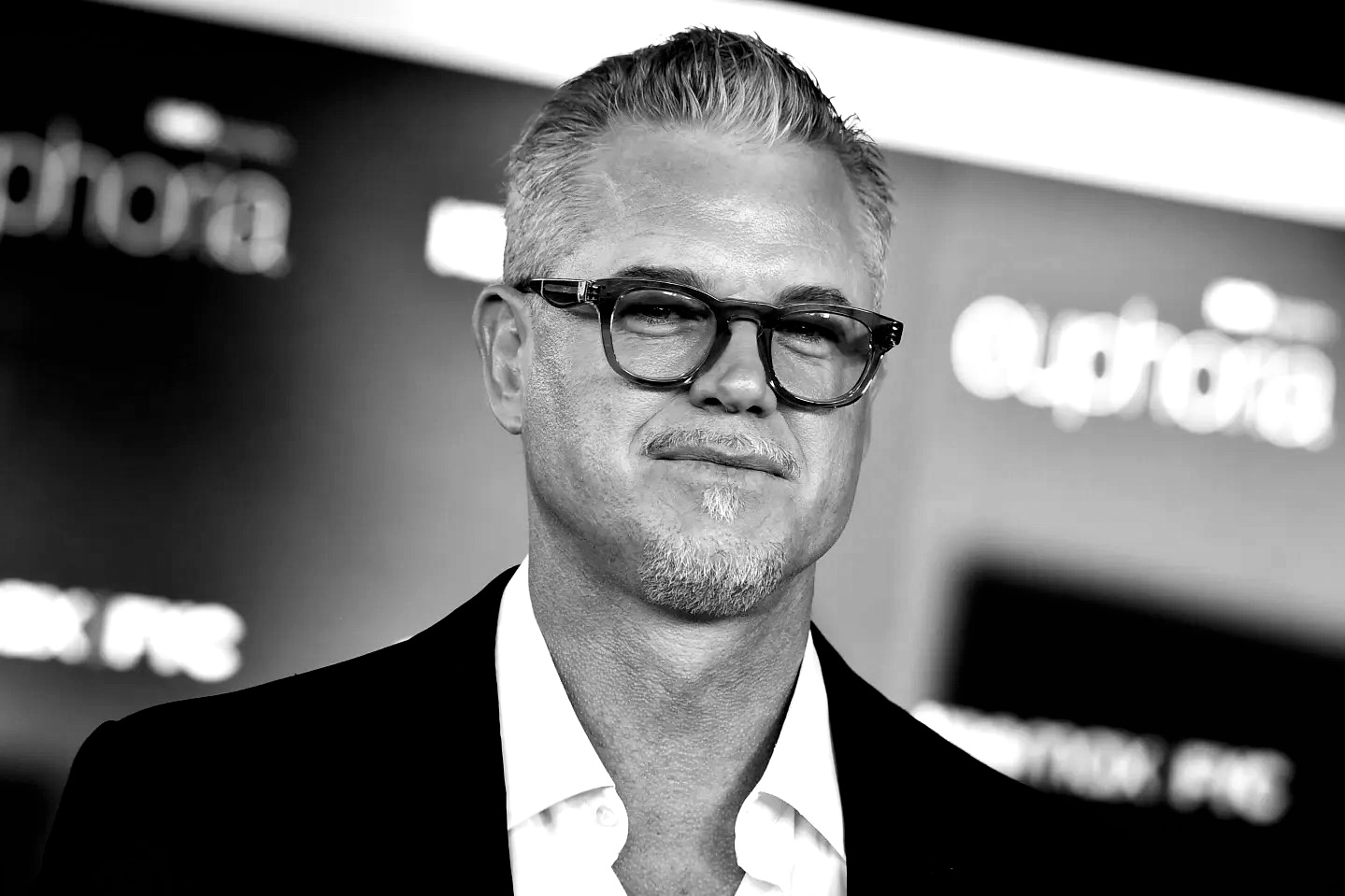
"The past contains regrets. The future remains unknown. So you have to live now. The present is all you have. Treasure it.” — Eric Dane on the special interview documentary with Netflix.
How NBC’s messaging is intentionally building for the next 100 years
Why it Matters
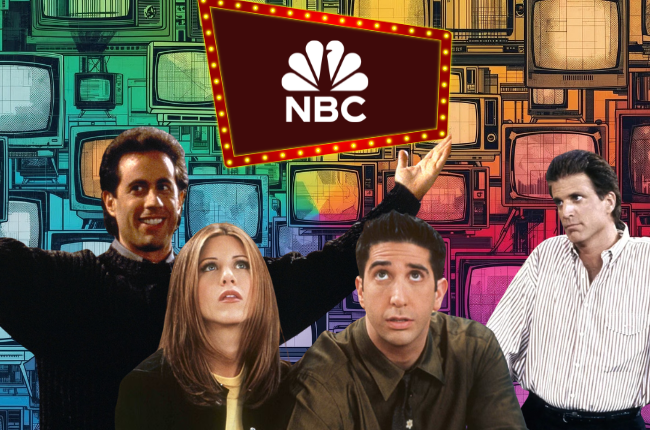
NBC is turning 100 in 2026. Friends, Seinfeld, Cheers, ER, 30 Rock all born from a single pilot episode that someone, somewhere, decided was worth the bet. Now, in its centennial year, the network is doing something that feels almost radical against the backdrop of a decade of streaming excess: it's going back to basics. Eight pilot orders. Five dramas, three comedies. What’s interesting to me is the message architecture. Let's call this what it is: a "Restraint as Strategy" play, packaged as creative confidence. As a communicator, this is my move: when you have less to spend, frame it as a way to authentically show value even if it doesn't look like it on the surface. Build a narrative around intentionality instead. NBC isn't doing fewer things. It's doing the right things, on purpose.
Food for Thought
Here's the "micro-texture" (a new favorite word) that most people are missing: this is more than just a broadcast TV story. In a market conditioned by "drop culture", where audiences expect full seasons to arrive fully formed, the narrative was always on “binge-ing”.
Now, I celebrate that somebody is trying not to chase but to redefine. The story is the rediscovery of patience as an intentional market correction. For a network celebrating a centennial of hits, institutional patience is the one thing the algorithm cannot replicate and the one thing a legacy narrative can always rely on. NBC is just narrating their own reality, and giving it a spin. But I also think that, maybe, unintentionally they are pushing for the "slow build" as the only sustainable way to build a brand that lasts another hundred years.
Other Facts this week
📺 Check how social media is now determining what becomes a hit show—engagement data is the new Nielsen rating.
🎵 Liquid Death and Spotify teamed up to let you pre-program your afterlife playlist?