Streaming Got Older. Sports Got Bigger. Ads Got Emotional. The 2026 Entertainment Reset Is Here.

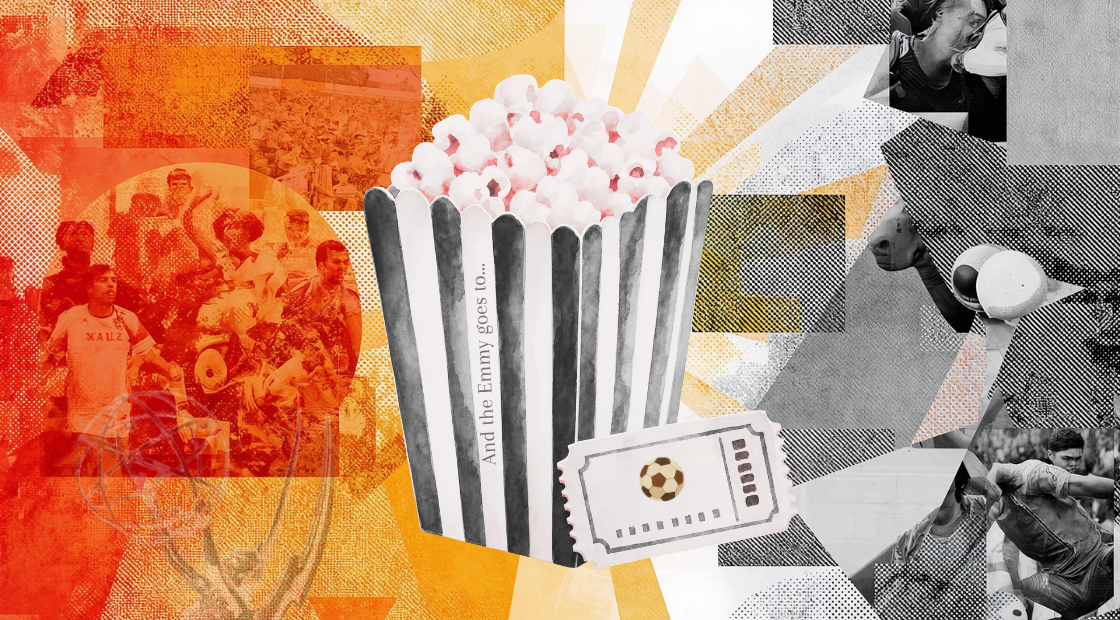
Streaming Is Getting Older. Publicity Needs to Catch Up
Why it Matters
The revelation that streaming audiences are rapidly aging, inching closer to the historic demographic profile of legacy linear television, represents a wow shift for the digital entertainment.
For over a decade, there was a singular promise: streaming platforms were the exclusive, tech-forward sanctuary for the younger cord-cutting demographics that traditional TV had lost. Today, that premise has dissolved.
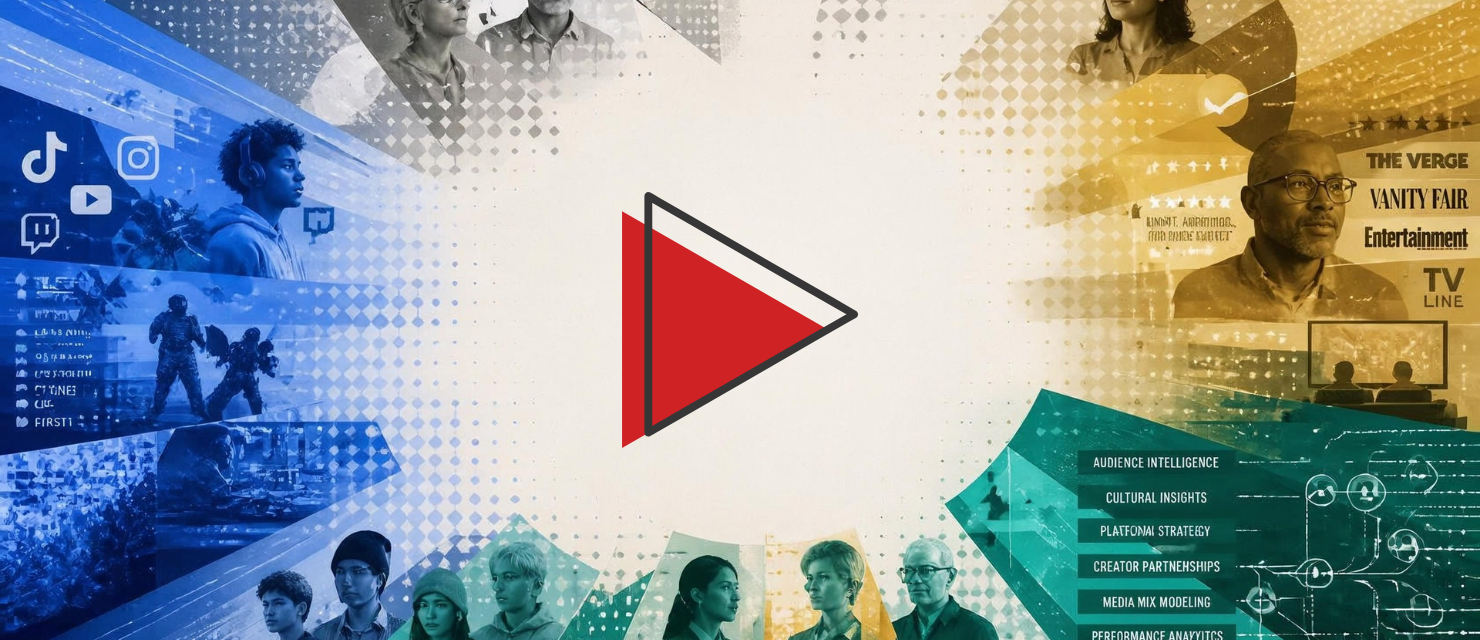
As the median age of SVOD subscribers climbs, platforms are discovering that younger cohorts aren't just cutting cords. They are actively favoring UGC feeds, gaming, and creator-led platforms instead.
That forces both content strategy and promotion to pivot their narrative away from "disrupting legacy habits for the youth" toward "monetizing high-volume, mature households."
In other words, a seismic re-evaluation of what SVOD's long-term cultural footprint actually looks like.
Food for Thought
What does this mean for publicists? First, don't panic. This should feel liberating.
The true strength of a modern promotional infrastructure is its ability to execute a single campaign across completely separate generational tracks simultaneously. For the aging demographic, the promotional engine works on high-visibility platforms, trusted critical reviews, and targeted outlets that emphasize comfort, prestige, and reliability. While for younger demographics, the exact same property is marketed off-platform through experiential stunts, hyper-targeted social clips, and interactive digital ecosystems.
The streamer that wins, is the streamer that pushes out a campaign infrastructure sophisticated enough to hit both demographics with tailored precision. Why? Because in this polarized demographic landscape, treating content and therefore campaigns like a monolith is a fatal strategic error. You have to look at campaigns as a customized promotional matrix. True engagement relies on understanding that you aren't running one unified campaign. You are managing a portfolio of highly specific, localized subcultural lanes. Knowing how to artistically articulate them to create authentic resonance in each moment is what will continue separating engaging campaigns from ephemeral ones.
The 2026 World Cup Killed the Summer Blockbuster
Why it Matters
Sports. The rapid transition of live sports into the primary anchoring engine of major media content strategies is the entertainment business of today.
Really, the concept of a "summer blockbuster" was simply how summer worked. Driven by star-studded red carpets, massive budgets, and cultural domination built inside movie theaters.
In 2026, as Hollywood's reliance on soft-performing franchise sequels (hmm.. Moana) collides with skyrocketing sports viewership, the script has been completely flipped. And yes, they could be easily anomalies. But I also think they're symptoms.
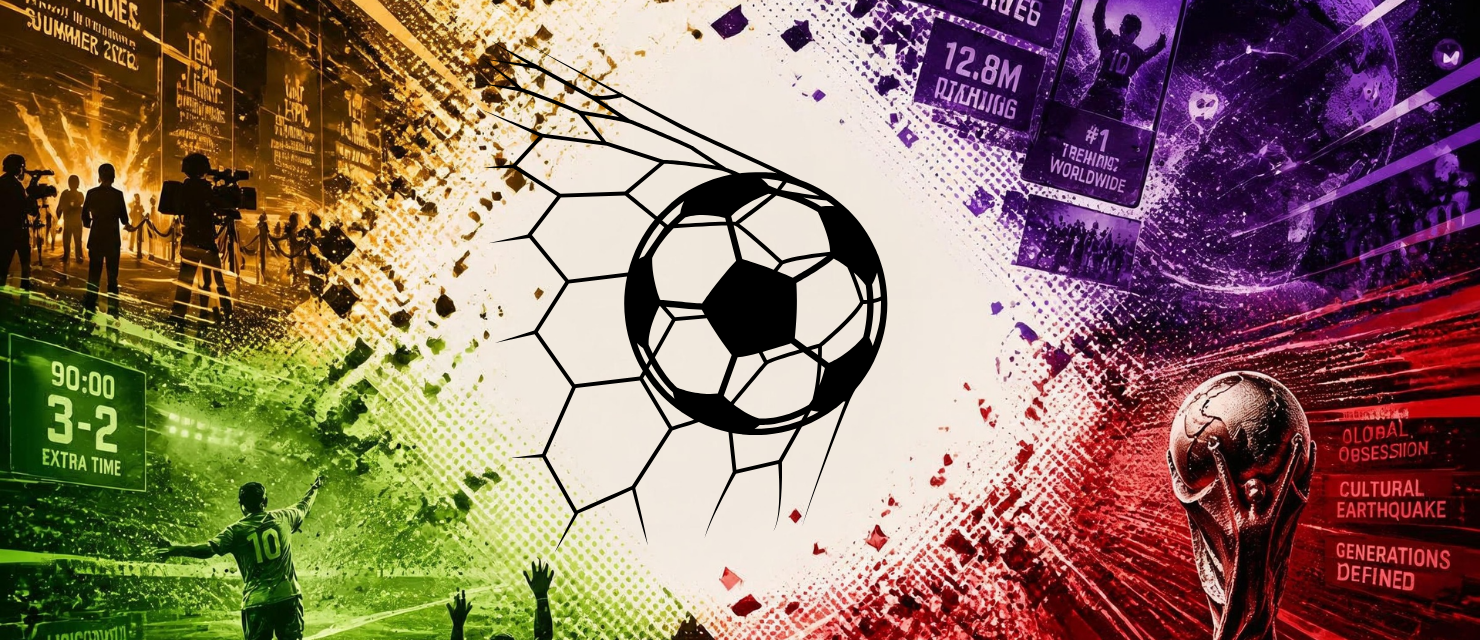
Entertainment conglomerates this year are realizing that the ultimate summer event is no longer a fictional cinematic universe. It is the raw, unscripted drama of the 2026 World Cup. Around the world we knew, but America didn’t realize this.
From a PR and branding perspective: do you actually know how to promote sports IP? Because live sports are no longer just a programming category. They have officially inherited the gravitational pull of the Hollywood blockbuster. So why would you not treat it the same way?
Food for Thought
Sports publicists are built different.
Unlike a scripted Hollywood movie with a fixed, highly controlled rollout schedule, sports IP publicity is entirely dynamic, volatile, and unscripted. You cannot control the final score. You cannot control on-field behavior. The traditional rigid press approach simply will not work.
PR teams must build hyper-flexible promotional frameworks engineered to react instantly to live broadcasts. To victories, to losses. To heroes and villains.
Modern sports publicity belongs to the teams and fans that can take a viral, unscripted moment on the field and instantly transform it into a coordinated, multi-platform brand activation within minutes, turning really into permanent cultural lore.
Just look at this World Cup. Telemundo killing it. Vozinha becoming the king of hearts of an entire planet. Messi's Argentina suffering like no one else can, and somehow making that suffering the engine of every comeback.
None of that was planned. All of it became unforgettable.
Quote of the Week
"You are unique. There is only one you. And that is you there, right here, for better or worse. Except that there is no better, and there is no worse. It's just you."
by Sam Neill

From Just Do It to Why Do It: What the 2026 Emmy Ad Shortlist Says About Creative
Why it Matters
Six ads are competing for Outstanding Commercial at the 2026 Emmy Awards. Nike, Apple twice, Adidas, Levi's, and Coinbase. And when you look at them as a collective, they tell you everything about where commercial creativity is now and probably heading.
That’s my reason why (choosing this story)
Clearly, not one of them is selling a product. Every single one is selling a feeling, a belief, or a cultural permission slip.
What tells, is that the throughline is unmistakable. The brands that earned Emmy consideration in 2026 didn't brief their agencies on product features. They briefed them on human truth.
Food for Thought
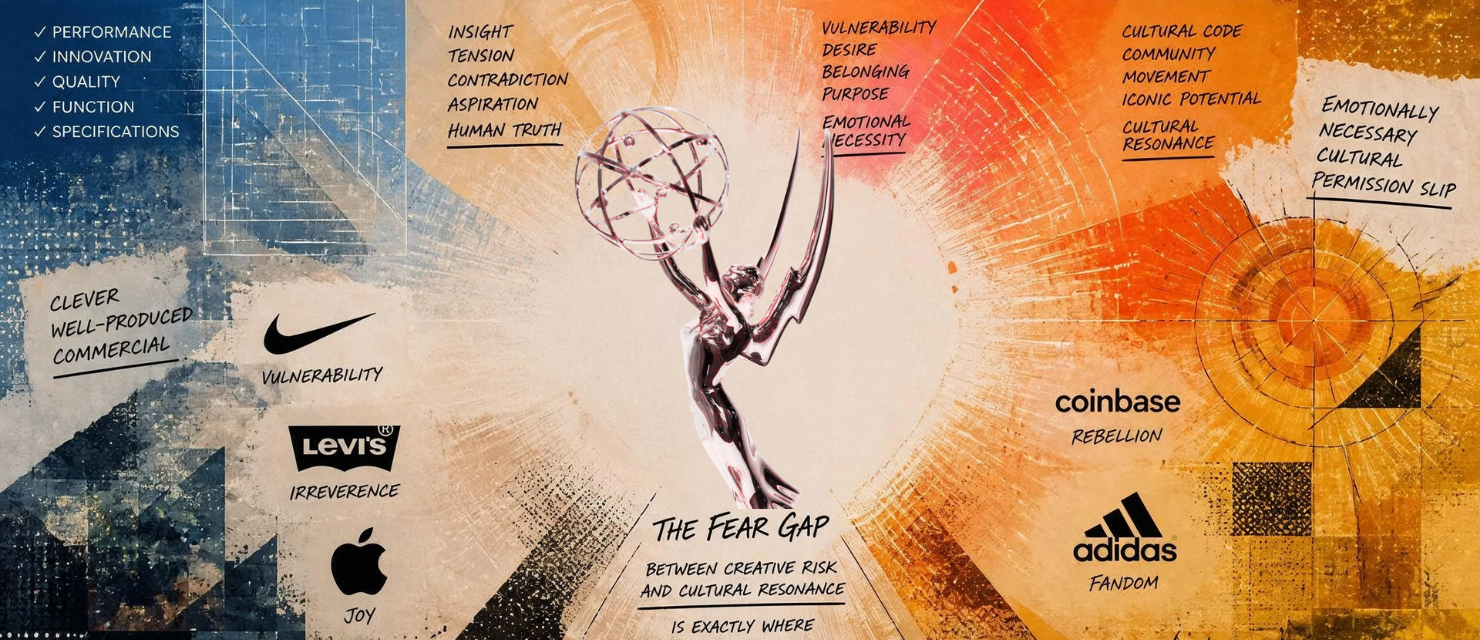
So for me the commercial bar for work has changed. An ad no longer earns cultural recognition by being clever or well-produced. It earns it by being emotionally necessary.
And for brands, the commercial alwasd had an emotional anchor: Levi's chose irreverence over nostalgia. Nike chose vulnerability over aspiration. Coinbase chose rebellion over reassurance. Apple chose joy over capability. Adidas chose fandom over advertising.
Each of them made a creative choice that felt risky. That gap between fear and cultural resonance is exactly where the best brand work lives.
The question worth asking next is: if it were submitted to this shortlist, what human truth would it be nominated for?
Other Facts this week
🚨 Read why four common marketing moves: discounting, trend-chasing, channel overload can quietly erode the brand equity you've spent years building.
🐊 Steal this: Crocs turned a polarizing clog into a cultural icon by leaning into the weird, not away from it. Here's the actual strategy behind the takeover.
⌚ See what Swatch's CEO reveals about the Royal Pop launch, the chaos wasn't a mistake, it was the whole point.
🕷️ Check how Liquid I.V. is moving beyond sponsorships and into co-created storytelling using a Spider-Man partnership to redefine what brand entertainment actually looks like.