Samsung TV Plus, Brand Culture, and Formula E on Disney+: Where You Show Up Is the Strategy

Samsung TV Plus Is Hollywood's New Pre-Release Window. Is Your Campaign Built for It?
Why it Matters
AI is making everything look the same. And brands are responding by going somewhere AI can't easily follow: culture.
Lemonade launched graffiti-like billboards across multiple cities this summer, deliberately sloppy by design. Sprite is leaning into three decades of hip-hop credibility built on actually serving the culture rather than borrowing from it. Duolingo made a Japanese animated series on YouTube because its users were already learning Japanese to watch anime.
Three completely different brands. Three completely different cultural entry points. One shared strategic instinct: the only way to cut through a sea of AI-generated sameness is to show up somewhere that feels genuinely human.
For communicators, this is both a validation and a warning. The brands winning this moment aren't the ones with the biggest budgets or the most sophisticated PR architecture. They're the ones that understood a culture deeply enough to participate in it without exploiting it.
Food for Thought
The line between cultural participation and cultural exploitation has always existed. In 2026, with audiences more literate than ever in brand mechanics, that line has become a razor's edge.
That fine line is defined by serving as a platform for a culture, not taking from it. And this distinction means different things for different brands, because cultural signals are equally diverse.
But one thing is consistent. You don't invent a cultural connection. You observe one that already exists in your own community and follow it. That's the role communications has to play inside organizations: maintaining a genuine pulse on where cultural conversations are already happening and identifying where there's an authentic opening for the brand to enter.
So authentic to the brand that the consumer sees themselves reflected back in it.
That intersection doesn't come from a room. It comes from actually knowing the community.
The Only Way Through AI-Generated Sameness Is Culture
Why it Matters
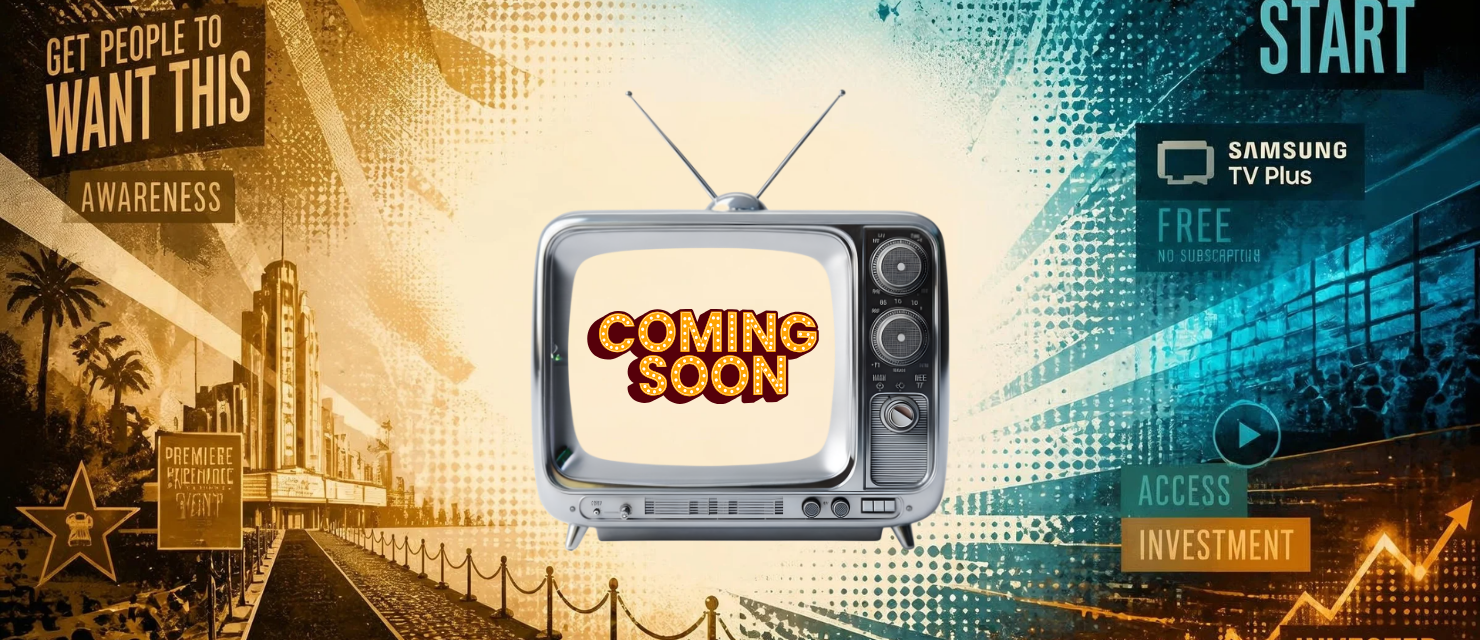
Samsung TV Plus is a new promotional window. And the model is straightforward in theory and radical in practice.
Before The Rings of Power Season 2 launched on Prime Video, Samsung made the entire first season free on its platform. Before Fallout Season 2, same play. Before The Hunger Games: Sunrise on the Reaping hits theaters in November, a dedicated franchise channel ran free on Samsung sets for two weeks in the US.
This isn't sampling. This isn't a trailer. This is the program itself functioning as the marketing campaign. And honestly, this isn't entirely new. Streamers have always highlighted previous seasons ahead of a new release, or curated film collections ahead of a premiere. But what Samsung is doing is something different in scale and in kind for sure, leveraging their base and FAST channels.
For decades, Hollywood's promotional architecture operated on a simple premise: you create awareness of the thing, then you sell access to the thing. Samsung TV Plus is a validation that controlling the television interface itself has become just as strategically valuable as controlling the content. Ask Fox about the $22 billion it just paid for Roku if you need confirmation.
Food for Thought
But you're wondering: why should I care as a publicist or marketer?
Because we are watching the emergence of a new pre-release window. Not a screening. Not a press event. A fully distributed, free, ad-supported viewing experience engineered to convert cold audiences into invested viewers before the thing you actually want to sell goes live.
So the lingering question today is: is your campaign architecture even designed to use it?
Because you're no longer asking "how do we get people to want to watch this?" You're asking "how do we get people to start?" And that changes everything.
Those are very different questions. And they require very different answers.
Quote of the Week
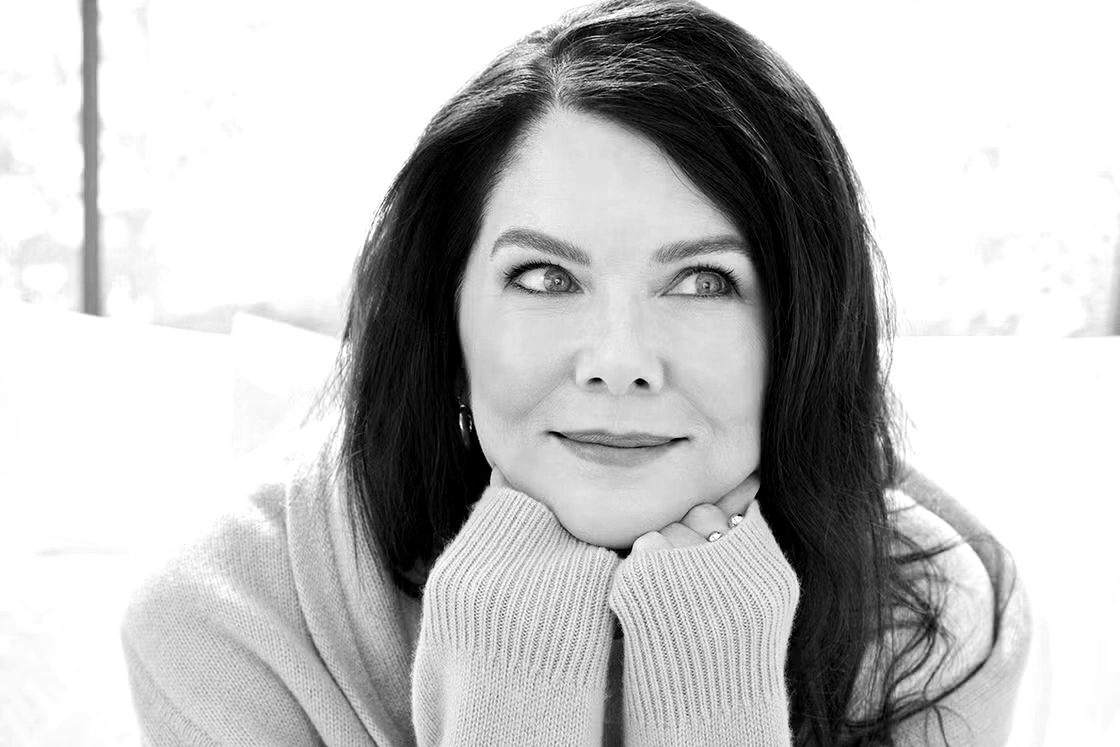
"Oh hey, hi… we’re making a documentary"
by Lauren Graham had something to say about HBOMax’s ‘Gilmore Girls’ documentary
Formula E's Disney+ Deal Isn't a Rights Agreement. It's a Repositioning Vehicle.
Why it Matters
Formula E just landed on Disney+. And the announcement happened as a direct answer to where the problem actually was: coverage.
Two drivers in the studio of Good Morning America, in front of millions of US consumers who had never watched a Formula E race in their lives. That's not an accident. That's a positioning decision.
For years, Formula E had a credibility problem that had nothing to do with the racing. The product was genuinely good. The technology story was compelling. Sustainability as a sport identity was ahead of its time. But none of it mattered because nobody could easily find it. Porsche said it plainly: broadcasting coverage was "one of the first points that we need to improve." That's a manufacturer telling you the product isn't the problem. The distribution is.
But now that's solved. Or is it?
Food for Thought
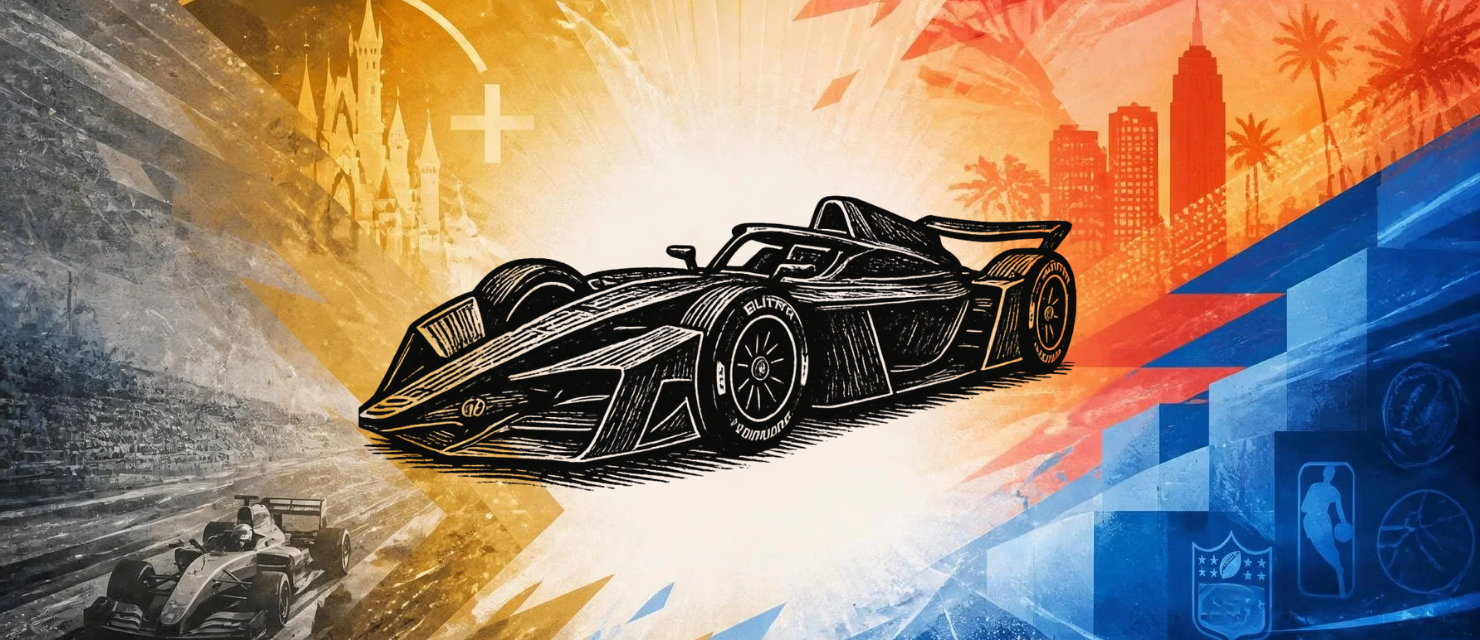
The announcement itself is also a statement. Formula E didn't just land on Disney+. They announced it through a mainstream American morning show, to an audience that associates Disney+ with premium, family-friendly, globally relevant entertainment. That choice tells you exactly how Formula E wants to be positioned going into its Gen4 era: not as a niche electric racing series for enthusiasts, but as a premium global sport worthy of the same streaming home as the NFL, the NBA, and the biggest entertainment franchises on the planet.
For communicators, the lesson here is about sequencing. The Disney deal isn't just a rights agreement. It's a repositioning vehicle. The distribution change is the news. But the brand elevation is the strategy. And Formula E signaled that to the entire market, sponsors, manufacturers, potential fans, and competing series, exactly which tier it intends to occupy.
Where you announce something is as much a brand statement as what you announce. Formula E just made both simultaneously.
Other Facts this week
📺 Read why local TV stations are rebuilding their entire newsroom workflows around TikTok — and why trusted journalism showing up in an algorithmic feed might be the only way to reach Gen Z before they're gone forever.
📸 See Instagram's first logo redesign in 10 years — the internet is already calling it "Instagzam," and the brand lesson about touching something iconic is already writing itself.
🎬 Discover why Los Angeles cinemas are coming back in a big way — the Bruin is reopening, the Cinerama Dome is returning under Sony and Alamo Drafthouse, and the city that builds movies is betting on the room again.