Nikki Glaser Read the Room. Polymarket Didn't. What the Golden Globes Taught Brands About Cultural Fit in 2026

Polymarket’s Red Carpet Crash at the Globes
Why it Matters
Polymarket missed the point last weekend at the Golden Globes. Innovation on paper doesn’t necessarily prove the point. The crypto-based prediction platform didn't just buy ad space during the ceremony. They bought noise. And that just felt wrong - even though they took a victory lap and that’s ok.
Throughout the broadcast, live betting odds for categories like "Best Drama" appeared on-screen in real-time tickers.The backlash was immediate and visceral. Viewers described the integration as "dystopian," not because the ads were annoying, but because the **mechanic** felt wrong. By placing a probability percentage next to a piece of art, the broadcast stripped the ceremony of its "magic" and replaced it with cold, hard statistics. It wasn't a celebration of cinema. It was a celebration of the spread.
Food for Thought
But hear me out: I don’t think Polymarket failed at its core function (validating predictions). It failed because it fundamentally misunderstood the room. The branding mistake here was a massive Cultural Misalignment.
Sports betting works because sports are objective; the ball goes in the net or it doesn't. Art awards are inherently subjective and emotional. We watch to see a human moment, not a statistical probability. When you slap a betting line on a "Best Actress" speech, you create cognitive dissonance. You are applying the cynical logic of a trading floor to the emotional logic of a theater. I know, we can argue sports are also emotional. But here the audience recoiled because the ticker implied that the "winner" is just a data point to be arbitraged, rather than a performance to be honored. On paper, it was a smart integration. In reality, it was a fatal cultural misalignment of art and money.
Nikki Glaser’s "Safe Danger" Learnings
Why it Matters
Hosting an awards show is widely considered a dangerous job in Hollywood. You typically have two options: play it safe and bore the internet, or go nuclear and lose the room.
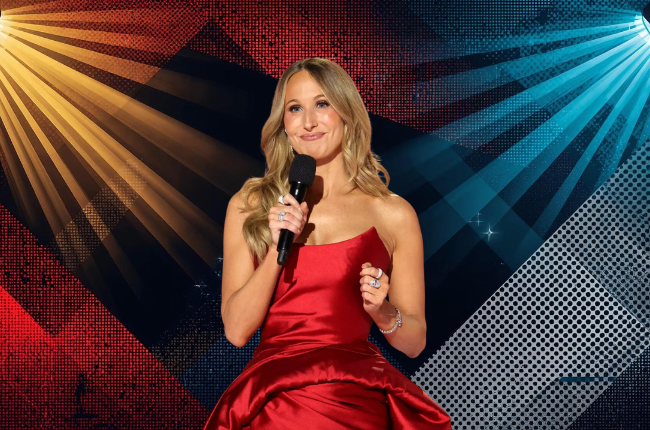
This weekend, Nikki Glaser proved for the second year in a row that there is a third option. Returning to host the 83rd Golden Globes, she pulled off the “impossible”: she went viral on social media for her brutality (calling CBS "BS News" to their face) while simultaneously being celebrated by the very A-listers she skewered.
From a positioning standpoint, this is a wide victory. She has successfully transitioned her brand from "Niche Roast Comic" to "Hollywood’s Conscience." By solving the "Host Paradox," she has made herself the most valuable asset in live television. From my humble point of view she is now one of the handful people in the industry who holds the "License to Kill"—capable of generating the viral clips that networks desperately need, without burning the bridges that the industry desperately protects.
Food for Thought
This is, in reality, a positioning masterpiece. Glaser has productized a unique brand frequency I call 'Safe Danger.' It operates exactly like a roller coaster: providing the physiological thrill of a crash with the structural safety of a lap bar. This balance has made her one of the most valuable assets in media and comedy today, combining high-stakes authenticity with low-stakes liability, a mix that any brand would be eager to capitalize on.
Quote of the Week
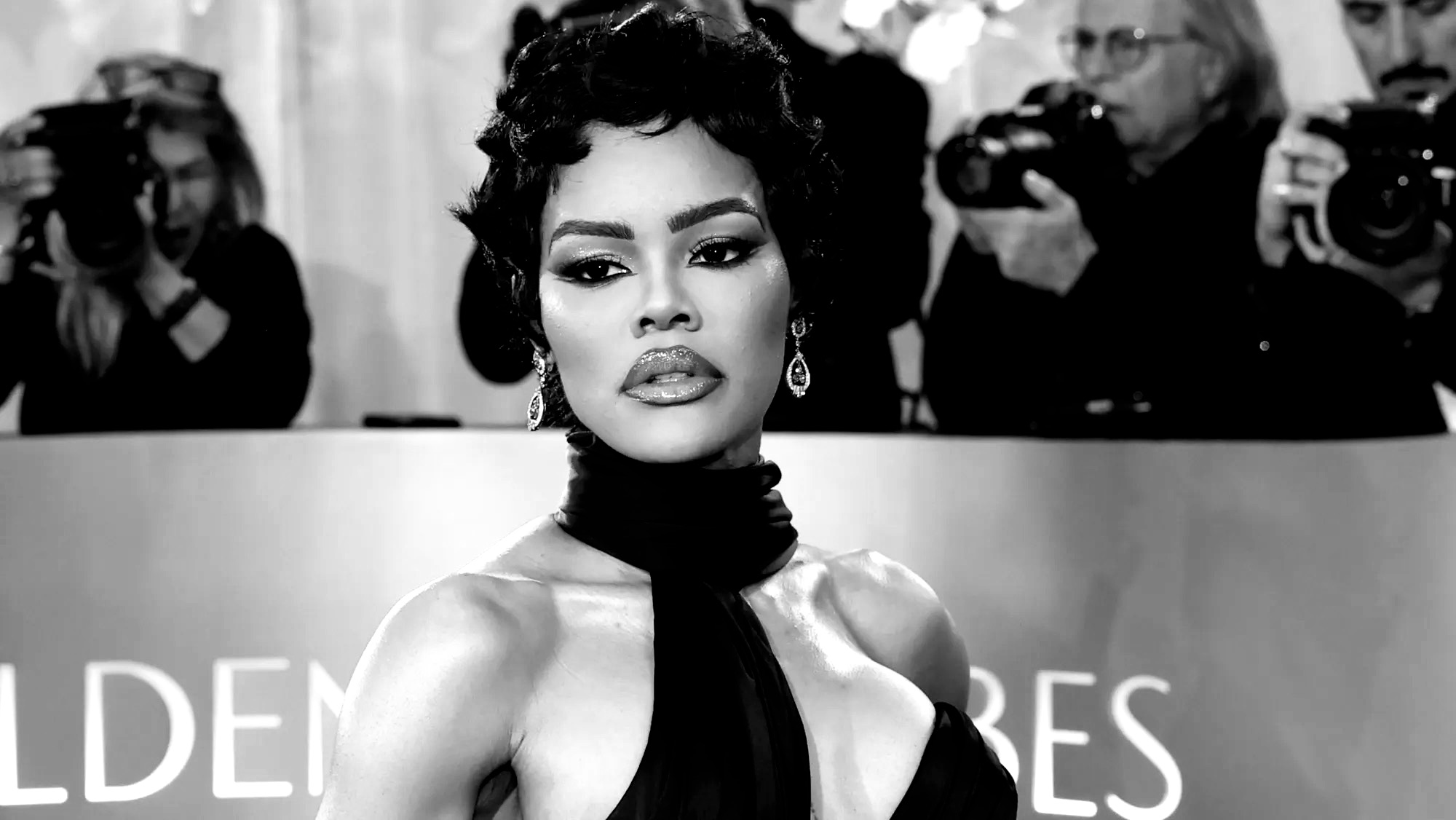
"[…] purpose always finds its moment.” — Teyana Taylor while accepting the Golden Globe for Best Performance by a Female Actor in a Supporting Role in Any Motion Picture for "One Battle After Another.
Why the 2026 World Cup Will Be Watched, Not Viewed
Why it Matters
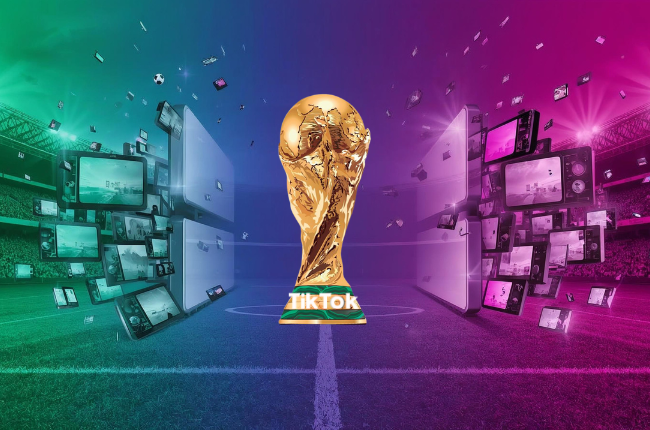
FIFA has officially named TikTok its "Preferred Platform" for the 2026 World Cup. Why it matters? Because FIFA rarely pivots, but under this deal, TikTok gets a dedicated in-app hub, exclusive behind-the-scenes access for creators, and—crucially—rights for broadcasters to live-stream match segments directly on the platform. They are acknowledging that for Gen Z, the "Main Event" isn't the game on TV. It is the conversation happening on the phone. The World Cup is no longer a television product; it is a vertical video feed with a soccer match happening in the background. This is a critical signal that social media has past the point of graduation from an "amplification tool" to a primary broadcast layer.
What it truly means? Campaigns must now be built "TikTok-first" to ride the tournament's cultural wave. This isn't just about reach; it is about conversion and the short-form narrative that surrounds it.
Food for Thought
This partnership signals the death of passive sports marketing. With official hubs featuring gamified challenges, stickers, and AR effects, the winning brands will be the ones that design for complicity. Traditional "top-down" ads will get scrolled past. The campaigns that will capture cultural oxygen are the ones that invite fans to duet, remix, and co-create. We continue to advance in the "Join this challenge" era.
Other Facts this week
🎥 Disney+ goes vertical: The streaming giant is testing vertical video feed aiming to boost discoverability and engagement on mobile.
🎧 Listen to South Korean master filmmaker Park Chan-wook reflect on his "Vengeance trilogy" roots and his latest Oscar-contending film, *No Other Choice*.
🏀 Athletes' pay is booming: Brands are betting big on sports stars, with female basketball players seeing a 300x growth in sponsorship payments since 2019.
🗓️ Plan your year with X: The platform has released its 2026 marketing calendar to help brands stay ahead of major cultural moments, from the World Cup to the Grammys.