Netflix vs. Paramount's Warner Bros. Bid: The Brand War That Will Define Hollywood in 2026

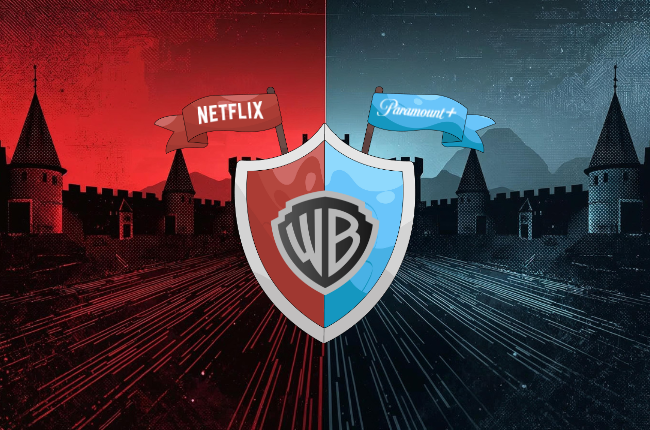
The Siege of Hollywood
Why it Matters
What looked like a coronation on December 5th has turned into a corporate siege. And I will only limit to see this through the brand/PR prism, not a business one which many places have already done. This is no longer just a merger; it is an ideological Hollywood civil war fought through two competing brand narratives:
- Netflix (The Inevitable Future): Netflix is employing a "Reality Distortion Field." By immediately emailing users about "combining Harry Potter with Stranger Things," they are trying to "fait accompli" the deal in the public mind before regulators can touch it. Their brand narrative is ”arrogant” competence: "We are the utility. Resistance is futile. Join the winning ecosystem."
- Paramount (The Rebel Alliance): Paramount’s counter-offensive is a brilliant PR pivot. David Ellison isn't just offering more money; he is positioning Paramount as the "Savior of the Studio System." By offering to buy WBD *whole* (keeping the messy cable assets Netflix wants to discard) and using patriotic language about "preserving American storytelling," he is branding Paramount as the human alternative to the Netflix algorithm.
This battle forces Hollywood into a profound identity crisis. If Netflix wins, the concept of the "Major Studio" effectively dies. Brands like Warner Bros. and HBO cease to be independent cultural arbiters and become mere luxury labels inside a tech utility—prestigious, but ultimately subservient to the algorithm. It signals the final transition of entertainment from "Cinema" (an art form curated by humans) to "Content" (data optimized for retention).
Conversely, if Paramount wins, it validates the "Heritage Brand" as a viable counter-weight to Big Tech. It re-establishes the studio lot, not the server farm, as the center of the creative universe. But the risk is equally high: A Paramount victory might save the *image* of the traditional studio, but can two dinosaurs lashed together really outrun the meteor? Ultimately, this isn't just about who owns Batman; it’s about whether the future of Hollywood will be defined by Silicon Valley efficiency or legacy prestige.
Food for Thought
From my humble POV, Netflix made a tactical storytelling error: by trying to be everything to everyone, they became the Faceless Empire. By positioning themselves as the "ultimate utility," they created a narrative vacuum that Paramount instantly filled.
And to be honest, Paramount isn't just filling a vacuum; they are weaponizing "Humanity." They are pitching their messy, imperfect studio model as the "Soul" of Hollywood: the human alternative to the cold calculation of the Netflix algorithm. But we must look closer: Paramount *needs* Netflix to be the "Faceless Empire" because it’s the only narrative where a debt-laden legacy studio gets to be the hero. They are selling a "feeling" because, frankly, I think they cannot sell the math.
Reset: The Strategic Color of "Nothing”
Why it Matters
Pantone has hit a hard reset button. After years of dopamine-drenched colors like *Viva Magenta*, the 2026 Color of the Year is PANTONE 11-4201 Cloud Dancer, a warm, unassuming white. This is a radical departure from the "look at me" aesthetic of the post-pandemic era. By choosing a color that is technically the absence of color, Pantone is signaling a massive cultural shift toward "Sensory Sobriety."
For brand positioning, this pivot is critical. It suggests we are moving away from an era where brands had to scream to be noticed. In a world screaming with AI noise and algorithmic overload, "Cloud Dancer" frames simplicity as the new premium. Major brands like Motorola and Joybird are already activating this, not by selling "white products," but by selling "sanctuary." They are using the color to market products as tools for clarity, focus, and mental whitespace. This choice effectively formalizes the "Quiet Luxury" trend, moving it from a niche fashion aesthetic into a mass-market design philosophy where the ultimate flex is having the confidence to whisper.
Food for Thought
There is a profound class signal in this color choice. Noise, clutter, and neon are increasingly associated with the cheap, crowded layers of the internet. Silence and empty space are becoming the ultimate luxury goods.
By pivoting to "Cloud Dancer," brands are signalling that they are confident enough to whisper. It suggests that their value proposition doesn't need to be shouted to be understood. In a marketplace screaming for attention, "nothingness" is the ultimate flex (at least I believe that) a signal that you have the resources to disconnect and the taste to appreciate the void.
Quote of the Week
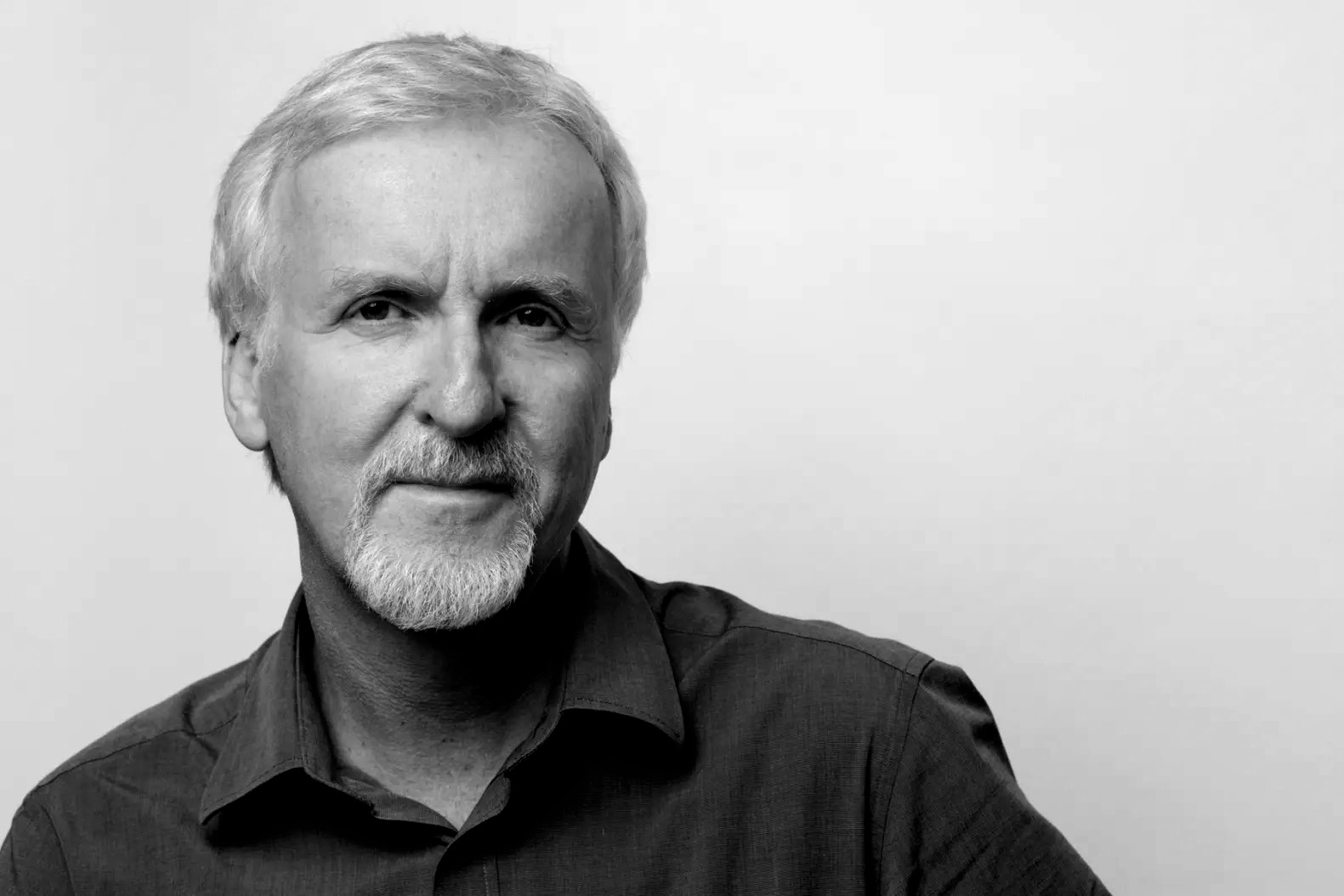
"My counterargument was, ‘Wait a minute. What part of you getting another chance to make $2 billion is in question here?" — James Cameron
The Globes: Did the Campaign Beat the Art?
Why it Matters
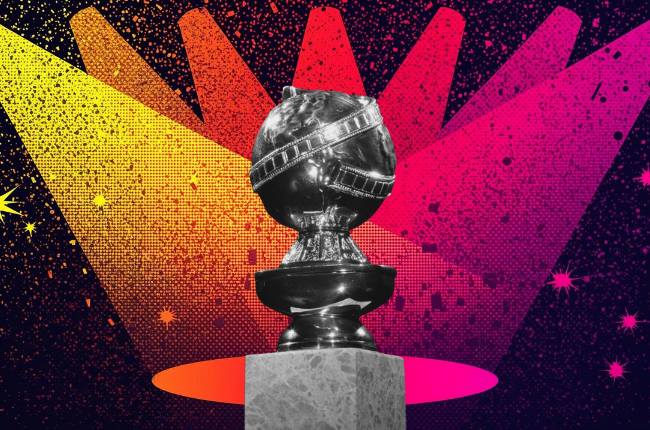
The 2026 Golden Globe nominations have arrived, and they feel less like a celebration of art and more like a receipt for the year's most expensive marketing campaigns. Netflix dominates, validating a "flood the zone" PR strategy where visibility is manufactured through six-month marketing sieges rather than organic buzz. For the Golden Globes brand itself, this list reveals a clear survival strategy. Desperate to secure ratings for its broadcast, the voting body has prioritized mass visibility “things” over prestige, packing categories with populist box office hits. This proves that in the current ecosystem, "prestige" has effectively become a purchasable asset class, available to whichever tech giant can outspend the legacy studios.
Food for Thought
I think we need to stop viewing the Golden Globes as a meritocracy or simply an artistically valued award, and start viewing them as a marketing validator. The "For Your Consideration" industrial complex has turned into an arms race where only the deepest pockets survive. The critical question for the consumer is whether they are watching a celebration of the year's best art or simply witnessing the return on investment for the year's most aggressive lobbying efforts.
And to be honest, I’m not saying this is necessarily a bad thing; I think it’s just questionable in the eyes of what I grew up with. For me, the Globes’ pivot says more about a brand that is terrified of irrelevance than one that celebrates art. They aren't trying to predict the Oscars anymore; they are trying to predict what will keep you from hitting the unsubscribe button.
Other Facts this week
🐭 Disney will invest $1 billion in OpenAI and license over 200 characters to the Sora AI video platform.
🎉 From American Eagle to Tylenol, a new report breaks down the 10 most controversial brand moments of 2025 that sparked viral backlash.
🤖 The Invisible Search: Brands must optimize for Generative Engine Optimization (GEO) as customers start asking AI chatbots for purchase recommendations. (in Spanish 🇪🇸)
🏆 Adweek reveals its definitive list of the 20 best ads of 2025, highlighting the campaigns that resonated most with consumers this year.