MicroSports, The Walking Dead's $500M Deal, and Hollywood's New Stars: What You're Actually Promoting Has Changed

How Do You Promote a Sport That Fits in TikTok? The MicroSports PR Problem
Why it Matters
The emergence of MicroSports.
Sports broadcasting was always defined by two things: the event itself and the ancillary content surrounding it. Multi-hour pre-game panels, bloated shoulder programming designed to keep audiences glued to a couch. That was the equation. And it always worked promotionally too. The tune-in call lived in the shoulder programming, with the CTA to stay for the game.
Welp. MicroSports completely flips that equation.
By stripping away broadcast filler and compressing athletic drama, rivalry, and competition into vertical 60-second episodic bursts, these platforms are building a media model engineered specifically for mobile-first dopamine loops and micro-transaction monetization.
So how do we promote this?
Promoting MicroSports requires borrowing from mobile game launches, serialized web fiction, and viral trend-jacking. Instead of pitching traditional sports desks, campaign architects must build real-time narrative engines that treat every match like a season finale drop. That means push notifications as instant premiere invites, micro-teasers seeded directly into creator reaction loops, and comment-section fan theories turned into live storyline adjustments. Or does it?
Ultimately, promoting MicroSports isn't about driving tune-in for a broadcast window. It's about engineering friction-free, impulse-driven touchpoints that convert casual scrolling into immediate, micro-emotional investment transactions.
Food for Thought
In the MicroSports era, raw athletic statistics take a back seat to pure narrative momentum. Publicists and sports communicators can no longer rely on traditional frameworks to build interest.
So should we borrow directly from scripted drama and property-based franchise thinking?
Treating sports leagues like cinematic universes. Athletes as recurring IP characters. Every match, tournament, or play pitched through the lens of a dramatic thread, much like an episodic television saga.
Maybe that's the way. Reframe micro sports as a character-driven media property where lore matters more than tournament seeding. Target entertainment, lifestyle, and pop-culture outlets that trade in serialized narrative hype rather than box scores and standings.
The game is still the game. But the story around it is now the product.
The Walking Dead Co-Exclusive Deal Proves Fandom Is Now Core Business Infrastructure
Why it Matters
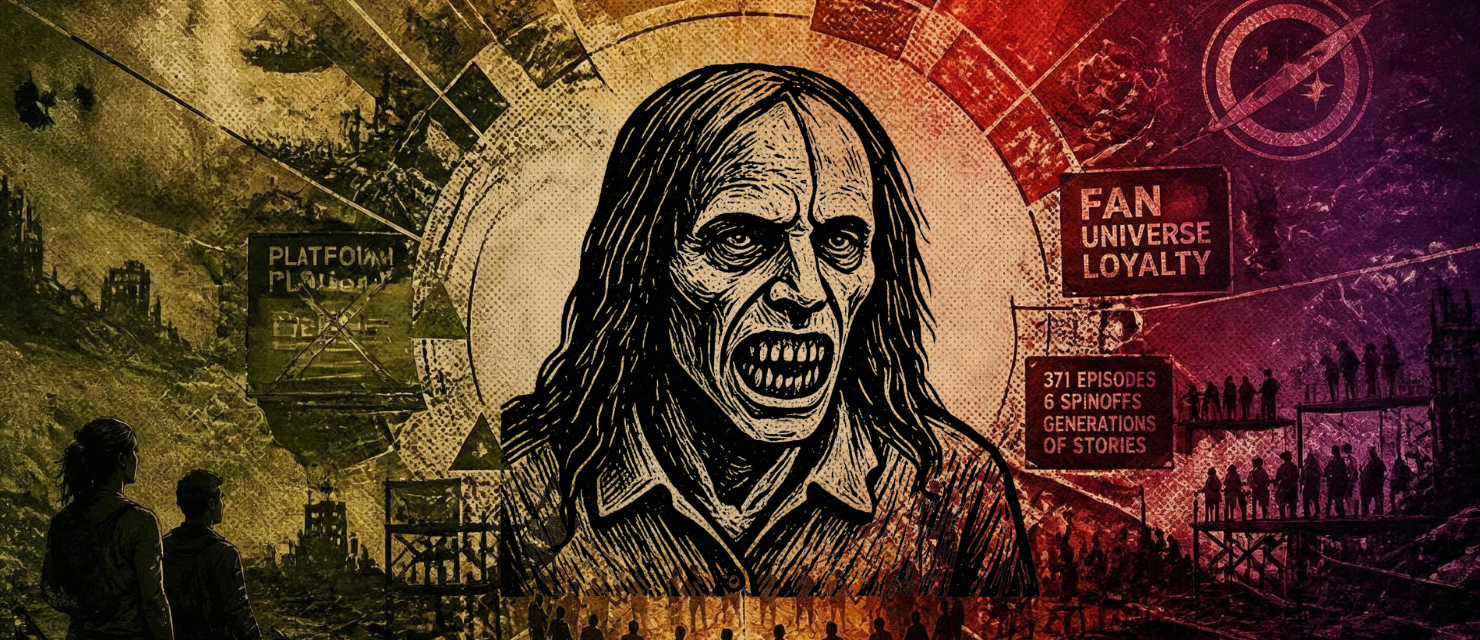
Netflix just paid AMC $500 million to stream The Walking Dead universe across 371 episodes and six spinoffs in a co-exclusive deal. The headline is the number. The real story is the why behind that huge number.
The Walking Dead isn't valuable because AMC owns it or Netflix wants it. It's valuable because millions of people are emotionally invested in what happens next. That fandom is the non-negotiable asset. And it just structured a half-billion dollar deal.
In the old IP model, franchises were leverage. Whoever owned the rights controlled the audience. In 2026, that logic has quietly changed. The fandom “sort of” controls the deal. The audience is so fragmented, but so loyal to the story rather than the platform, that any deal is forcing to architect access around fan behavior. Not fan loyalty to either company. Fan loyalty to the universe itself.
If The Walking Dead didn't have the fanbase it has, this deal looks completely different. A niche show gets an exclusive. A dead show gets shelved. But a cultural phenomenon with a fiercely protective multi-generational community? That forces us to think around one question: where do the fans need us to be?
The answer was: everywhere. Hence the co-exclusive.
Food for Thought
The brand lesson is sitting quietly inside the deal.
If you don't have fandom, you're renting eyeballs. If you do, you have leverage in every negotiation that follows. Simple, right?
The collective emotional investment of fans made the co-exclusive structure the only rational outcome for both parties. The bigger the fandom, the better. We build it on both sides, the better. We have to be everywhere, because they already are.
For us communicators, easier said than done. Because we don't build fandoms. We spark them. Or we emotionally tap into existing ones to ignite that passion. But reach is a metric. Fandom is an asset. One depreciates the moment you stop spending.
So fandoms cannot be forgotten. And here's why.
When communicators cultivate genuine community equity, that fandom becomes a portable, non-negotiable asset. Comms teams must articulate to leadership that fandom isn't just a marketing byproduct. It is core business infrastructure. The kind that grants brand leverage in every distribution, co-branding, and platform negotiation that follows.
Quote of the Week
"I don’t like reading comments on the YouTube clips"
by Rebecca Ferguson admitted during a San Diego Comic-Con panel over the weekend.
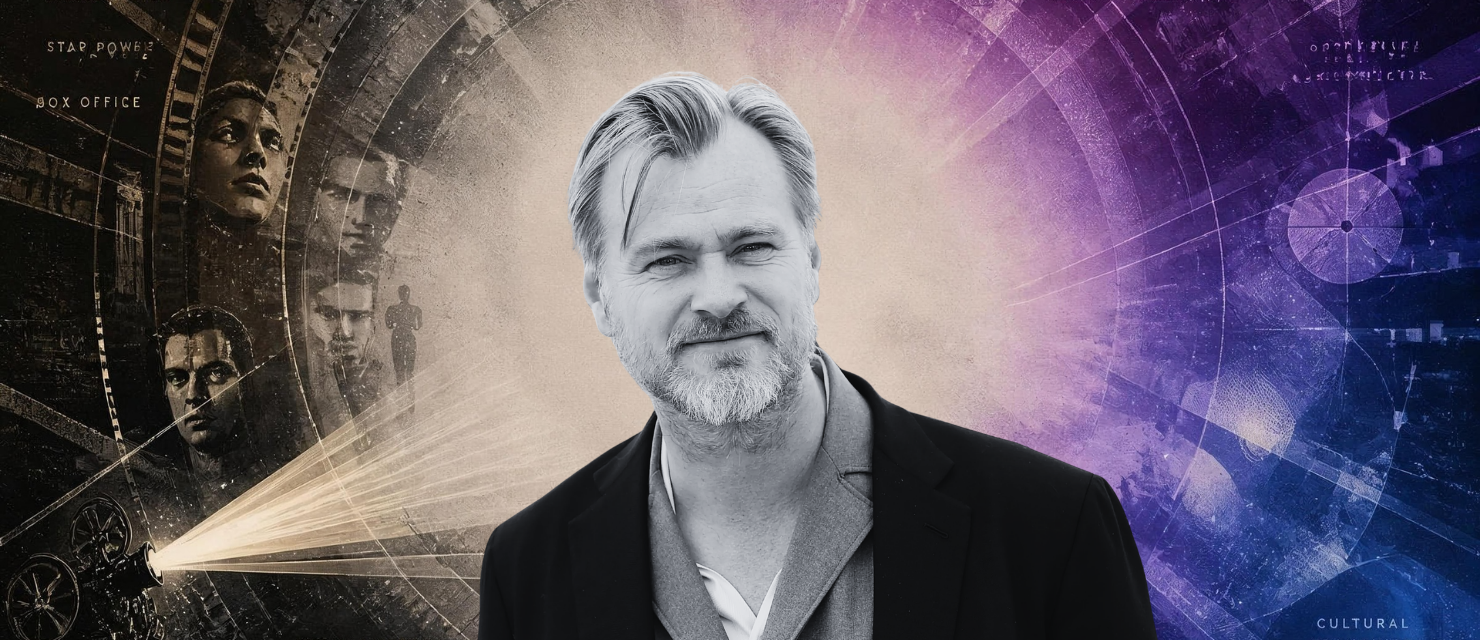
Forget Actors. Directors Are Hollywood's New Movie Stars. Nolan Proved It.
Why it Matters
Something has quietly shifted in Hollywood's promotional architecture. The director is now the movie star?
Christopher Nolan's name above the title is worth more at the global box office than almost any actor working today. His last four films have averaged over $800 million worldwide. Audiences aren't showing up for the cast. They're showing up for the auteur. And studios are building entire marketing campaigns around that reality.
This isn't just a Nolan phenomenon. Ryan Coogler, Greta Gerwig, Jordan Peele, and Taika Waititi have all crossed the threshold from filmmaker to franchise brand. Their names carry audience expectation, genre signaling, and cultural permission in ways that used to belong exclusively to movie stars.
The promotional implication is significant. When the director is the IP, the campaign architecture changes completely. The press tour centers on vision and craft rather than character and performance. The talent becomes “secondary” to the creative authority. And the audience relationship is built on trust in a sensibility, not affection for a face.
Food for Thought
For entertainment PR pros, I think this shift opens a genuinely interesting question about how we build talent campaigns going forward.
Actor-driven campaigns are built on access and relatability. Director-driven campaigns are built on mythology and mystique. Nolan famously doesn't use a smartphone. That detail has done more for his brand than most press junkets ever could. It reinforces the mythology. It signals that he exists outside the algorithmic attention economy his films are competing within.
The lesson isn't that actors are irrelevant. No. Never are and never will. It's that the creative authority behind a project has become a marketable asset in its own right. And we need to understand how to build, protect, and deploy that authority.
The question worth sitting with: who are the director-level authorities in your industry? And are you treating their creative vision as the asset it actually is?
Other Facts this week
📺 See what NBCUniversal's landmark YouTube deal reveals about where streaming and social video are headed next.
🎨 Steal this: Canva's CMO runs a weekly cross-functional check-in that keeps product and marketing locked in sync — and it's simpler than you'd think.