From Publicists to Platforms: Three Stories That Prove Ongoing Presence Is the Only Strategy That Works in 2026


Is Stan Culture The New Hollywood PR Crisis?
Why it Matters
The volatile, increasingly hostile relationship between publicists and stan culture exposes what has fundamentally changed in the mechanics of entertainment PR.
For years, studios and celebrity representation teams treated superfans and hyper-dedicated fan accounts as a free, decentralized marketing department capable of driving algorithmic visibility, streaming milestones, award voting armies and organic box office hype. In 2026, that assumption has collapsed entirely. And the relationship has somewhat eroded.
Publicists attempted to harvest the manic energy of these internet subcultures while falsely assuming they could control the volume knob. Truth is, you can’t. These online communities have grown so highly organized and intensely vocal that they have successfully seized narrative power away from the legacy gatekeepers who thought they owned it.
When fan accounts possess the digital velocity to dictate public perception of a celebrity's personal life and simultaneously derail an Oscar campaign, the traditional corporate script becomes totally obsolete.
Food for Thought
The core strategic mistake was assuming that fan-driven enthusiasm would remain pure once it was industrialized by corporate entities. They turned a hobby into a high-stakes influence game. And naturally, that created a scenario where fans ceased acting as promoters and began acting as equity stakeholders.
But this dynamic shouldn't be entirely scary. It simply means you are now managing an ecosystem, no longer just an audience. With its own complexities, nuances, demands, and needs.
If you understand that this infrastructure deserves the same attention as media relations and the same dedication as public affairs, you understand that the management is a grassroots activity. Not just another audience segment among other things.
Netflix Has an Emotional Retention Crisis
Why it Matters
Why are viewers not coming back for season two of shows on Netflix?
A definitive Bloomberg report cited high-profile properties like Beef (down 70%), Avatar: The Last Airbender (down 60%), and The Night Agent (down 50%). Devastating viewership drops upon return.
But what is actually causing this? Because Netflix is an absolute killing machine when it comes to hyping a show and creating resonant campaigns. Personally, I think that beyond the typical explanations, this is where intensity campaigns might not always build long-lasting engagement.
And let's not forget: campaigns are built around programming strategies, IP, and storytelling quality. But they are always aimed at consumer behavior. The infamous Call to Action. Netflix has always been exceptional at "come and watch this now."
So could it be that it overtrained its audience to treat premium IP like fast fashion? Aggressively consumed over a single weekend, swappable, and easily abandoned when a second season finally emerges after a one-to-three-year production delay?
Food for Thought
This poses a genuinely interesting conversation. Because without consistent year-over-year retention, a media brand isn't building a sustainable library of living cultural lore. Which is exactly what Netflix has always aimed at. And they are great. But somehow the now is now. And as the lyric goes, it's only for now.
Frictionless consumption, eliminating the forced wait, dropping entire seasons at once, using automated recommendations to instantly fill the void. That's a convenience solution to a churn problem. But what about the emotional retention crisis? That emotional contract with your consumer.
Netflix has always exceeded in this realm. But you cannot permanently substitute a long-term community relationship with short-term algorithmic hype. They know it.
Maybe we are entering a new era in PR for streaming, and we need to rethink what worked well. One where you must design a long term infrastructure of presence, either by design or reaction. One that lives through sustaining conversation pacing, staggered communication, or consistent micro-seeding, that keeps your IP alive in the consumer's daily routine until you can hype it again.
Quote of the Week
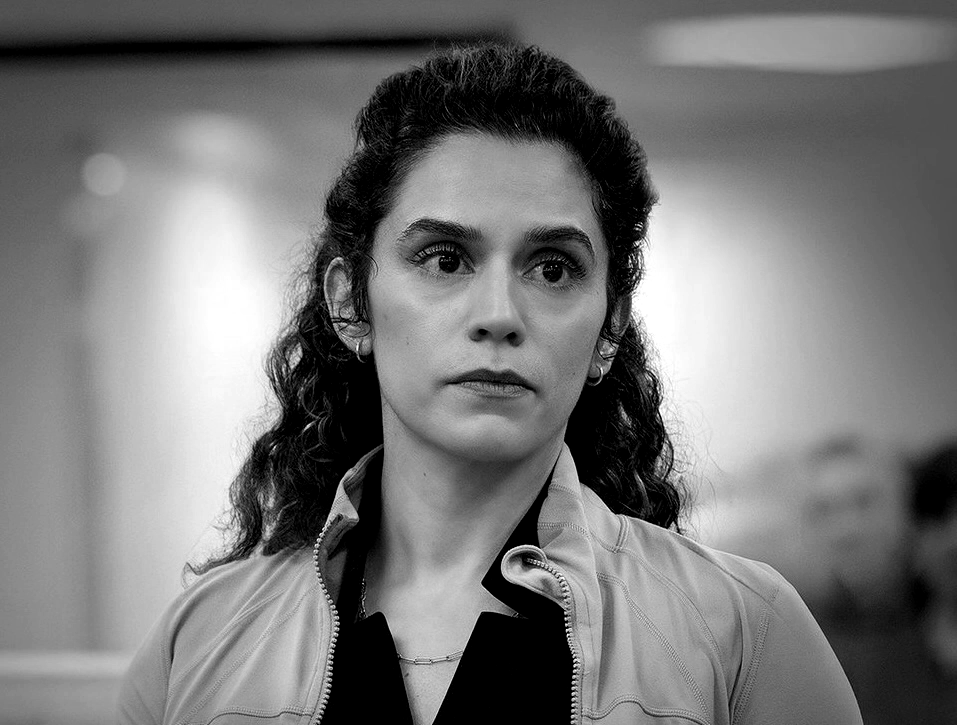
"It’s just, it’s really not about me in this moment. It’s the way it can empower so many other people to see a path paved. And not that it’s about awards either, but about empowering you to believe in yourself, whether it’s going into medicine, or it’s believing that you are more than the discrimination that you’ve dealt with."
by Sepideh Moafi in conversation with Variety about her Emmy Nomination for The Pitt.
Love Island USA Proved That Appointment Viewing Is Back
Why it Matters
Peacock is the smallest of the major streamers. And yet it has engineered what Netflix, with all its algorithmic firepower, has been quietly losing: a monocultural moment in a hyper-fragmented landscape.
At a time when young viewers are glued to algorithmic feeds, Love Island USA is getting them to show up for programming six nights a week. That is not a small thing. That is a structural culture of everything we thought we knew about Gen Z viewing behavior.
The strategic contradiction here is genuinely fascinating. Younger demographics, who traditionally reject rigid broadcast schedules, are eagerly committing to a grueling nightly viewing routine. Not because they have to. Because the cultural FOMO of not keeping up is more uncomfortable than the commitment itself.
The Casa Amor episode was live-streamed in 28 theaters across the country. Tickets sold out within eight hours. That is a dating reality show selling out movie theaters. Let that land for a moment.
Food for Thought
This isn't about the show. It's about the community engineering underneath it.
Peacock built something regular streaming cannot replicate: a daily ritual. By keeping users engaged every single night, the platform transforms its monthly subscription fee from a luxury into a utility.
Interactive fan-voting apps, real-world watch parties, theatrical screenings, a six-night-a-week drop cadence. None of these are accidental. They are calculated decisions from legacy TV. New viewers make up 27% of Season 8's audience, and it is already up 50% from its record-breaking Season 7.
For communications and brand strategists, the lesson is right there. You can manufacture a monocultural moment even in a hyper-individualized media landscape. But not with content alone. You do it by designing an ecosystem where showing up daily feels like belonging to something, not just watching something.
The smallest major streamer just taught the biggest ones what appointment viewing looks like in 2026. It looks like community. And community is always built in person first. Sounds familiar? Well it is.
Other Facts this week
📸 Check how Taylor Swift's wedding turned into a free marketing masterclass for brands that moved fast and stayed authentic.
⏳ Read why Claude's predictions ended up inside America's official 250-year time capsule — and what that says about AI's cultural footprint.
🎯 Worth a look: the brand campaigns that won H1 2026 didn't sell aspiration — they sold honesty, and consumers responded.
🤝 See what Havas's big bet on fandoms reveals about where brand loyalty is actually being built right now.
🎬 Steal this context: CAA built a secret AI vault so actors can license their likeness forever — and it's already changing how Hollywood negotiates.
🏆 Quick takeaway — the 2026 Emmy nominations aren't just a TV story, they're a map of what streaming audiences actually showed up for.