ChatGPT Health and the New Entertainment PR Playbook: When Brands Stop Selling and Start Embedding in 2026

The 2026 Publicity and Entertainment PR Trends: Audiences as Co-Conspirators
Why it Matters
Allow me a moment of self-promotion, because the shift happening right now is critical. I just published a full analysis of the 5 Entertainment Publicity Trends Defining 2026.
You can read it here
The headline? The publicity playbook that built Hollywood is officially obsolete. As we see with campaigns like A24’s *Marty Supreme*, the new reality is here. We are no longer marketing to consumers. We are recruiting **co-conspirators**.
We are no longer in an "authenticity crisis", we are in a complicity crisis. Audiences today do not mind being marketed to; they mind being *excluded* from the joke. Whether it is TikTok creators attending "blind" screenings for *Primate* or fans generating their own Star Wars assets via OpenAI, the winning strategy is no longer about "selling at" the audience. It is about inviting them to play along. The era of "interruptive reach" is dead; the era of "participatory lore" has begun.
Food for Thought
And to be honest with the extended window presented by streaming publicity campaigns can’t focus only on launch week[end]. The 2026 algorithm no longer rewards that "viral lottery". It rewards retrieval positioning. A successful campaign (like Bugonia’s conspiracy videos) is designed to be the answer when someone searches for the topic three months later. Marketing is shifting from "shouting loudly once" to "answering questions forever".
The Entertainment Technology PR: LEGO's Smart Brick
Why it Matters
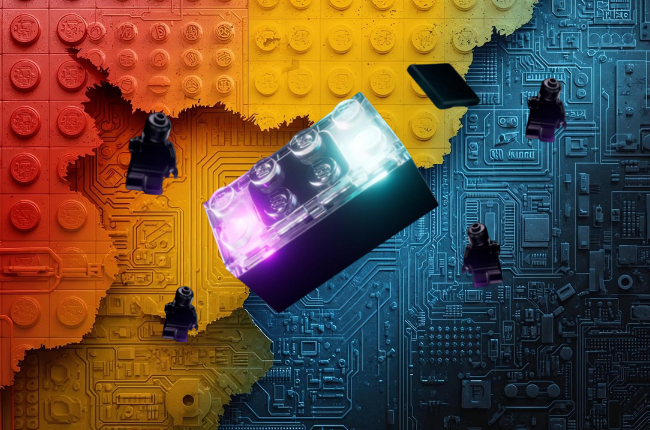
LEGO deliberately chose CES, maybe because is a massive brand signal or simply because that’s what the brand demands in the next few years. But in all, it tells the market that LEGO is no longer just a molder of plastic toys, but is a developer of hardware.
By placing their brand actively next to new microLED screens and next-gen AI-driven PC and phones, LEGO borrows the "innovation halo" of the tech sector. It is a declaration that the brand is not a heritage act relying on nostalgia, but a relevant player in the future of entertainment technology (past beyond Mario Legos hopefully). This moves the brand perception from "commodity toy" to "proprietary platform," a critical shift for maintaining relevance in a digital-first world.
Food for Thought
This launch proves that LEGO knows their true enemy is not Mattel or Hasbro; it is the screen. If they stay in the toy aisle, they fight for declining scraps - yes even for Legos. By stepping onto the CES stage, they position themselves as a tactile, premium alternative to an iPad or a Nintendo Switch. Or even a complimentary thing. They are acknowledging that to survive the attention economy, they cannot just be a building block. They have to be a gadget.
Quote of the Week
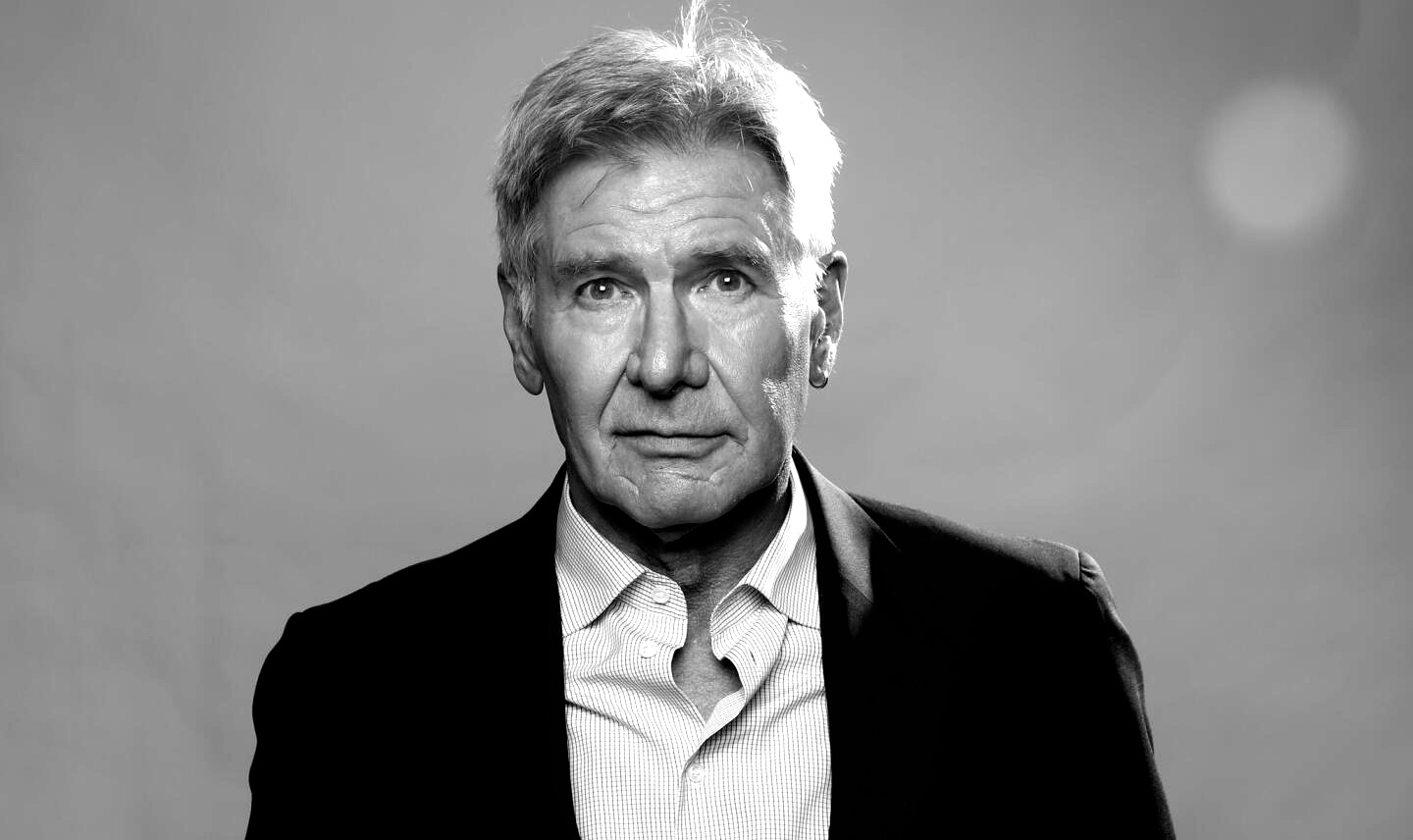
"I’ve spent most of my life on film sets, working alongside incredible actors and crews, and I’ve always felt grateful to be part of this community” — Harrison Ford, on being 2026 recipient of SAG-AFTRA’s Life Achievement Award.
ChatGPT Health: The marketing of life infrastructure
Why it Matters
I know, another AI article. But listen, we have a lot to learn about marketing from these companies. With the official launch of ChatGPT Health—a dedicated environment connecting directly to medical records and wellness apps—OpenAI is executing a massive strategic pivot. From a branding perspective, this shifts the narrative from 'how can I use it' to 'this is how it helps me.' The company is actively moving the brand away from being a mere 'creative plaything' or 'coding assistant' and positioning it as essential life infrastructure.
Food for Thought
I read somewhere that in classic marketing theory, products are either vitamins (nice to have) or painkillers (need to have). Until now, ChatGPT has largely been a vitamin, a creative booster or a productivity hack. By entering the health vertical, OpenAI is aggressively rebranding as a painkiller. You can unsubscribe from a tool that writes emails; it is much harder to unsubscribe from a tool that manages your chronic condition. This is a strategic brand pivot designed to make the product "undeletable”.
Other Facts this week
🎸 John Mayer story on why he acquired Henson/A&M the historic lot, originally built by Charlie Chaplin.
🏹 A24 debuts the first trailer for “The Death of Robin Hood”, a dark reimagining starring Hugh Jackman as a battle-worn outlaw.
📱 Authenticity over aesthetics: 2026 social trends shift toward "lo-fi" video content and community-led brand storytelling.
🧇 Stranger Things and the mourning of marketers.