Sinners, Oscar Ads, and The Comeback: Why 2026's Biggest Brand Lesson Came From Hollywood's Biggest Night

Oscars: Craft Is the New Prestige?
Why it Matters
The 98th Academy Awards officially broke the "prestige" seal. When Ryan Coogler took the podium for *Sinners*, it wasn't just a win for a vampire epic; it was a structural shift in how the industry defines excellence. Prestige has migrated from what a film is about to *how* it was made. Genre is no longer a ceiling; craft is the new currency.
For decades, the Academy's prestige logic was content-based: historical drama, biographical suffering, literary adaptation with a capital. The 2026 slate proves that the authorship infrastructure, the visible presence of a specific creator's intention, is now the primary credential. This is a massive signal for brand communications: cultural authority now accrues to the voice behind the work, not just the work itself. Any brand or studio that treats its creative leadership as an anonymous function is leaving cultural capital on the table. So when we build campaigns and publicity efforts in 2026, the filmmaker isn't just a director, they are the trailer and the brand’s most valuable asset.
Food for Thought
Let’s be honest: every film in this year’s Best Picture conversation got there because a single visionary refused to compromise, but authorship is a scarcity model in a volume-obsessed economy. And authorship also pays at the box office. So the lingering question is whether the Oscars are becoming the egg or the chicken. Are they now recognizing authorship because popularity is rewarding the show with dollars and audience expansion? Or is it because we are truly entering a genuine era of creative freedom, where prestige is defined by how authentic a story is to its vision, and the audience follows that path? As things accelerate does the craft-as-prestige filter hold as a genuine cultural standard, or does it become the new version of the same gatekeeping it just replaced? The important thing is that I’m glad we are, at least for now, recognizing authenticity over “critics' darlings.”
Oscars (bis): When Brands Stopped Interrupting and Started Competing
Why it Matters
Until now, brands have largely played it safe, treating the Academy Awards as a high-priced interruption. This year, they premiered a cinematic universe. Mazda’s collaboration with Academy Award-winner Hoyte Van Hoytema and Disney Cruise Line’s 90-second narrative flex represent a fundamental shift in grammar: brands are no longer just advertising during a film event; they are participating in one.
This is the "Brand Operating System" in action—the fundamental shift from treating an ad slot as a media buy to viewing it as a film production opportunity. By delivering a governance statement in cinematic form, these brands are working past renting eyeballs; they are forging a level of cultural authority that no standard 30-second pitch can manufacture.
They are leaning into the validated context of the Academy Awards, effectively bypassing the audience’s natural "ad-block" reflexes by matching the texture, scale, and ambition of the films they surround.
The way I see it, it was years coming to see such a strategic pivot from interruptive marketing to additive storytelling. Also, not a celeb-centric campaign either. So finally, the Oscars ad break are officially transitioning from a mere distribution channel into a high-stakes creative brief, where the price of entry is no longer just the check you write, but the narrative infrastructure you are willing to build.
Food for Thought
The Oscars ad break has always been expensive. What changed this year is the aspiration level. Brands are no longer satisfied occupying the interruption between film awards. I’m not saying the Oscars become the new Super Bowl ad windowing, but I’m appreciating the rethiking and the intent to be part of the event. Ultimately, when every brand speaks in cinematic grammar, the grammar stops being a differentiator. So we’re about to find out if the audience rewards the filmmaker's eye or the brand's intent. Because in a world of high-gloss narratives, the only thing more expensive than a bad ad is a beautiful one that says nothing at all.
Quote of the Week
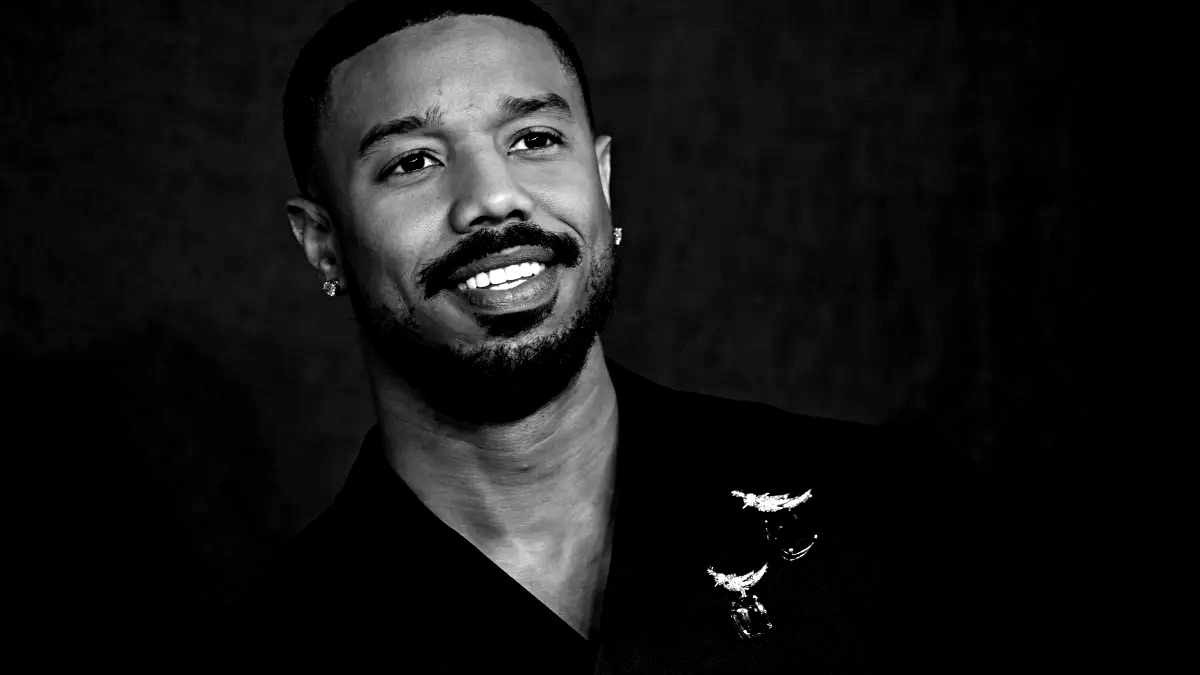
"You borrow from the greats, and you make your own path without losing the core of who you are"
by Michael B. Jordan
The Messaging Behind How The ComebackTackles the Industry’s Greatest Anxiety
Why it Matters
This isn't just a story about a show’s revival; it’s a masterclass in narrative weaving. Lisa Kudrow’s return to The Comeback succeeds because it refuses to treat the industry's most existential threat—AI—as a punchline or a villain. Instead, the messaging around Season 3 is built on a "discovery-first" model of embracing the disruption and creating the purpose of the show on a context that matters. By weaving AI topic harship the show is leaning into the friction of the cultural moment to build a new permission structure for the audience to pay attention.
What I want to showcase here is that this story is about intentionality. As communicators or marketers we often hear producers, or others, saying “oh, but I don’t want to talk bout that”. So when I see Kudrow not selling a sequel, but building a world where the industry’s current anxieties are the primary asset, I can’t avoid to take it as an important and smart lesson for any brand facing a difficult topic: don't dismiss the shift—own it as part of your identity.

Food for Thought
Most PR playbooks suggest a "defensive crouch" when dealing with industry anxieties like AI. Usually, this means distancing the brand or offering vague, cautious statements. Kudrow’s campaign for The Comeback Season 3 does the exact opposite. By focusing the narrative on Valerie Cherish starring in the first AI-written sitcom, How's That?!, the publicity team removes the need to justify why the show is returning after a decade. They have successfully cast the industry’s biggest existential fear as their primary co-star. They frame it perfectly: The Comeback always returns in the middle of a Hollywood existential crisis.
This is a well-executed offensive messaging campaign. When you embrace a disruption, you stop being a victim of the news cycle and start becoming the author of it. For comms teams, the lesson is that owning a controversial shift, rather than dismissing it, removes the need for defensive PR altogether. By making the technology the plot engine, Kudrow has turned a polarizing trend into a primary force that compels the audience to pay attention. Is the future of crisis comms simply finding a different way to make the threat the most interesting part of your story?
Other Facts this week
📺 Check how Baywatch went from '90s punchline to streaming gold — and what that says about nostalgia marketing done right.
🎬 See what Conan's return to the Oscars reveals about why sharp writing still beats spectacle and crowns hosts.
📱 Quick takeaway — Disney+ is betting vertical video can win the TikTok generation without leaving the app.
🎨 If you're launching a rebrand, borrow this: 9 steps that help you avoid post-launch panic and buyer's remorse.