K-Content's Global Playbook and Anthropic's Ethics Bet: Why Specificity Is the Only Brand Strategy That Scales in 2026


The K-Content Playbook: Architecture of Global Storytelling
Why it Matters
K-content has become a cultural revolution, and the real story isn't about chasing Hollywood validation, it's about a discovery-first model. Instead of "localizing" or sanding down edges, producers like CJ ENM doubled down on authentic Korean storytelling and let the digital ecosystem handle the distribution. *Parasite* didn't win four Oscars because it softened itself for American audiences; it won because streaming and social media had already dismantled the "one-inch subtitle barrier" for a globally curious audience that was ready and waiting.
We see this playing out today as niche streamers like Corea+ in Mexico tap into this exact cultural equity. The k-strategy is focused and deliberate: use cultural specificity not as a ceiling, but as the IP itself. For international communicators, this is the shift to understand: specificity isn't a barrier to scale it’s the engine.

Food for Thought
Sure, some will say this is a case of winning the world by ignoring the world. But the reality is they won by going deeper. While Hollywood spent decades diluting cultural markers to find a "maximum addressable market," Korean producers doubled down on the Korean core and let the world come to them.
This raises a pointed question for the communications industry: if culture-first is the winning formula for K-content, why are so many other storytelling territories still being asked to dilute their specificity for "mainstream" appeal? Who defines what counts as universal—and what changes when creators simply stop asking for permission?
Beyond the Merger Math: The Identity streamer called Paramount+HBOMax
Why it Matters
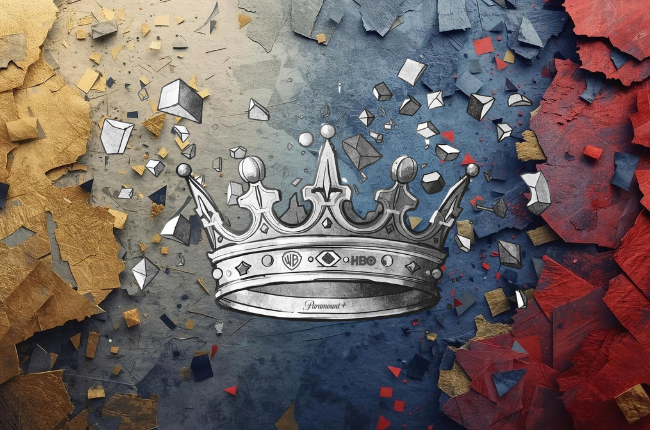
Let’s avoid the obvious. The decision to merge HBO Max and Paramount+ into a single platform with 200M+ subscribers is a structural challenge to Netflix's dominance, but the more revealing move is what David Ellison is refusing to do (at least he says so). No cable divestitures. No stripping HBO of its editorial independence. A firm commitment to 30 theatrical releases per year with minimum 45-day windows. This is acquisition and consolidation with a brand preservation mandate.
Ellison's exact words: "HBO should stay HBO."
I want to believe this is not just a business decision, but a public acknowledgment that some brands carry cultural equity money cannot rebuild once broken (looking at you, Discovery). HBO spent decades earning its identity as the home of prestige storytelling (I’m part of that legacy work). The new parent company understands that destroying that identity to chase short-term streaming integration would be the most expensive mistake of the deal.
Food for Thought
For the PR and communications world, the $6 billion in promised cost savings will be the real test. Synergy targets have a way of shredding brand promises. The talent, creatives, and audiences watching this merger will be measuring the gap between what Ellison said in the investor call and what actually gets cut. The merger math is seductive, but the history of media mega-mergers is inundated with synergy promises that curdled into cultural disasters.
For me, the real risk here isn't regulatory, it's identity. Can a company that owns both CNN and CBS News, both HBO prestige drama and MTV reality, maintain a brand distinction at scale? Because Warner Bros. Discovery, didn't. Couldn’t. Actually, didn’t care.
I hope that in the midst of it all, whoever in the new org chart owns that answer really thinks about what brand, culture, and identity should set the direction for the business, not the other way around.
Quote of the Week
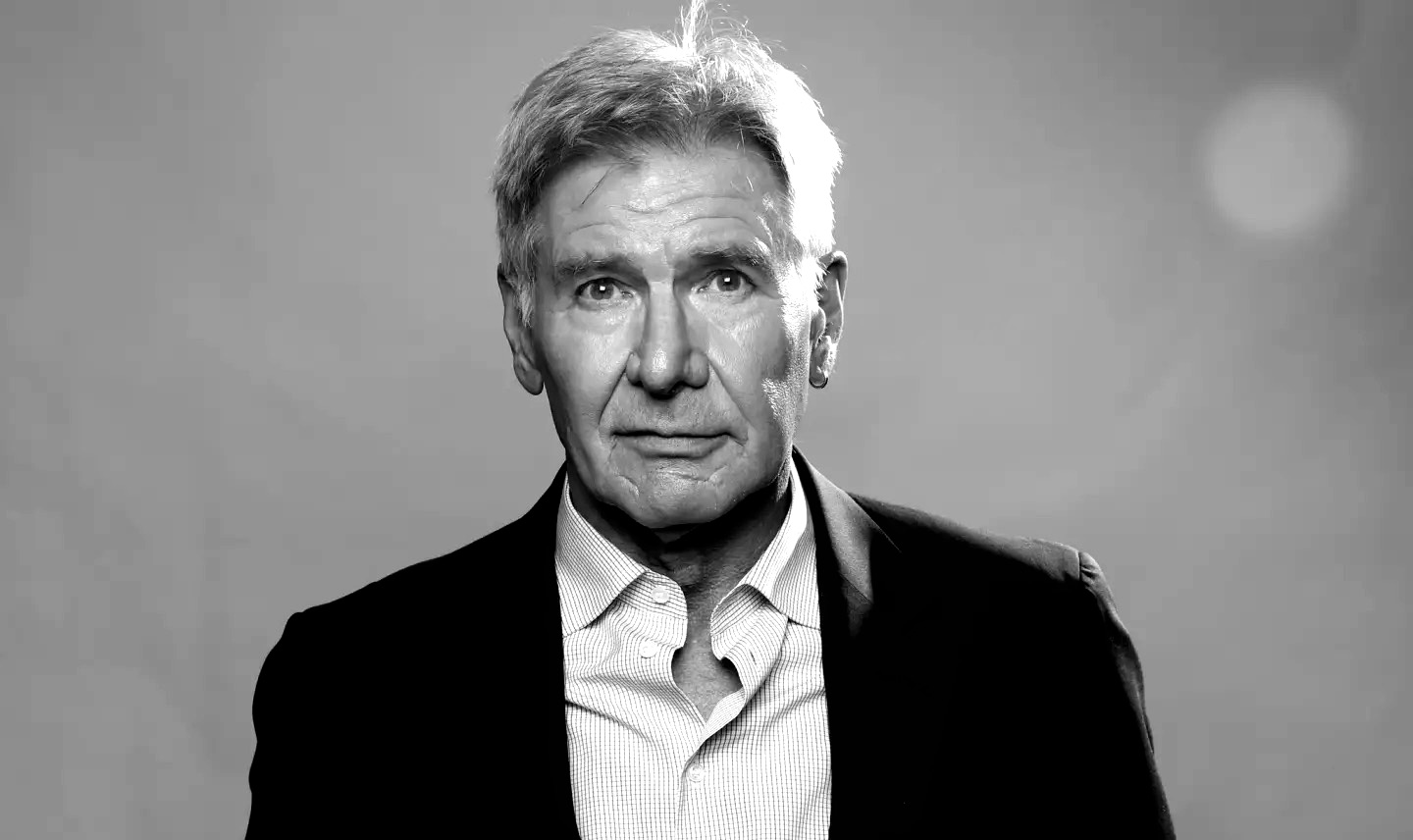
"I was a little lost... And then I found a company of people putting on plays. Storytellers. People I once thought were misfits and geeks turned out to be my people. I found a calling, a life in storytelling. An identity, in pretending to be other people"
by Harrison Ford on receiving the Life Achievement Award at the 32nd Annual Actor Awards
All publicity is good publicity, is it?…by Anthropic
Why it Matters
You cannot buy the kind of press Anthropic just earned. Sometimes the most powerful marketing campaign is a principled "no." When Anthropic went to the mat with the Department of Defense over mass surveillance and autonomous weapons, a PR rumble was inevitable. But the consumer response was immediate and unambiguous: Claude rocketed to #1 on the App Store, displacing the very competitors who rushed to fill the vacuum.
This story cuts to the core of a phrase that usually divides PR pros: "All publicity is good publicity." In this case, the publicity acted as a brand differentiator in a trust-scarce market. In the category of AI, Anthropic just surfaced an entirely new axis: ethics as a vibe asset. Funny enough, the irony is also sharp. OpenAI swooped in to take the vacated contract, but the optics were so radioactive that Sam Altman publicly distanced himself from the government's "supply chain risk" designation, calling the blacklisting an "extremely scary precedent." Even the winner didn't want to be seen winning this way.
So in this industry, trust isn't just a safety metric; it’s the primary competitive brand shield.
Food for Thought
For brand strategists, a public stand on a values-based issue can outperform any performance marketing campaign. Anthropic didn't just lose a contract; they gained a brand character. But here is what I think matters beyond publicity: the history of "protest downloads" is not encouraging. They generate heat, not retention.
In the long run, we are about to find out whether this was just a momentous PR stunt, or a real publicity opportunity that transferred into a very effective lower-funnel acquisition tool. The history of "protest downloads" isn't encouraging, they generate heat, not retention. Anthropic has the character; now it needs the stickiness.
Other Facts this week
🎬 Check how 'Sinners' swept the Actor Awards but still faces an uphill battle for Oscar glory.
🤝 Read why Netflix canceled a Trump White House meeting just hours before pulling out of the Warner Bros. bidding war.
🍺 Steal this: Heineken made a documentary about saving local pubs to connect brand values with real community impact.
🎙️ Quick takeaway: NPR redesigned its logo as a series of questions to reinforce its mission of curiosity-driven journalism.