Josh D'Amaro's Disney Crisis and Spotify's Latin America Bet: Two Brands Deciding What They Actually Stand For in 2026

The Upfront PR Battle in 2026 Is a Data Infrastructure Negotiation
Why it Matters
Oh, we enter the beautiful upfront season in the US. Alphabet, Meta, Amazon and Microsoft now capture 65% of total U.S. ad spend, according to MoffettNathanson. That figure is the description of a completed structural reordering of where commercial attention is actually traded.
The old upfront logic, buying against a program schedule and a demographic, is not how the largest advertisers will be operating this cycle, or have been for the past several ones. Programmatic, content integration, and authenticated reach are the actual products on offer. So what does that mean for us this year?
For PR teams, this reshapes the brief. Maybe it's a transition from "Reach" to "Outcome Infrastructure." Upfronts were always predominantly about eyeballs on cultural relevance. In 2026, the strategy has shifted to selling Technology as Narrative. Media relations strategy built around traditional TV gravity can be increasingly disconnected from where attention actually aggregates. For a PR team, this means the grand entrance of a new series is now inextricably linked to the ad-tech stack supporting it. If you aren't communicating the technical efficiency of your platform alongside the creative brilliance of your slate, you aren't speaking the language of 2026.
Food for Thought
The 2026 Upfronts signal a fundamental change in the PR job description. A successful campaign isn't measured just by the volume of press clippings, but by how well the PR narrative aligns with the Outcome Infrastructure of the platform. This has been truth for a while now.
But comms teams now have to manage the intersection of creative storytelling and ad-tech placement. The new requirement for PR is the ability to communicate cross-functional narratives: you aren't just pitching a slate and the ad opportunity around it, you are pitching an environment where technology, data, and storytelling coexist.
Are we all ready for a PR strategy where the show takes second place to a tech stack?
D'Amaro's First Test: The Future of PR for Disney
Why it Matters
Josh D'Amaro has been Disney's CEO for roughly six weeks. He came from parks and experiences, not media. His first institutional test is a political pressure campaign.
This is clearly not a simple talent relations problem. It is a brand integrity stress test at the highest possible stakes. Brands that move under political pressure without a principled framework do not appear neutral. They appear frightened. And a frightened Disney is a more damaged Disney than one that holds a defensible position. Or isn’t?
This is a PR tough one, because Systemic PR where the brand must defend its right to exist as a licensee under the First Amendment, might even transfer risk to something else.
For brand/PR strategists, D'Amaro's response to this moment will function as a public declaration of Disney's operating principles and how PR is going to be shaped during his tenure.
What he does next is not a PR decision. It is a values declaration IMHO.
Food for Thought
I'm really looking forward to seeing how Disney navigates this. Because in many instances they have leaned on "values-based" PR before. This challenge raises a vital question: in a hyper-polarized environment, is a dry, technical compliance narrative a more effective shield than a traditional cultural defense?
Could we also be witnessing the potential end of the Corporate Apology era? The only reason I raise it is this: a brand might have sought middle ground to appease stakeholders before, but in 2026, finding the middle ground is increasingly seen as a sign of structural weakness. Which takes me to my last point: if a network is defended solely as a system, it risks losing the human connection that makes its content valuable in the first place.
Quote of the Week
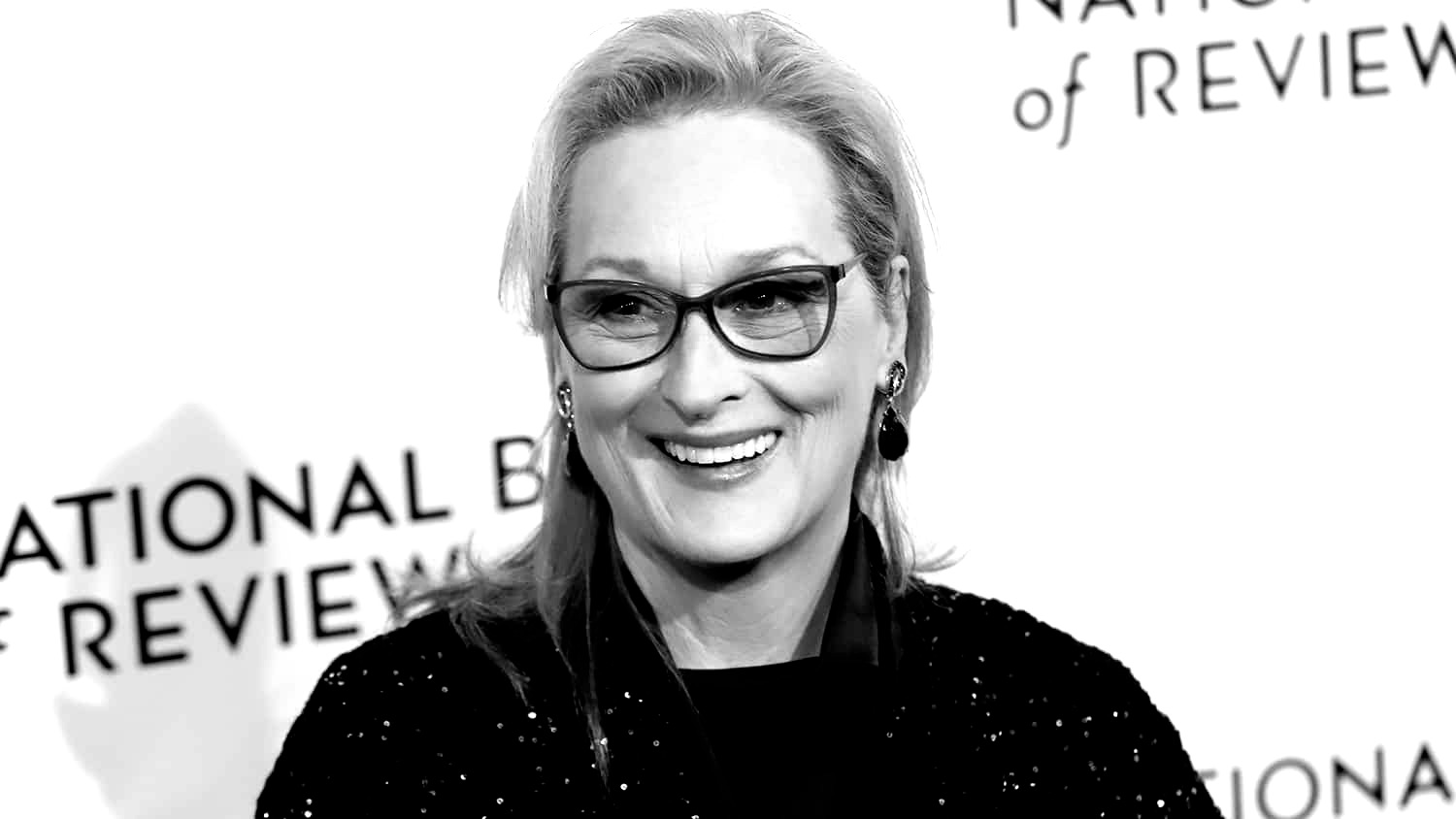
"The formula of happiness and success is just, being actually yourself, in the most vivid possible way you can."
by Meryl Streep
How Spotify is Archiving the Aura
Spotify is leveraging a sophisticated market entry lens to reframe its role from a passive audio utility to a high-touch cultural curator within the Latin American market. And I love it.
With "A/Presenta" hub, the platform is making a clear shift toward curated intellectual depth, and what that also means is being a cultural icon. This move bridges the gap between commercial streaming and high-art prestige.
This is what I would call a full play for in-culture resonance, one that prioritizes the technical and emotional labor of the artist over the mere consumption of the track. In a region where creative influence is a global export, Spotify isn't just hosting the hits. It is documenting the heritage, ensuring the platform is seen as an essential participant in the creative community rather than just a digital landlord.
Food for Thought
For years, the PR story for streaming has been "The Algorithm Knows You."
Spotify is now pivoting to a human-led narrative that addresses a growing fatigue with exactly that. This campaign is about more than music. It's about capturing the mindshare of the creative class (and beyond) by moving into a cultural zone where the audience craves the proceso, the technical and emotional labor behind the art.
In a world saturated with AI-driven content, this is a brilliant, immersive move. It recognizes that heritage and process are not bonus features. They are the core assets of a legacy brand.
And let me tell you what: This positions Spotify as a cultural archivist, and that is a different kind of retention and lifecycle strategy entirely.
I will always celebrate brands that understand that the most radical way to build connection in a machine-led era is to prioritize the messy, beautiful, and deeply human reality of how things are actually made.
Other Facts this week
📰 Check how brands can ride cultural moments without looking desperate—this guide breaks down the timing, tone, and tactics that actually work.
🎬 Read why care more about your story's specificity than its budget—plus the submission strategy that gets films noticed.
📊 Worth a look: Variety's summit surfaced what entertainment marketersare prioritizing now—from creator partnerships to the shift in how studios measure campaign success.