From García Márquez to Bridgerton: How Pre-Built Cultural Authority Could be Replacing Original IP in 2026

Beyond the Season: Bridgerton and the Architecture of Narrative Infrastructure
Why it Matters
The Bridgerton story is about how Netflix is transforming its approach to publicity, moving from marketing individual titles to managing permanent narrative infrastructure. Netflix CMO Marian Lee recently articulated a "Flexibility First" approach that recognizes fandom does not simply end when the credits roll. By treating culture not as a distribution channel but as an environment to be maintained, Netflix is stepping beyond the traditional, fragmented publicity cycle. Projects like the Netflix Houses in Dallas and Philadelphia, or the Gatorade integration within the Stranger Things universe, are not just campaign add-ons, they are physical and digital extensions of a world-building philosophy.
As Bridgerton enters its 2026 social season, Netflix is no longer just selling a show. It is deploying a "Regency Core" operating system that institutionalizes fandom - one where the IP serves as the foundation for long-term audience participation. The sequence is critical: Netflix prioritizes building fannable worlds first and constructs the marketing strategy second, recognizing that modern audiences don't simply engage with content but adopt it as a core component of their identity.
Food for Thought
Narrative infrastructure cannot be engineered from the outside in. The shows that build it like Stranger Things, Game of Thrones or Bridgerton all did something that feels almost accidental in retrospect: they gave audiences a world with enough texture to project themselves into, and then stepped back far enough to let that happen.
The tension is whether the future of entertainment lies in the art of the narrative or simply in providing the backdrop for the next fan activation. The more Netflix tries to replicate the Bridgerton or Stranger Things formula across its slate, the more it risks diluting what makes them work: their singularity, their specificity, their sense of a world built with intention rather than manufactured to fill a slot.
The question that remains is one of patience: does Netflix, as an organization, have the structural incentives to protect what it's built here, or will the pressure to find the next hit eventually cannibalize the durable universes it has already created? Doing both seems really hard.
The $111 Billion First Impression: Paramount’s Narrative Vacancy?
Why it Matters
David Ellison showed up to Warner Bros and apparently the room wasn't convinced. This is the opening act of the most consequential media merger in a decade. But the internal comments exposes the communications challenge at hand. The PR dimension here is critical: a brand story more relatable to a crisis communications failure hiding in plain sight.
And the real tension is best revealed through the unprompted comparison made by insiders that leaked reaction: when Netflix’s leadership visited the lot in December, the room felt a plan and a celebratory energy. In contrast, Ellison’s meeting was defined by compliance, caution, and a void where a vision should be. While both leaders were governed by the same pre-merger rules, one projected a story and the other projected a checklist.
And this gap between what employees needed to hear and what he was able to say is a trust vacuum that compounds with every passing week. Each day of ambiguity is a day of talent flight risk and narrative drift. In the media industry, the internal narrative is a product.
Food for Thought
The comparison to Sarandos may be setting an unfair benchmark. But hear me out: people believe in vision, ideas, people….you can’t "reinvention-pitch" your way out of layoff anxiety with a room full of people who have spent four years watching their culture be dismantled for "synergy". To Wall Street, "reinvention" sounds like growth, but to the architects of HBO and DC, it sounds like "Layoffs 2.0".
For me, the lesson for 2026 is clear: when the room is traumatized, "playing it safe" isn't a guardrail strategy, it’s a narrative surrender.
You don’t have a second chance at a good first impression.
Quote of the Week
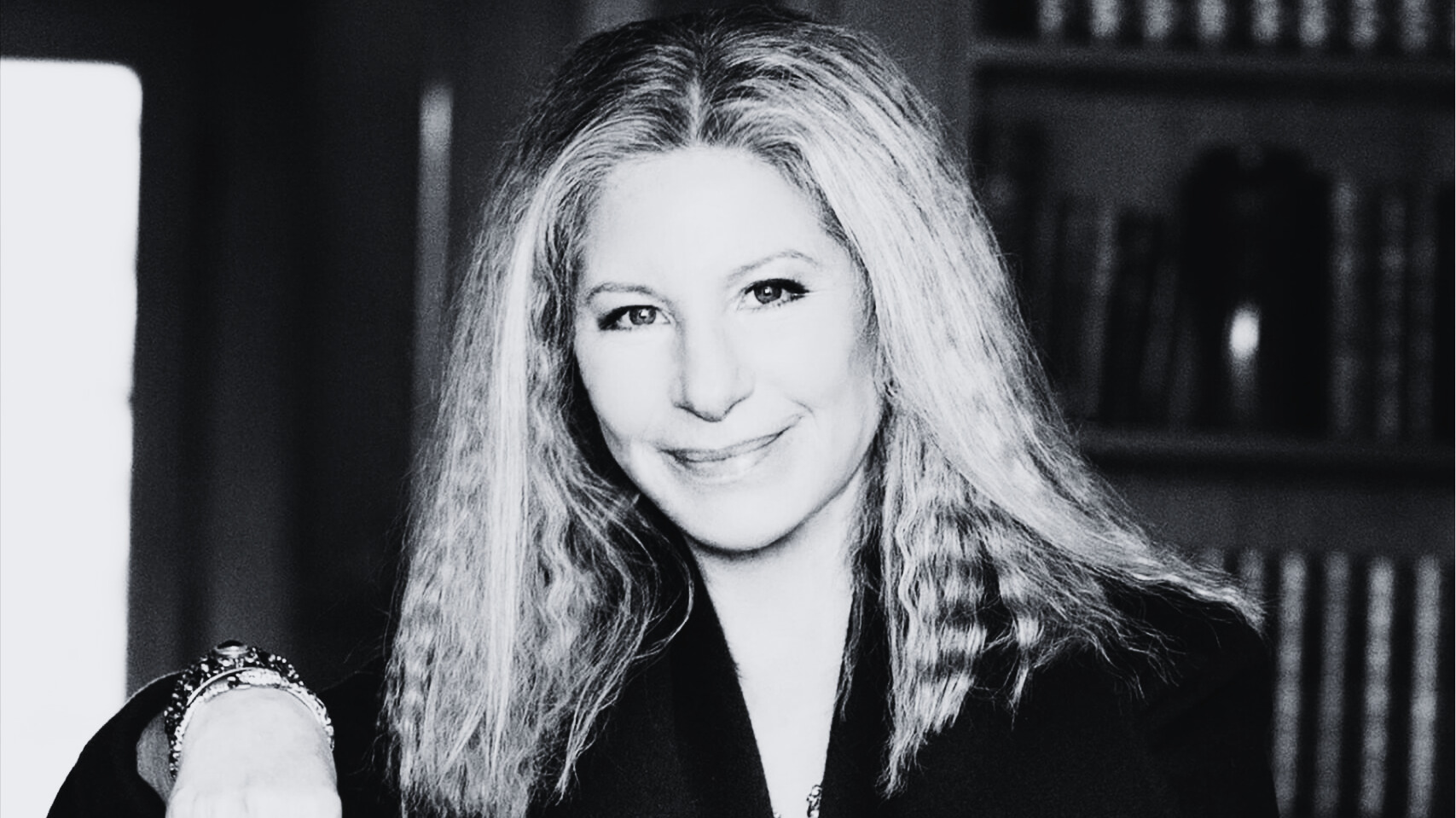
"You have got to discover you, what you do, and trust it."
by Barbara Streisand. Legendary singer/actress/director Barbra Streisand will be feted by the Cannes Film Festival this year with a honorary Palme d’Or for her life’s work.
La Literatura Manda: How Latin American Books Became Streaming's Most Bankable Bet
Why it Matters
Something significant is happening in the stream-o-sphere, and for once, it’s being written in Spanish. We are witnessing a high-conviction pivot toward the Latin American literary canon as a way to buy instant cultural soul. From the "impossible" adaptation of García Márquez’s One Hundred Years of Solitude to Esquivel’s Like Water for Chocolate, and now Prime Video’s big bet on Allende’s The House of the Spirits, the industry is admitting that original IP can't touch the built-in authority of these masterpieces. These aren’t just content plays; they are multigenerational contracts. These stories arrive pre-loaded with an emotional weight and a community identity that no $100 million marketing blitz can manufacture. In a world of fragmented attention, streamers are realizing that the highest-conversion bet isn't a new idea, it’s a story that millions of people already feel an obligation to protect.
And this is not a coincidence. It is a content strategy. Latin American literature is the flagship of that strategy.

Food for Thought
Here's the tension worth naming: the literary adaptations streaming platforms are racing to produce, almost universally, books that survived decades of Hollywood neglect precisely because they were left alone. These books built their power outside the commercial entertainment system.
Now that same system is betting billions on them. And the communities who grew up with these books are watching closely, because the adaptation question is inseparable from the representation question. The House of the Spirits was filmed in Chile, with a Latin American crew and cast, with Allende's blessing. That's the right architecture. But it still premiered at the Berlinale before reaching Santiago, Buenos Aires, or Miami. It still needed a European cultural gateway to be positioned as prestige.
That's the unresolved question underneath the entire trend. Why other content (like I mentioned Korean before) can do well regardless of this. Can streaming platforms adapt Latin American literature for Latin American audiences not just with their stories, but with their distribution logic and their definition of success? Because if the answer is still "it has to go through a European or US festival first," then the medium has changed but the power structure hasn't.
Other Facts this week
🏎️ See how Ford is turning its F1 return into a global brand accelerator. This is worth a look if you're syncing campaigns across markets.
👟 Read why Adidas Originals' top marketer says cultural cachet comes from "living in the tension" between heritage and hype.
🎤 Check how Disney is leveraging nostalgia at scale. The Hannah Montana 20th anniversary trailer just dropped, and the playbook is worth noting.
📊 Quick takeaway: stop copying the brand you admire and start building from your actual positioning.
📺 If you're allocating budgets, note this. YouTube now pulls in more ad revenue than Disney, NBC, Paramount, and Warner Bros. Discovery combined.