Cannes Went Purist. Disney Faked It. Lionsgate Sold a Monument. What 2026 Is So Far Teaching Us About Authenticity

Cannes 2026 Chose Authenticity Over Spectacle. That's Either Brave or a Warning Sign.
Why it Matters
Well, Cannes…The deficit of major Hollywood studio premieres this year reveals something of a critical essence truth about international prestige cinema. And I keep wondering: can Cannes sustain its own global gravity without the commercial anchoring of American blockbusters?
The festival attempted to assert its pure, auteur-first identity as the ultimate curator of the global creative mind. But that purist approach has triggered something closer to its own natural state. The festival felt less like a global cultural lightning rod and more like a quiet, fan of deeply moving, boundary-pushing global filmmaking moment.
Many have argued that the Hollywood machine isn't a pollutant. That it is, in fact, essential packaging. The kind that generates the collective film industry's "Aura of Presence" required to command global media oxygen.
But is it?
Food for Thought
Without the loud, mass-market blockbusters to provide a common baseline, the elite exclusivity of the festival reveals another reality.
In elite brand strategy, exclusivity only carries meaning when it exists in direct opposition to something common. But I will counter-argue that without the popcorn spectacles to push against, independent auteur cinema actually stands by its own measures. Not a contrast of things, but a prestige holding its own.
Without the crushing weight of global studio marketing machines, Cannes has doubled down on its original DNA: acting as a pure showcase for brilliant international auteur cinema.
And I think is a massive vibe shift. Yes, and it’s fine. Because being authentic also says something important. To leave aside, for once, the imperatives of the Hollywood-only attraction and showcase a different kind of Cannes. Where movies are exactly that, movies. Not milking cows.
The Mandalorian PR Lesson: Why Disney's "Spontaneous" Pedro Pascal Moment Exposed a Cultural Deficit
Why it Matters
The viral backlash surrounding Disney's "spontaneous" video of Pedro Pascal surprising Star Wars fans at Disneyland is exactly what happens when engineered authenticity hits its limits.
What do you do when you're Disney and you attempt to manufacture an organic cultural moment to pump algorithmic excitement for an upcoming film? In this case, The Mandalorian and Grogu paid the price.
People are absolutely tired of masked reality. And Disney's defense on a technicality, where the social media caption carefully used the phrase "Star Wars fans" rather than "random tourists," only fueled the audience's immediate digital anger at the corporate apparatus behind the curtain.
By clearing out the attraction, bypassing everyday paying guests, and filling the cockpit with vetted digital creators, Disney broke the unwritten contract of fandom wonder. It also exposes a profound structural challenge for modern marketing: in 2026, audiences are so literate in digital staging that attempting to mimic organic internet culture to mask studio anxiety no longer protects the brand. It alienates the core community.
Food for Thought
What keeps me thinking is… Why Disney?
In reality, their decision to use lifestyle influencers as a "buffer zone" to guarantee a clean, brand-safe piece of content actually signals a massive structural deficit in understanding how culture actually works. Which is surprising, coming from Disney.
And whether you like it or not, this creates a profound authenticity crisis for modern PR. True authenticity cannot be optimized, budgeted, or insulated. It requires a brand to accept the vulnerability of a real, unscripted human connection. At the end of the day, that's what people want to see.
Audiences in 2026 possess an incredibly sophisticated immune response to engineered spontaneity. They can immediately sense when "wonder" has been sanitized for KPIs.
So, fellow strategists, listen up: know your brand, with its good things and its undeniable flaws. Just don't try to fake the raw, unpolished grit of a genuine (fan) interaction inside a sterile influencer bubble, just for a few more likes. Really… just don’t.
Quote of the Week
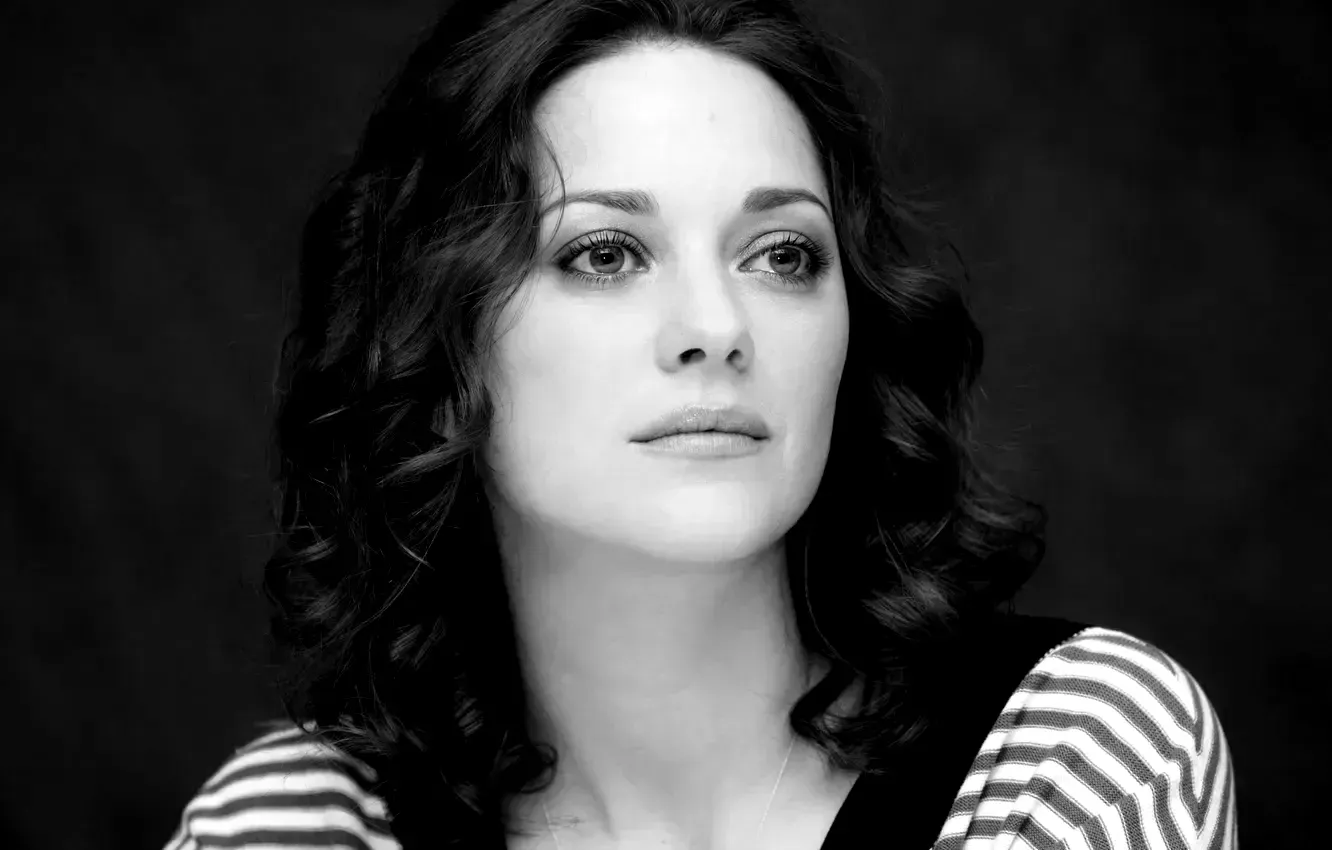
"How I choose to be part of a project, is when I feel that; that I never explored that side of humanity before."
by Marion Cotillard talking to Deadline on return to acting and Cannes.
Lionsgate's Michael Jackson Biopic Campaign Didn't Sell the Film. It Sold the Monument.
Why it Matters
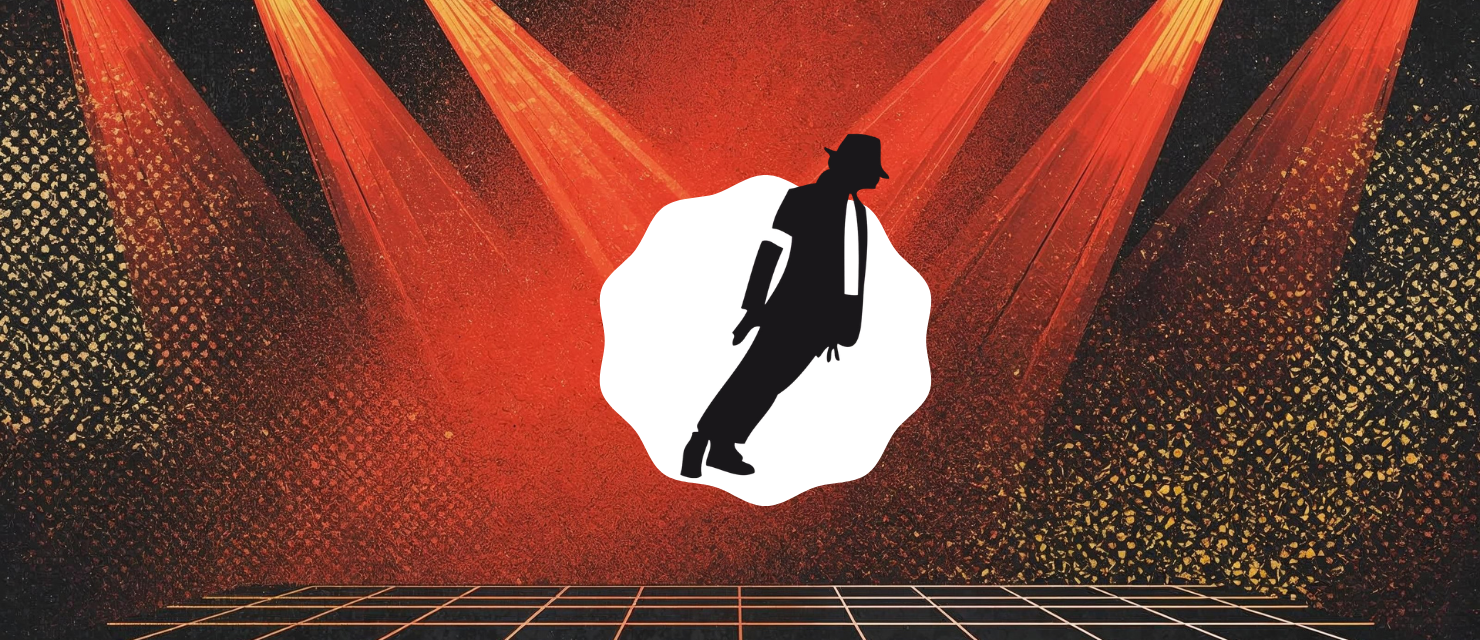
Lionsgate's promotional campaign for the Michael Jackson biopic, Michael, represents a moment for how legacy IP is managed in a fragmented landscape. Facing severe creative and structural turbulence, the studio deployed a marketing creature that functioned as collective armor.
Instead of relying on a traditional, passive trailer-centered cycle that would invite heavy media cross-examination, Lionsgate built a high-touch, participatory apparatus. By transforming outdoor advertisements into immersive street-level block parties, complete with live DJ sets on branded trucks, interactive billboards, Snapchat lenses, partnerships with marching bands at historically Black colleges and universities, and gamified Spotify "era" pairings, the studio executed a brilliant reality shift. They reframed a commercial movie rollout as a global, grassroots cultural tribute.
This is what I'd call narrative immersion at its most sophisticated. But beyond that, the campaign team did something extraordinary, and very Gen Z. They gave us a community.
Food for Thought
This campaign understood a profound nuance: while a biopic must inevitably grapple with the heavy, messy, contested reality of a human life, a global marketing campaign is under no such obligation. The PR team didn't sell the biography of Michael. They sold the monument.
And that's a cultural element many forget in these kinds of promotional moments. We focus so much on the humanity of people that we forget what they mean. Because this campaign recognized that the audience's deepest connection isn't to a timeline of facts, but to the shared cultural heritage of the art itself, it created an emotional entanglement that made the whole thing culturally resonant and fluid.
By resisting the urge to be defensive or explanatory, and choosing instead to build an infrastructure of pure celebration, Lionsgate proved something important: you actually can completely separate the product, a complicated film, from the phenomenon, the music, and allow the public to participate in a transcendent communal space without the friction of a debate.
Other Facts this week
📊 Check how Gartner's 2026 comms predictions are already reshaping internal strategy at Fortune 500s
🎯 See what X's new Creator Connect ad program reveals about platform monetization in the post-blue-check era
📺 Worth a look — why Vertical Drama's breakout success is now a messy fight over who owns distribution rights
🎬 Quick takeaways: Jordan Firstman dominated Cannes 2026 while Hollywood execs mostly stayed home