The Architecture of Permanence: Netflix, Outlander, and the Rise of Durable Brands

The Netflix Effect
Why it Matters
We often wonder how much impact brands actually create in the ecosystems they operate in. Netflix just published their answer.
The 2026 Netflix Effect report reads less like a media analysis and more like a statement of accomplishment. The data makes a specific claim: for every dollar invested in local production, from South Korea to Spain, Netflix isn't just financing a series. It's embedding itself into the economic and cultural infrastructure of local nations. At this scale, the platform is no longer perceived as a foreign actor. It's being treated as a component of domestic economic stability.
For PR and strategy professionals, this is one of the most instructive and complex examples of what measuring brand impact can actually look like at a systemic and infrastructure level.

Food for Thought
Now here's the more interesting read. Ted Sarandos's framing, that Netflix had to "start deeply local" to go global, is a deliberate piece of positioning. It reframes the global algorithm as a servant of the local creator, retroactively solving the friction point between platform centrality and cultural authenticity. The report itself functions as a PR instrument: it anchors Netflix in the role of local champion across 50 markets simultaneously.
But the risk is built into the argument as well? Beyond a regulatory play, we could also read that the gradual replacement of unpolished, specific local creative voices with a platform-managed global standard, is a problem. But at the end of the day, what I applaud of this, is the study crosses earned, owened and paid and whatever other channel there is to prove cultural investment. That in itself deserves my admiration.
Outlander Is Not Saying Goodbye. It's Saying Remember Who Built This.
Why it Matters
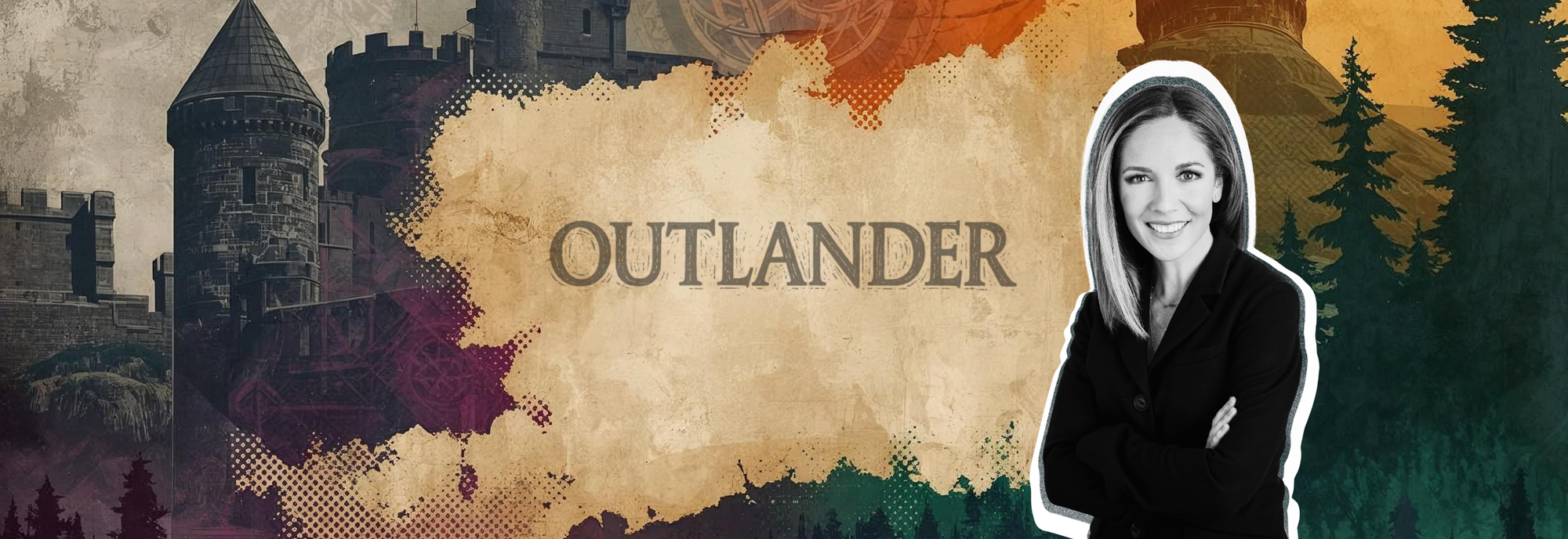
The other day I read Alison Hoffman's Outlander retrospective, ahead of the series finale this week, and it reads less like a farewell and more like a brand statement.
Let me tell you what caught my attention: by tracing the show's 12-year journey, Hoffman is credentialing Starz as the architect of a specific kind of prestige. High-investment, female-driven narrative built before that positioning became crowded. The claim is quiet but strong and purposeful. A show narrative that was handcrafted, intentional, irreplaceable by design. It gives Starz a distinctly HBO-like aura, which, in 2026, is not a small thing to pull off.
The strategic logic underneath, yes business, is about subscriber retention. A series finale is a natural exit point for audiences. But the argument Hoffman is making is that Outlander isn't ending. It's completing. The fan community built around it doesn't dissolve. It graduates into something longer and more durable.
Food for Thought
Whether that holds depends on what Starz actually offers that community next. But as a piece of communications strategy, the intent is clear and the execution is confident.
Here's what I find interesting though. The narrative vacuum after a decade-long flagship isn't being left empty. It's being converted into a ramp: not "Outlander was great," but "Starz is the reason Outlander was great."
And for me, that's what a smart sunset actually looks like. It's not just about honoring what was. It's about convincing the audience that the care behind it doesn't leave when the show does.
Quote of the Week
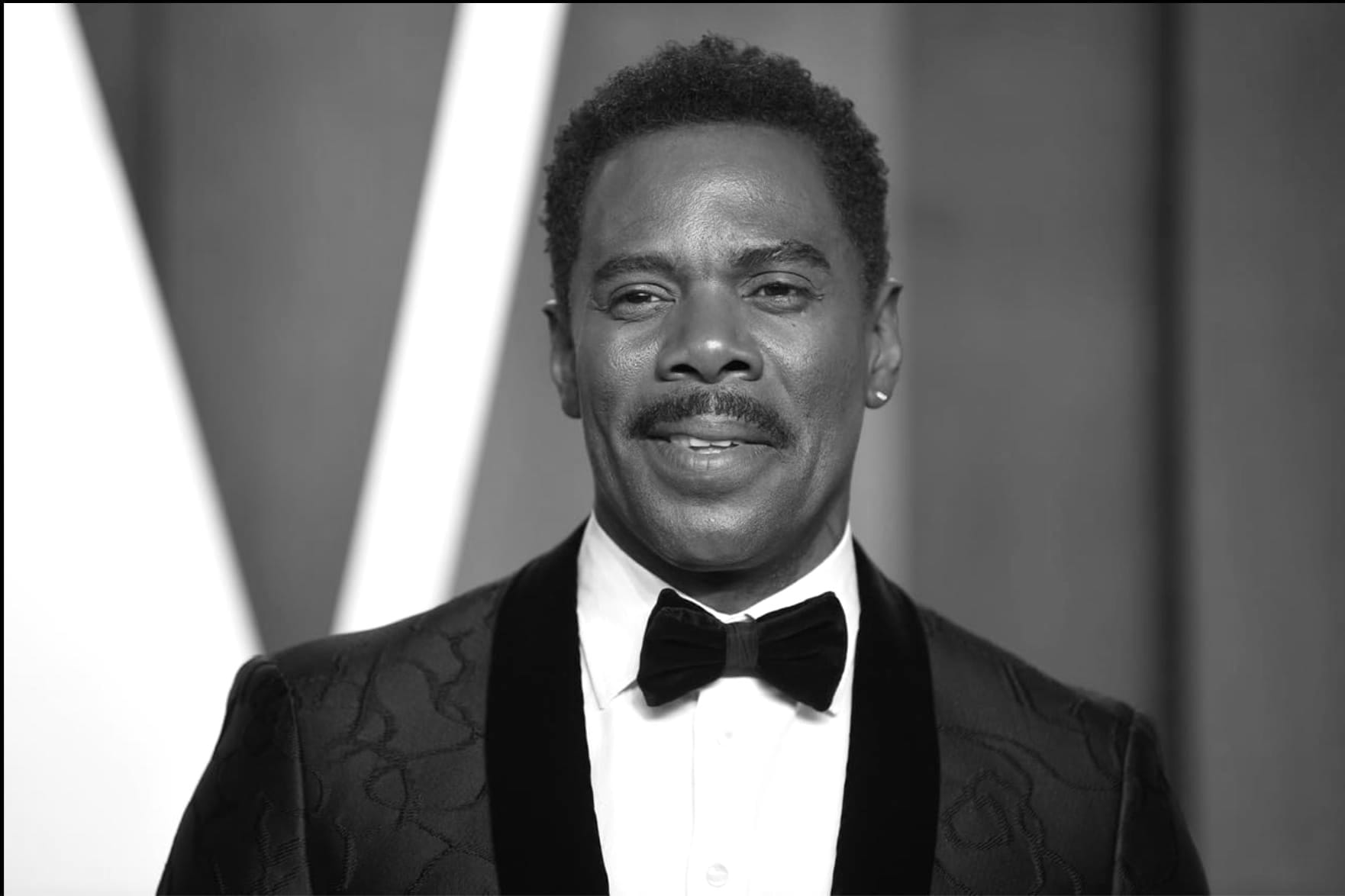
"Sometimes you have to move the needle yourself before the industry moves it for you."
by Coleman Domingo while talking to The Hollywood Reporter on his “about time” moment in the spot.
Somos Insoportables. And Fernet Knew Exactly What to Do With That.
Why it Matters
We often talk about how brands make culture thrive. Look no further than "Somos Insoportables" (We Are Unbearable), Fernet Branca's latest campaign in Argentina, which is one of the most confident pieces of brand storytelling I've seen in a while. And look, I'm totally biased here because I'm from Argentina, so take my objectivity with a pinch of sea salt and a heavy pour of Fernet. But this is genuinely brilliant.
Since Argentina's 2022 World Cup win and everything that followed, the football (soccer) global narrative has quietly shifted: Argentinians have become, in the eyes of the world, a little insufferable. Fernet Branca didn't run from that. They ran straight at it. The campaign takes that external critique and reframes it as something to own. Not defensively. Proudly.
The creative logic is elegant yet humorous. Just as the rest of the world finds Argentine fans too much to handle, they also find Fernet too bitter to understand. The campaign casts international streamers actively rooting for Argentina to lose, just to make the noise stop. That single move sidesteps the self-congratulatory trap entirely. The validation comes from the outside, which makes it land harder.
I know I’m dissecting too much. But in 2026, where every brand is chasing likability, Fernet Branca is making the opposite bet: that being unbearable is a more durable driver of loyalty than being loved. Based on the cultural footprint this campaign is already generating, they might be right.

Food for Thought
One thing is true. We are always taught not to lean into stereotyping. But if you ever do, Branca just proved how to colonize it. And I can tell you every Argentine can relate to this spot, because it captures two very specific things about the country at once, the football obsession and the Fernet ritual, and holds them together without flinching.
So if the world is going to caricature your audience anyway, you might as well be the one drawing the caricature.
The real question though: can this self-roasting model work for corporate entities, or is it a luxury only available to brands with deep, visceral cultural roots?
Other Facts this week
🤖 OpenAI just launched a consulting arm valued at $14B — here's what it means for enterprises buying into AI strategy.
🔵 See what Blue Dot Fever tells us about millennial nostalgia and how pop stars are riding it.
📺 Quick takeaway: Globo's betting on telenovelas and microdramas for LA Screenings 2026.(in Spanish)
💼 If you're job hunting in comms right now, read why the market's brutal — and how to actually stand out.